


The Union Cabinet in January gave its nod to the 8th Pay Commission. The then UPA government in 2014 formed the 7th Pay Commission, and the NDA government implemented its recommendations in 2016.
Subhash Chandra Garg, the former finance secretary of India, recently told News24 in an exclusive interview that the government may approve the fitment factor of 1.92-2.08 under the next Pay Commission. However, Shiv Gopal Mishra, secretary staff side NC–JCM (National Council – Joint Consultative Machinery) told News24, “I think it (fitment factor) should be 2.86. Staff side of NC–JCM and other experts are working on it.”
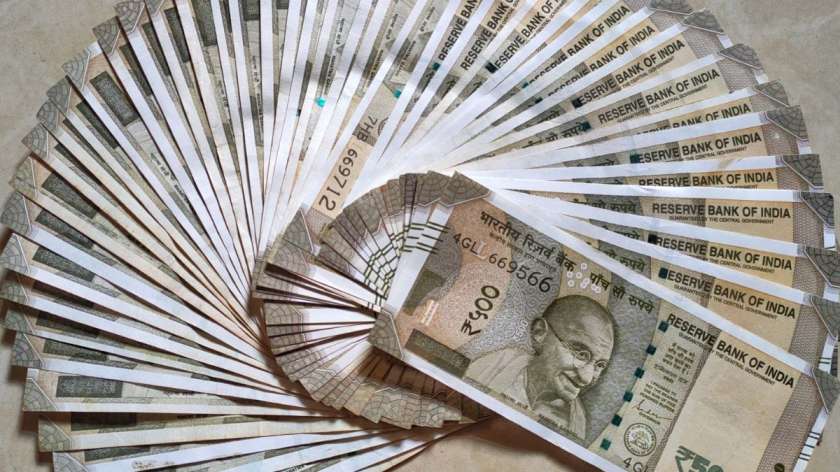
Government employees are hopeful of a massive 100%+ hike, but the actual hike will be much lesser than what they expect. Notably, 2nd Pay Commission offered a 14.2% actual salary hike, 3rd Pay Commission offered a 20.6% salary hike, 4th Pay Commission offered a 27.6% salary hike. Moreover, 5th Pay Commission offered a 31% salary hike, and 6th Pay Commission offered a 54% salary hike. Meanwhile, latest 7th Pay Commission offered a 14.3% actual salary hike.
8th Pay Commission: What Will Be The Actual Salary Hike?
Garg said, “Currently, the DA is 53% (as of July 1, 2024). To calculate the DA till January 1, 2026, two more instalments need to be added: one due on January 1, 2025, and another on July 1, 2025. Assuming a 7% increase, the DA for January 1, 2026, would be approximately 60%.” “Usually, pay commissions have recommended increases ranging from 15% to 30%. The previous pay commission recommended an increase of around 14-15%,” he added.
Garg predicted that the government may approve the hike of 20-30% on the current salary, which includes the basic pay and dearness allowance (DA).
Calculation
Assuming the DA is 60% at the time of the 8th Pay Commission’s implementation.
The basic minimum pay under 7th Pay Commission for central government employees is Rs 18,000 per month.
Rs 18,000 + DA (at the time when new Pay Commission is implemented), this makes the minimum pay (basic + DA) of central government employees at Rs 28,800, when the new Pay Commission is implemented.
Expected new minimum basic salary under the 8th Pay Commission
At 1.92 fitment: Rs 34,560 (a 20% actual increase on current salary, which includes basic + DA).
At 2.08 fitment: Rs 37,440 (a 30% actual increase on current salary, which includes basic + DA).
Moreover, at 2.86 fitment: Rs 51,480 (nearly 80% actual increase on current salary, which includes basic + DA).
However, if we don’t factor in DA, the increase at 1.92 fitment factor will be 92%, it will be 108% at the fitment factor of 2.08 and 186% at the fitment factor of 2.86. Notably, the increase in real world could range between 20-80%. Most likely it will be around 20-30%.
ALSO READ: 8th Pay Commission: Stakeholder Insights – Inputs Sought From Home, Finance And Defence Ministries