


Nepal has been witnessing a series of political twists since September 8 as thousands of young people took to the streets of the capital to demand the government lift the sudden social media ban and curb growing corruption.
Popular platforms such as Facebook, YouTube and X (formerly Twitter) have been down since Friday after the government blocked 26 unregistered sites. The move has left people angry and confused, especially in a country where Instagram alone has millions of active users who depend on these apps for news, entertainment and small businesses.
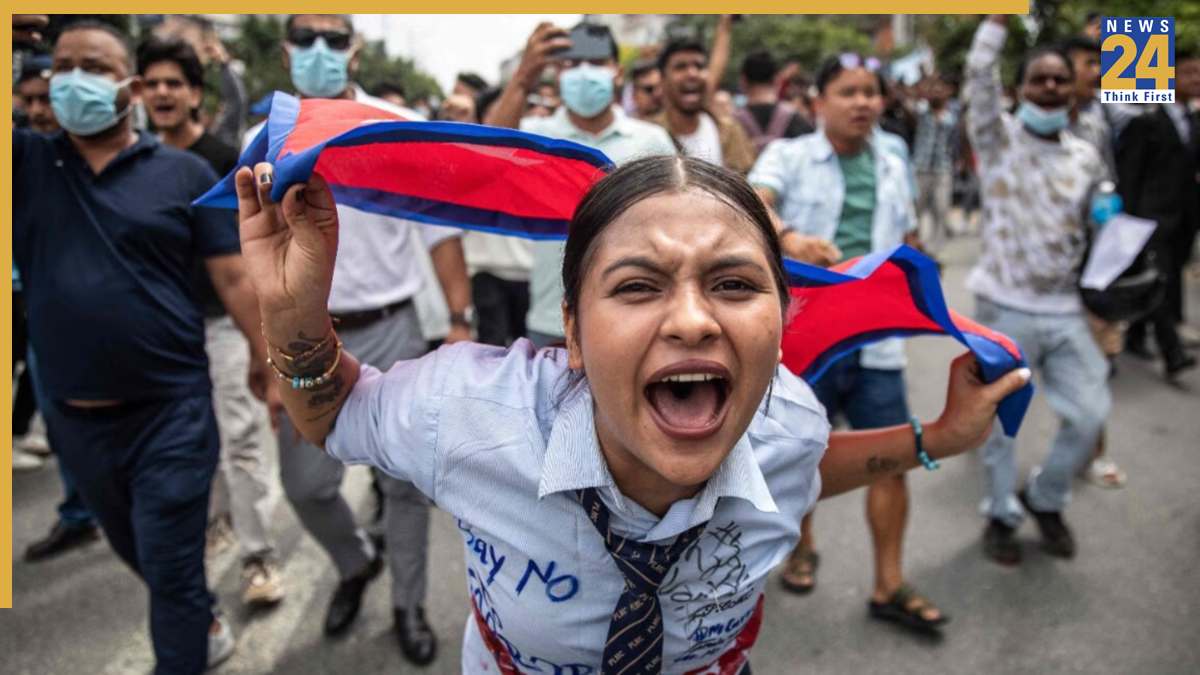
The protesters, mostly Generation Z, began the rally by waving the national flag and singing the national anthem, after which they raised their voice against censorship and corruption. The protests have given rise to an important question: Who exactly are Generation Z?
Who Are Gen Z?
Gen Z, also known as “Zoomers,” are people born between the mid 1990s and the early 2010s. They come after Millennials and before Generation Alpha. Unlike previous generations, this generation grew up surrounded by the internet, smartphones, and social media, making them the first true “digital native” generation.
Across the world, Gen Z is seen as more socially aware, outspoken, and politically active. They prioritize fairness and accountability. Research also shows that this generation avoid traditional habits such as alcohol, is cautious about mental health, and is quick to adopt new digital trends.
What Happened In Nepal On Monday? What Caused Gen Z Uprising?
The rage spilled onto the streets of Kathmandu after the government banned social media platforms including Facebook, Instagram, WhatsApp, YouTube, and X a move widely condemned by rights groups. The protests have already claimed at least 19 lives, with over 300 reported injured. Led largely by Gen Z, aged between 13 and 28, the unrest has become the worst in Nepal’s history and now threatens to destabilise yet another government.