


The recent shooting incident in Washington, D.C., involving 29-year-old Afghan national Rahmanullah (Rashmanullah) Lakanwal, has refocused national attention on the U.S. government’s Afghan resettlement program, Operation Allies Welcome (OAW). Lakanwal, who was wounded and taken into custody after being shot by other guardsmen, reportedly entered the United States through the same program, according to CBS News and law-enforcement sources quoted by the New York Post.
Shooter entered U.S. under Afghan resettlement program
Sources revealed that Lakanwal was admitted into the United States under Operation Allies Welcome, the Biden administration’s large-scale initiative to resettle Afghans evacuated during the 2021 withdrawal from Afghanistan. He was later relocated to Bellingham, Washington, before eventually being present in Washington, D.C., at the time of the shooting.
The case has stirred renewed debate among lawmakers and the public, with critics questioning whether the rushed evacuation and resettlement processes allowed individuals to enter the country without adequate vetting.
What is Operation Allies Welcome?
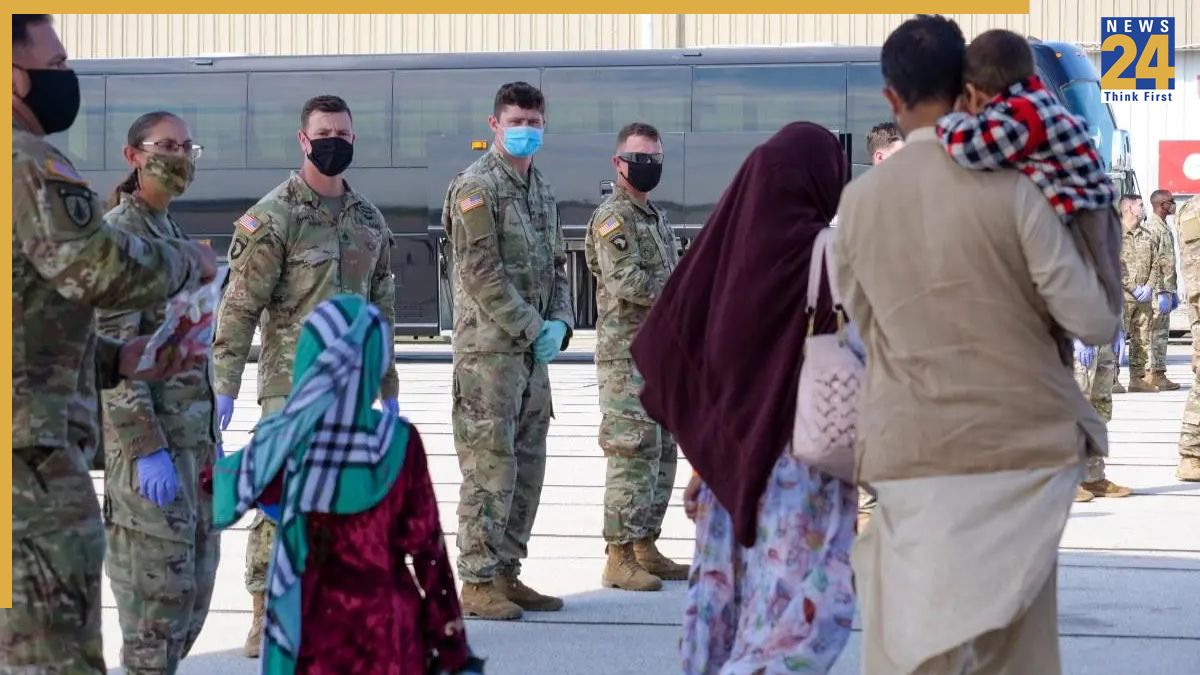
Launched on August 29, 2021, by the Department of Homeland Security (DHS), Operation Allies Welcome was created to coordinate the resettlement of Afghans who fled their country after the Taliban takeover. The program focused on providing a safe haven for ‘vulnerable Afghans,’ including U.S. military interpreters, embassy staff and others who had supported American operations during two decades of conflict.
To mitigate security risks, the U.S. government conducted biometric and biographic screenings involving multiple federal agencies: DHS, the FBI, the intelligence community and the Department of Defense. Despite these measures, tens of thousands of evacuees entered the U.S. under humanitarian parole or related visa categories at a pace described as unprecedented.
Recent assessments, including one by the DOJ’s Office of Inspector General, acknowledged that the rapid evacuation timeline made comprehensive vetting challenging, raising concerns that individuals with harmful intent could slip through.
The arrest of Lakanwal has therefore reignited concerns about national security gaps and the effectiveness of OAW’s screening procedures, an issue now at the center of fresh political scrutiny.