

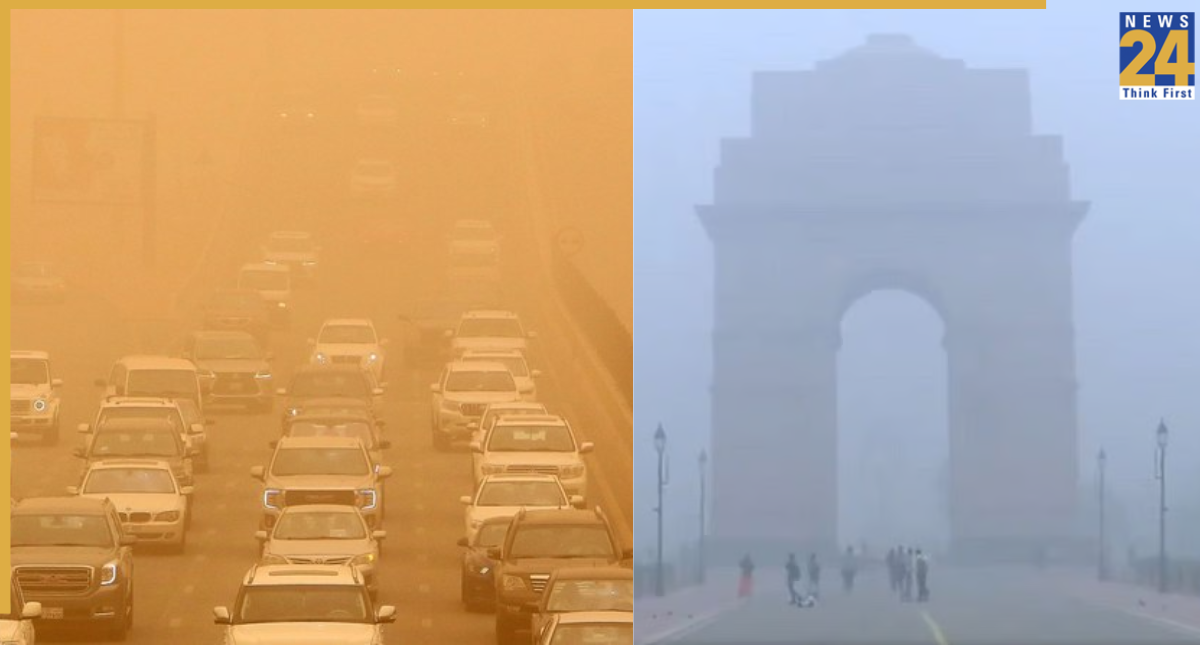


Delhi-NCR has been facing dangerously high levels of air pollution in recent days. For the first 15 days of November, the city’s air quality index (AQI) has consistently remained in the “very poor” category. According to the Central Pollution Control Board (CPCB) and reports from the news agency PTI, Saturday morning saw the city record an average AQI of 332. On Friday, it was 369, Thursday 377, and Wednesday 327. Some areas, like Dwarka Sector-8, reported as high as 414. Forecasts indicate that pollution levels are likely to remain “very poor” in the coming week, despite ongoing efforts to improve air quality.
Here’s How To Measure AQI Levels
CPCB’s standards provide a clear framework to understand AQI:
- 0–50: Good
- 51–100: Satisfactory
- 101–200: Moderate
- 201–300: Poor
- 301–400: Very Poor
- 401–500: Severe
Delhi’s current readings clearly place it in the “very poor” category, which is hazardous for sensitive groups, including children, the elderly, and those with respiratory issues.
Air Quality in Saudi Arabia
While India struggles with high pollution, Saudi Arabia also faces its own environmental challenges. According to IQAir, the Kingdom experiences a combination of natural and human-made pollution. Dust storms are frequent due to its desert geography, while urbanization, industrial emissions, and heavy reliance on fossil fuels add to air quality issues.
Major Sources of Pollution in Saudi Arabia
Saudi Arabia’s air pollution is driven by several factors:
- Frequent desert dust storms increase particulate matter in the air.
- Rapid urbanization, a high number of vehicles, and industrial activity contribute significantly.
- Heavy domestic oil consumption and subsidized energy usage also lead to elevated pollution levels.
Riyadh Current AQI
Checking AQI data for Riyadh shows that the situation is relatively better than Delhi but still concerning. On Saturday, Riyadh’s AQI was recorded at 122. These readings fall in the “moderate” category, indicating that while air pollution is present, it is not as severe as in Delhi.
Though Delhi remains in critical condition, Saudi Arabia’s air quality highlights that even desert cities are not immune to pollution challenges caused by a combination of natural and human factors.