

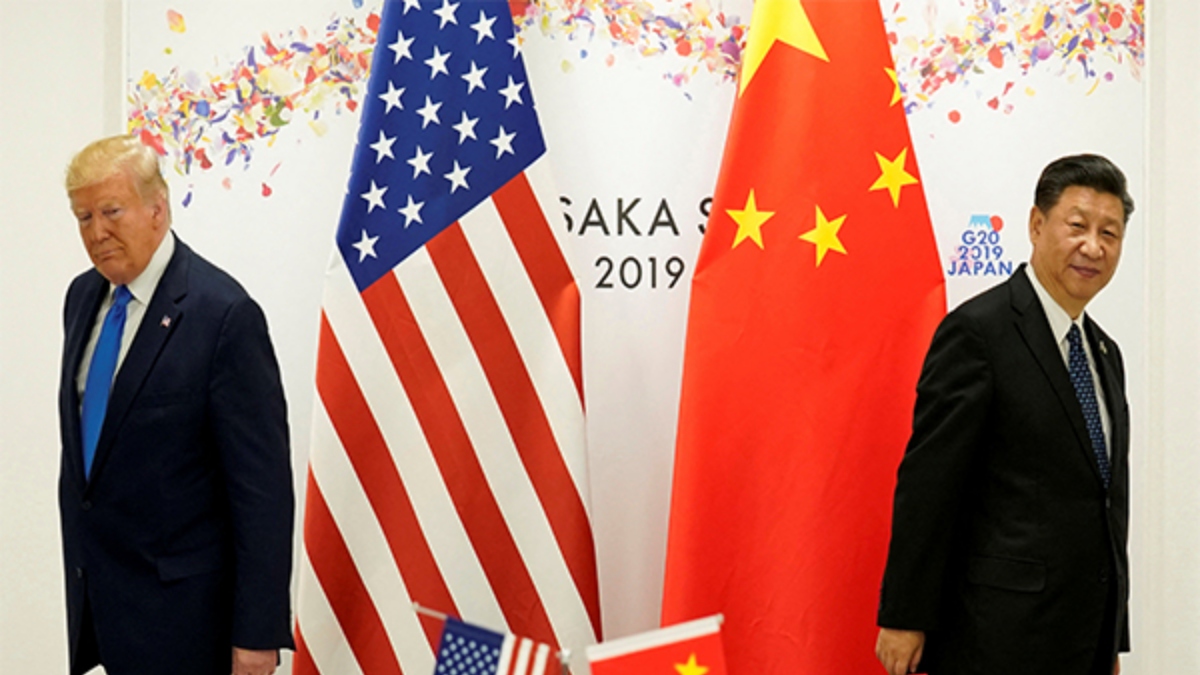


China’s retaliatory actions have resulted in a tariff as high as 245 per cent on imports to the United States, according to a fact sheet published by the White House. Before those revisions, the United States was imposing a 145 per cent tariff on Chinese exports to the United States.
The US President Donald Trump, had imposed reciprocal tariffs on dozens of countries where the United States had a trade deficit. Later, President Trump chose to suspend the tariffs for 90 days when many countries began dialogue with the US administration in pursuit of a trade deal.
“More than 75 countries have already reached out to discuss new trade deals,” the White House fact sheet said. “As a result, the individualised higher tariffs are currently paused amid these discussions, except for China, which retaliated,” the fact sheet added.
For the time being, a baseline tariff of 10 per cent would be applicable on US imports. President Trump imposed a 10 per cent tariff on all countries and individualised reciprocal higher tariffs on nations with which the US has the largest trade deficits in order to level the playing field and protect America’s national security.
President Trump unveiled the “Fair and Reciprocal Plan” on trade to restore fairness in U.S. trade relationships and counter non-reciprocal trade agreements. Trump’s reciprocal tariffs have led to a broad-based fall in financial markets globally, with markets plunging in Asia and Europe.
The reciprocal tariffs have set off a sell-off in equities globally, and the US itself is no exception. Investors fear that the moves concerning global trade may raise inflation, risking economic growth. Since assuming office for his second term, President Trump has reiterated his stance on tariff reciprocity, emphasising that the United States will match tariffs imposed by other countries, including India, to ensure fair trade.