

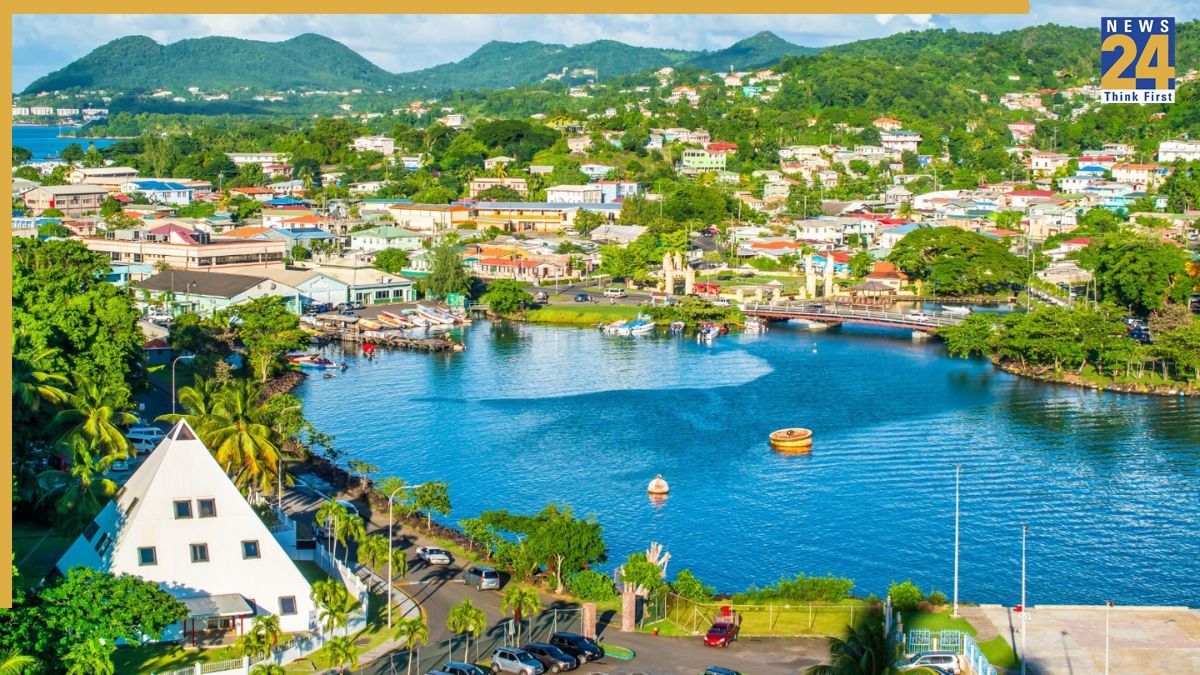


Nestled in the eastern Caribbean Sea, Saint Lucia is the only sovereign nation in the world named after a woman. The island is named in honour of Saint Lucy of Syracuse, a Christian saint who lived in the early 4th century and is remembered for her faith and martyrdom.
The story goes that French sailors were shipwrecked on the island on December 13, which happens to be Saint Lucy’s feast day. To honour her, they named the island ‘Sainte Lucie’, which later became Saint Lucia. Before European contact, the island had indigenous names, ‘Louanalao’ by the Arawaks, meaning ‘Island of the Iguanas,’ and ‘Hewanorra’ by the Caribs, with a similar meaning.
Over the centuries, Saint Lucia changed hands between colonial powers, but its unique name endured, becoming part of the island’s proud identity. Today, it is celebrated not just for its tropical beauty but also for holding the rare distinction of being a country named after a woman.
From myth to modern-day island
Saint Lucia is part of the Windward Islands in the Lesser Antilles and has developed into an independent country that values its rich culture, history and natural beauty. Unlike most countries, which are named after geographic features, tribes or male figures, Saint Lucia honours a female saint in its very identity.
This rare distinction makes the country stand out globally. It is a symbol of how history, faith and chance can combine to give a nation a name that reflects respect for a woman; something almost unheard of in the world of country names.
Saint Lucia’s story reminds us that sometimes, a single name can carry centuries of history, legend and honour, making it one of the most unique countries on the planet.