
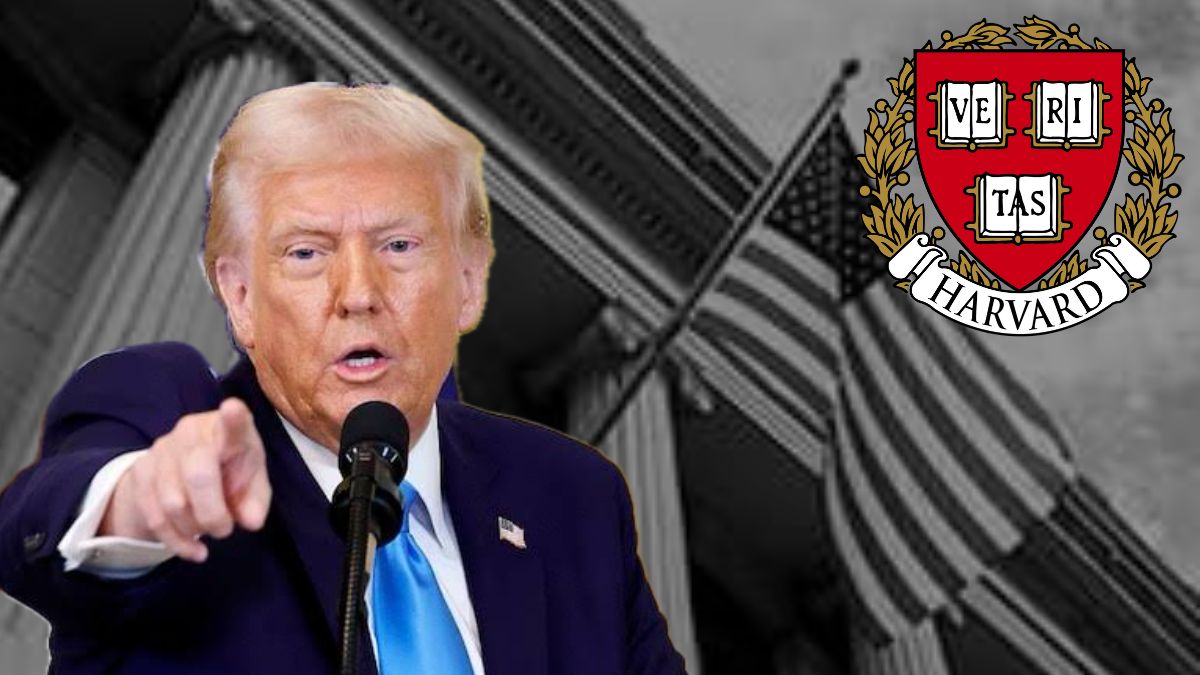


In a major development, Harvard University has attained a stay on the restrictive policy imposed by the Trump administration. This decision came after a period of ongoing tensions between the government and the esteemed institution, notably following a previous decision by the Trump administration to put a stop to the notable portion of funding that was given to Harvard.
The relationship between the Trump administration and Harvard has been characterized by consistent friction and ideological clashes. Over recent years, the administration has taken an increasingly critical stance towards what it perceives as overly liberal academic institutions, often singling out Harvard for its policies and practices. This animosity has manifested in various forms, from public rebukes and direct calls for policy changes to investigations into the university’s endowments and its handling of specific issues. There have been contentious debates over free speech on campus, the university’s vast financial resources, and its role in national discourse, all of which contributed to a strained and often confrontational dynamic between the federal government and one of America’s most prominent educational establishments.
The recent controversy originated from an order issued by Homeland Security that directly influenced Harvard’s ability to admit foreign students. The organisation had demanded access to sensitive information related to international students, a request that Harvard was not willing to comply with. This stance from Homeland Security effectively prohibited Harvard from enrolling any foreign students.
The immediate after-effects of this order were widespread uncertainty, distress, and trouble among a large number of students. The futures of all the international students, including many from India, who wanted to study at Harvard, were left in limbo. The directive was so hard and fast that even students who were already enrolled and pursuing their studies at Harvard were reportedly instructed to leave the university. This created an atmosphere of panic and disruption for all those people who had invested their academic aspirations in the institution.
However, recently, a ray of hope has emerged from Massachusetts. A court in the state intervened and issued a temporary injunction, effectively putting a halt to Homeland Security’s contentious order. This crucial judicial intervention means that Harvard University will be permitted to admit foreign students for the current academic session, providing much-needed relief and clarity for both the university and its international student body. This ruling marks an important, albeit temporary, setback for the Trump administration’s immigration policies and a relief for academic freedom and international education at Harvard.