

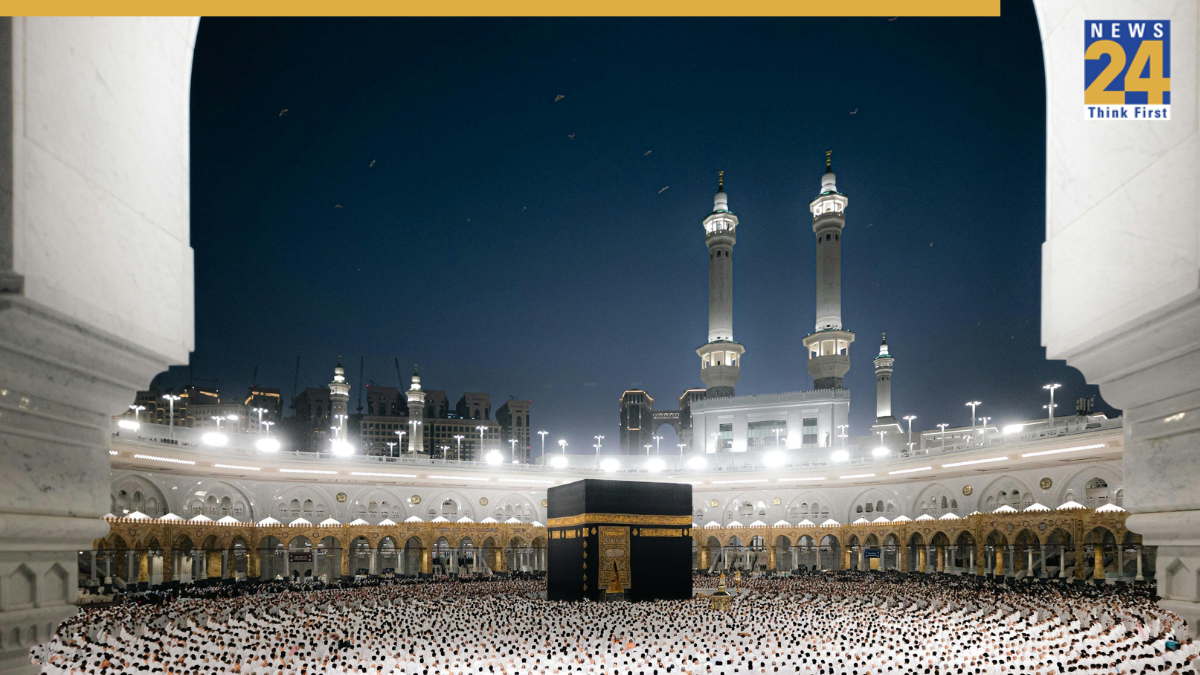


In a tragic incident, at least 45 Indian Umrah pilgrims lost their lives in a bus accident in Riyadh. It became the final journey for the Umrah pilgrims. It has also drawn attention to the importance of understanding the major Islamic pilgrimage rituals: Hajj and Umrah. While both are significant in Islam, they differ in various aspects, including their religious importance, timing, and the specific rituals involved.
What is Hajj?
Hajj is one of the Five Pillars of Islam and is an obligatory pilgrimage for all Muslims who are physically and financially capable of performing it. It is performed annually during the Islamic month of Dhul-Hijjah, the last month of the Islamic lunar calendar. Every Muslim who meets the requirements is required to perform Hajj at least once in their lifetime, making it a mandatory pilgrimage.
Hajj takes place in the holy city of Mecca, Saudi Arabia, and includes several important rituals such as the Tawaf (circling the Kaaba), Sa’i (walking between the hills of Safa and Marwah), and the symbolic act of stoning the devil at Mina. Hajj lasts for about five days, from the 8th to the 12th of Dhul-Hijjah. It is a deeply spiritual journey meant to purify the soul and seek forgiveness from Allah.
What is Umrah?
Umrah is often referred to as the “lesser pilgrimage” compared to Hajj. While it is a highly revered act of worship, Umrah is not obligatory, meaning Muslims are not required to perform it. Unlike Hajj, Umrah can be undertaken at any time of the year, except during the days of Hajj (the 8th to 12th of Dhul-Hijjah). While Umrah is optional, it still holds great spiritual significance.
The rituals of Umrah are somewhat similar to Hajj but are less extensive. They include Tawaf, Sa’i, and the Tahallul (shaving the head for men or cutting the hair for women). However, Umrah does not include the rituals of staying in Mina or stoning the devil, which are specific to Hajj.
How Long Does Hajj and Umrah Take?
The time required to perform Hajj is typically about five days as it includes various rituals spread over the course of this time period.
Umrah, on the other hand, is a much shorter pilgrimage and can be completed in just a few hours to a day. Many Muslims combine it with a trip to Saudi Arabia, as it doesn’t have a specific time frame, unlike Hajj.
Is Umrah as Mandatory as Hajj?
No, Umrah is not mandatory in Islam. It is a recommended but optional pilgrimage. Muslims are only required to perform Hajj once in their lifetime if they meet the necessary conditions. Performing Umrah, however, is highly meritorious, and many Muslims choose to perform it as a way of seeking Allah’s blessings and spiritual purification.
However, Hajj is a mandatory pillar of Islam for those who are able, and failing to perform it when able can be considered sinful.
In conclusion, while Hajj is an obligatory pilgrimage with strict rituals and specific timings, Umrah is an optional act of worship that holds significant spiritual merit. Both rituals involve similar activities, such as Tawaf and Sa’i, but Hajj is longer and includes additional rites. Muslims who can afford and are able to perform Hajj are required to do so, while Umrah can be undertaken at any time of the year, offering an opportunity for additional spiritual rewards.
With the tragic bus accident recently occurring in Saudi Arabia, it serves as a reminder of the importance of the safety and well-being of pilgrims as they embark on these sacred journeys.