
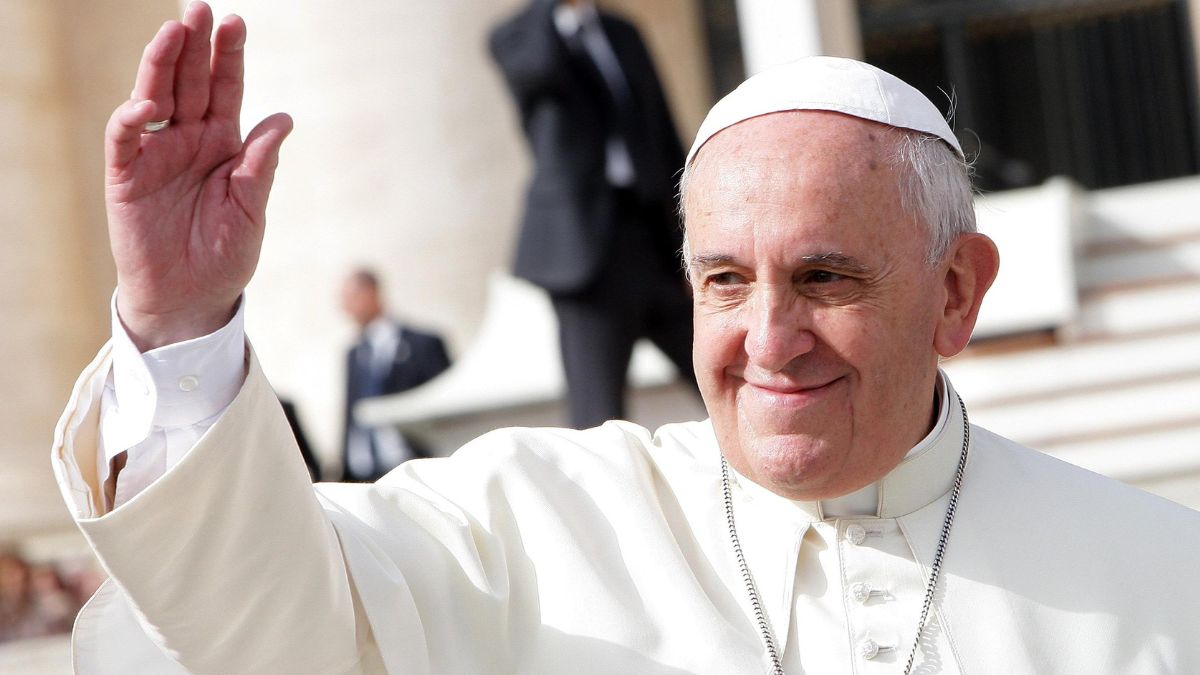


Pope Francis remains in critical condition for the second consecutive day as he battles double pneumonia, according to a release from the Vatican Press Office. The latest medical report indicates no change in his condition. Additionally, the Vatican stated on Sunday that the Pope’s blood test has shown an “initial, slight insufficiency” in kidney function.
The prognosis for the 88-year-old pope, who required a transfusion of two units of blood on Saturday after experiencing a “prolonged asthma-like respiratory crisis,” remains “guarded”. “The condition of the Holy Father remains critical; however, since last night he has not experienced further respiratory crises,” the Vatican said on Sunday.
Pope Francis has asked Catholics to pray for him, as he continues to receive treatment in the hospital. The pontiff was unable to deliver the traditional Angelus prayer in person for the second Sunday running. But in a message written over the last few days, he said he was “confidently continuing” his hospitalisation at Rome’s Gemelli Hospital and “carrying on with the necessary treatment”.
In his message, released on Sunday, the Pope thanked the doctors and health workers at the hospital, and well-wishers who sent in messages.
People Offer Prayers For Him
Dozens of people have been seen lighting candles and leaving them at the foot of a nearby statue of the late Pope John Paul II. On Sunday, the Pope took a moment in his message to reflect on the upcoming third anniversary of the war in Ukraine. He urged people to keep all victims of armed conflicts in their thoughts and prayers, reminding the world of the ongoing suffering caused by war. “pray for the gift of peace in Palestine, Israel and throughout the Middle East, Myanmar, Kivu and Sudan”.
Pope Misses Angelus For Second Sunday
The Angelus prayer is usually delivered by the Pope from a window of the Apostolic Palace at the Vatican and is accompanied by a short message. Pope Francis, who has led the Catholic Church since 2013, has faced several health challenges in recent years. His vulnerability to lung infections stems from a battle with pleurisy in his youth, which led to the removal of part of one lung.
On Saturday, the Vatican revealed that doctors had to administer blood transfusions after tests showed a low platelet count, often linked to anemia. Since platelets play a crucial role in clotting and preventing bleeding, the transfusion was essential.
By Sunday, there was some encouraging news—his hemoglobin levels, which help carry oxygen through the body, had improved, indicating that the treatment was having a positive effect.