


When wars drag on for years, everyone gets tired. Soldiers lose their lives, families lose their homes, and ordinary people just want peace. The Russia-Ukraine war, which began in February 2022, has already crossed three years, with no clear end in sight. Now Donald Trump, the American President, has entered the scene, claiming his team has prepared a “fully ready” peace plan. But here’s the real question we need to ask ourselves: can any single plan, no matter how carefully crafted, truly stop a war that has destroyed cities, displaced millions, and taken countless lives?
Trump’s confidence is hard to miss. He’s sending his close ally Steve Witkoff to meet Russian President Vladimir Putin, and even his son-in-law Jared Kushner might join the talks. The Army Secretary will meet with Ukrainian leaders. Trump initially set a Thursday deadline for Ukraine to accept his proposal but quickly changed his mind, saying his real deadline is “simply when the war ends.” That sounds hopeful, doesn’t it? But when you look beneath the surface, things become far more complicated than they appear.
The original peace proposal contained twenty-eight points, and many of them seemed to favor Russia heavily. Reports suggest Ukraine would have to give up significant territory in the eastern regions of Donbas, Luhansk, Donetsk, and possibly parts of Kherson and Zaporizhzhia. Ukraine’s military would be cut by half, and the country would never be allowed to join NATO. These were not minor concessions. For a nation fighting for its survival and sovereignty, these terms felt like surrender disguised as peace. After weekend talks in Geneva involving American, Ukrainian, and European officials, the plan reportedly shrunk to nineteen points with several controversial clauses removed. Yet the core territorial questions remain unresolved.
While Trump speaks optimistically about progress, the reality on the ground tells a different story. Just this week, Russian drones attacked the southeastern Ukrainian city of Zaporizhzhia, destroying shops, damaging apartment buildings, and injuring twelve people. The day before, a missile strike on Ukraine’s power system killed seven people in Kyiv. NATO jets had to scramble to track Russian drones entering Romanian airspace. These are not the actions of a nation ready to make peace. They are the actions of a country still very much at war.
Trump argues that Russia is making concessions by agreeing to stop fighting and not seizing more land. But is that really a concession, or just a temporary pause before the next offensive? History has shown us that ceasefires without proper enforcement mechanisms often collapse. Russia signed agreements in the past promising to respect Ukraine’s borders, yet here we are. The proposed Peace Council that Trump would lead to monitor compliance sounds good in theory, but who will enforce it when violations occur? What happens if Russia decides to break the agreement after recovering its military strength?
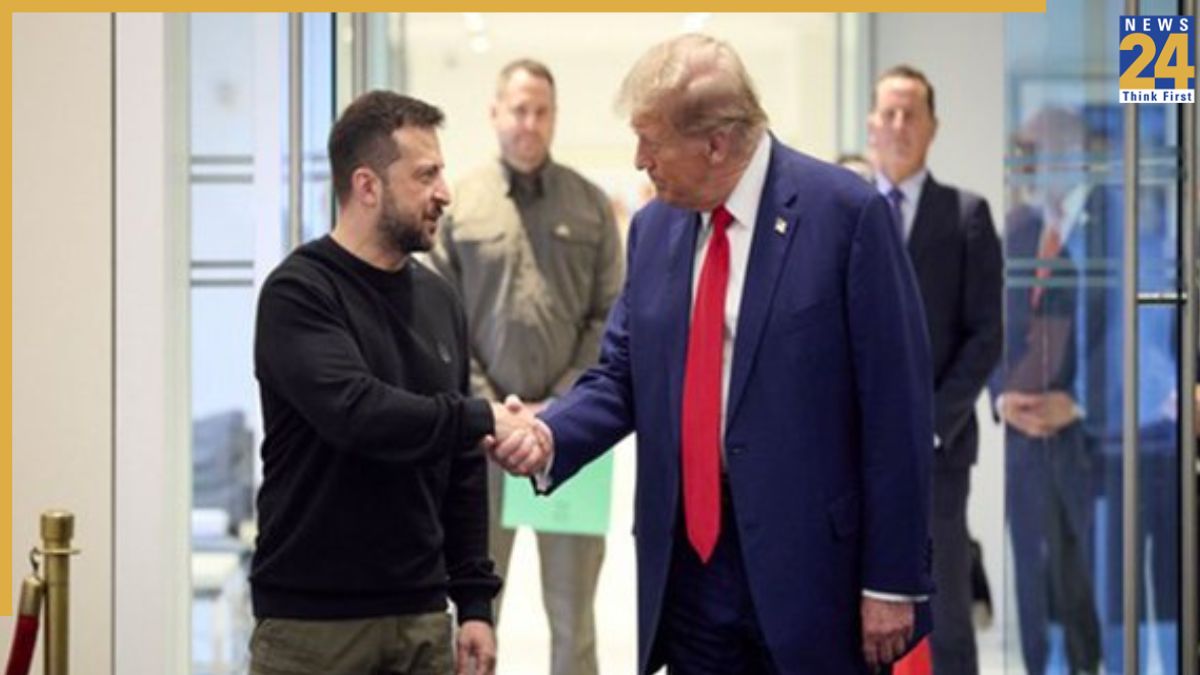
Ukraine finds itself in an impossible position. President Volodymyr Zelenskyy faces pressure from all sides. On one hand, Trump is pushing hard for a quick agreement, reportedly threatening to reduce military aid if Ukraine refuses. On the other hand, European leaders from Britain, France, and Germany have clearly stated that Ukraine must be fully involved in any peace plan, and that borders cannot be changed by force. Ukrainian officials have expressed cautious optimism about recent discussions, but they also know that accepting a bad deal could mean losing everything they have fought for these past three years.
The human cost of this war makes the urgency for peace understandable. Reports suggest Russian forces have suffered a million casualties trying to capture just one percent of additional Ukrainian territory. Ukrainian cities lie in ruins. Millions have fled their homes. Children have been separated from families. Everyone is exhausted. But the question remains whether rushing into a flawed agreement will actually end the suffering or simply postpone it until the next conflict erupts.
There are also disturbing elements to this peace process. Reports emerged that Trump’s envoy Witkoff advised a senior Kremlin official on how to present the peace deal in the most appealing way to Trump. If true, this raises serious concerns about whose interests are really being served. Additionally, Russia has issued documents outlining plans to strengthen Russian language and identity in occupied Ukrainian territories, aiming for ninety-five percent of the population to identify as Russian by 2036. This doesn’t sound like a nation planning to return conquered land.
Meanwhile, the war continues to spread its dark shadow beyond Ukraine’s borders. French authorities arrested three people for allegedly spying for Russia and spreading pro-war propaganda. In South Africa, police are investigating shocking claims that men were tricked into joining Russia’s war effort under false promises of training programs, only to find themselves trapped on deadly frontlines. The conflict touches lives in unexpected places.
For young people trying to understand this situation, the key lesson is this: peace is not just the absence of war. Real peace requires justice, security guarantees, and solutions that address the root causes of conflict. A piece of paper with signatures means nothing if the fundamental problems remain unresolved. Ukraine wants to maintain its independence and sovereignty. Russia wants strategic influence and territorial gains. These goals are fundamentally opposed, and no amount of diplomatic language can easily bridge that gap.
The European Union leaders have rightfully pointed out that decisions about Europe cannot be made without Europe’s involvement. Poland, which shares borders with both Ukraine and Russia, has called several provisions of Trump’s plan “unacceptable.” Finland’s president reminded everyone that matters concerning Ukraine are for Ukraine to decide. These voices matter because they represent countries that will live with the consequences of whatever agreement emerges.
So is there any foolproof plan to end this war? Honestly, probably not. War is messy, complicated, and driven by deep political, historical, and emotional forces that don’t respond well to quick fixes. Trump’s involvement brings American diplomatic weight and resources to the table, which could be valuable. But sustainable peace requires more than pressure and deadlines. It requires genuine compromise, credible enforcement mechanisms, and commitment from all parties to honor their agreements.
What we can hope for is a peace that protects Ukrainian sovereignty, provides real security guarantees, addresses humanitarian concerns like prisoner exchanges and the return of abducted children, and creates mechanisms to prevent future aggression. Anything less would just be a temporary pause before the next tragedy unfolds. The world is watching closely, and the decisions made in the coming weeks will affect millions of lives. We can only hope that wisdom and justice prevail over political convenience and false promises.