

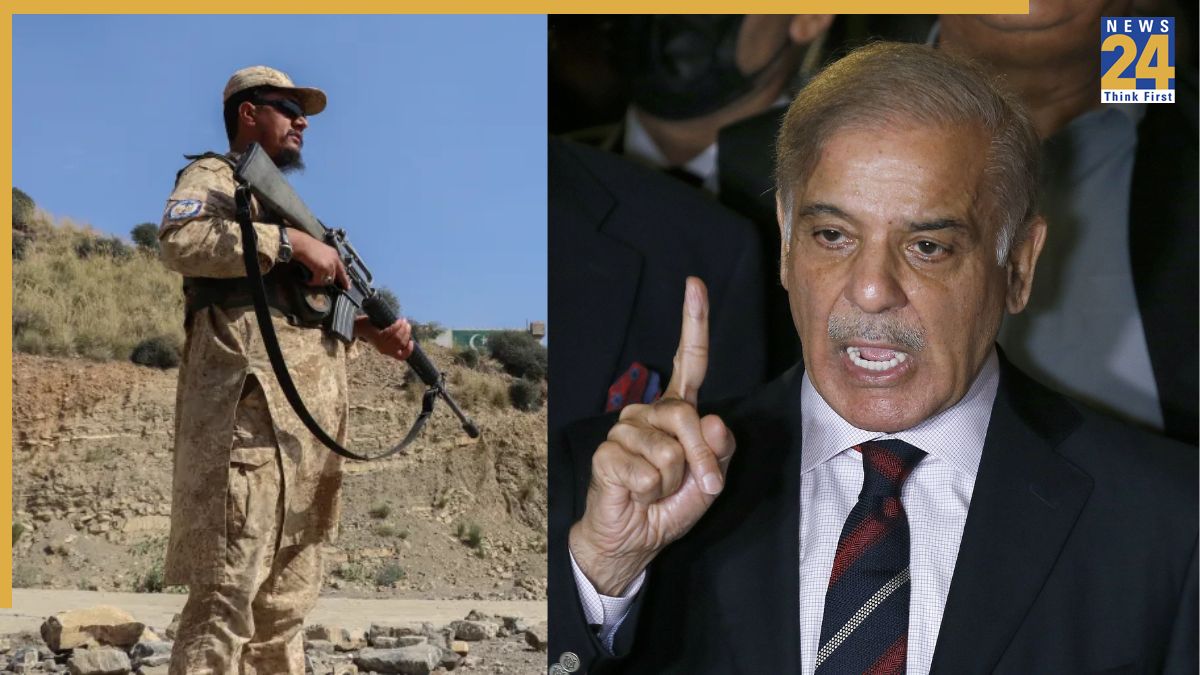


Pakistan has made a significant shift in its policy towards Afghanistan. According to senior diplomatic and intelligence sources, Islamabad has sent its ‘final message’ to the Taliban leadership, making it clear that the group must either choose the path of reconciliation and comply with Pakistan’s security demands or face Pakistan’s support for political forces capable of challenging the Taliban government. In other words, Pakistan is signaling a direct threat of political upheaval in Afghanistan.
Diplomatic channels and the trigger
Sources revealed that Pakistan delivered this firm message to the Taliban through Turkey. For months, Islamabad had been engaging in talks with the Taliban, but no substantial results were achieved. The main reason was the Taliban’s refusal to take action against Tehrik-e-Taliban Pakistan (TTP), even as cross-border attacks increased.
Tensions escalated further when the Taliban opened diplomatic channels with India. The recent visit of Afghan Foreign Minister Ameer Khan Muttaqi to India heightened Pakistan’s unease, as the Taliban’s tilt towards India posed both security concerns and a geopolitical challenge for Islamabad.
Pakistan engages Afghan opposition leaders
In a major policy shift, Pakistan has now started reaching out to Afghanistan’s key democratic and opposition leaders. These include former presidents Hamid Karzai and Ashraf Ghani, National Resistance Front leader Ahmad Massoud, Abdul Rashid Dostum, commanders linked to the Northern Alliance and members of the Afghan Freedom Front.
Pakistan has offered these leaders political space, safe presence and office facilities, signaling its first open consideration of organising a structured Afghan opposition. Reports suggest the proposal has also been extended to exiled Afghan women leaders, activists and democratic groups, reflecting Islamabad’s broader strategy to counter the Taliban’s influence.
The demands and failed talks
Talks between Pakistan and the Taliban stalled after three rounds, first in Qatar, then in Turkey. Even the temporary ceasefire agreed upon could not be extended. Pakistan’s key demands included:
- Strict action against TTP and handing over its militants
- Guarantee of peace along the Durand Line
- Creation of a buffer zone along the border
- Normalisation of trade and cooperation
The Taliban, however, refused to comply, especially regarding handing over TTP fighters and establishing a buffer zone. Pakistan insists that these measures are essential for its security, as attacks on its military installations have been increasing.