

This month, Nepal witnessed a historic mass movement led by Generation Z youth. After a ban on social media, these youth began to use new technologies instead of traditional methods of protest. The movement, which began as a protest against corruption and quid pro quo politics, forced Prime Minister KP Sharma Oli to step down. After this, Nepal saw a woman as interim prime minister for the first time—former Chief Justice Sushila Karki.
Social media ban sparked protests
The protests began when the government banned a total of 26 digital platforms, including Facebook, Instagram, YouTube and WhatsApp, saying that these platforms were not following registration rules. Some apps like TikTok and Viber remained operational, but the shutdown of other services cut off millions of people across the country from the online world.
Although the administration described the decision as an attempt to “maintain social harmony,” the youth saw it as a direct attack on freedom of expression. In response, demand for VPN services surged tremendously—an increase of about 6,000 percent. Meanwhile, downloads of Jack Dorsey’s offline messaging app Bitchat also rose from 3,000 to nearly 50,000.
When technology became a weapon of revolution
Digital freedom advocates believed the government underestimated the power of technology. What began as an online outrage against corruption turned into a massive national movement through alternative technological means.
Banning social media infuriated the public.
VPN use to bypass blockages jumped 6,000%.
Downloads of the Bitchat app increased by 1,400%.
Channels on Discord became digital parliaments, with more than 145,000 people joining.
Hashtags like #NepoKids fueled widespread anger against inequality and corruption.
Offline tools like Mesh networks and encrypted chats made coordination at the grassroots level easier.
While Bitchat helped connect protesters even without the internet, political discussions swelled on platforms like Discord. One major Discord server had more than 145,000 active users. Online debates soon brought people to the streets.
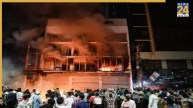
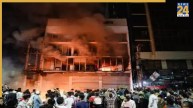
Thousands of youths gathered on the streets of Kathmandu on September 8, shouting slogans against corruption and the lavish lifestyle of leaders. At least 72 people were killed in police clashes during these protests, including protesters, security personnel and some prisoners.
The voice raised from #NepoKids reached the martyrs
The fire of the protests was further fueled by trends like #NepoKids. In these tweets, the foreign holidays and expensive fashion of the leaders’ children were compared to the economic problems of the common Nepali. This anger spread rapidly in cities as well as rural areas.
Interim Prime Minister Sushila Karki announced that all those killed in these incidents would be given the status of “martyr”. He said, “We have not come to cling on to power. The caretaker government will work to restore peace, compensate the victims and hold democratic elections in six months.” The government has promised to pay 10 lakh Nepalese rupees to the families of those killed and bear the full cost of treatment of the injured.
Now that Nepal is in a phase of political transition, this movement shows that when youth rise with technology, courage and innovation, they can also cross the walls of censorship and change the direction of the country.