
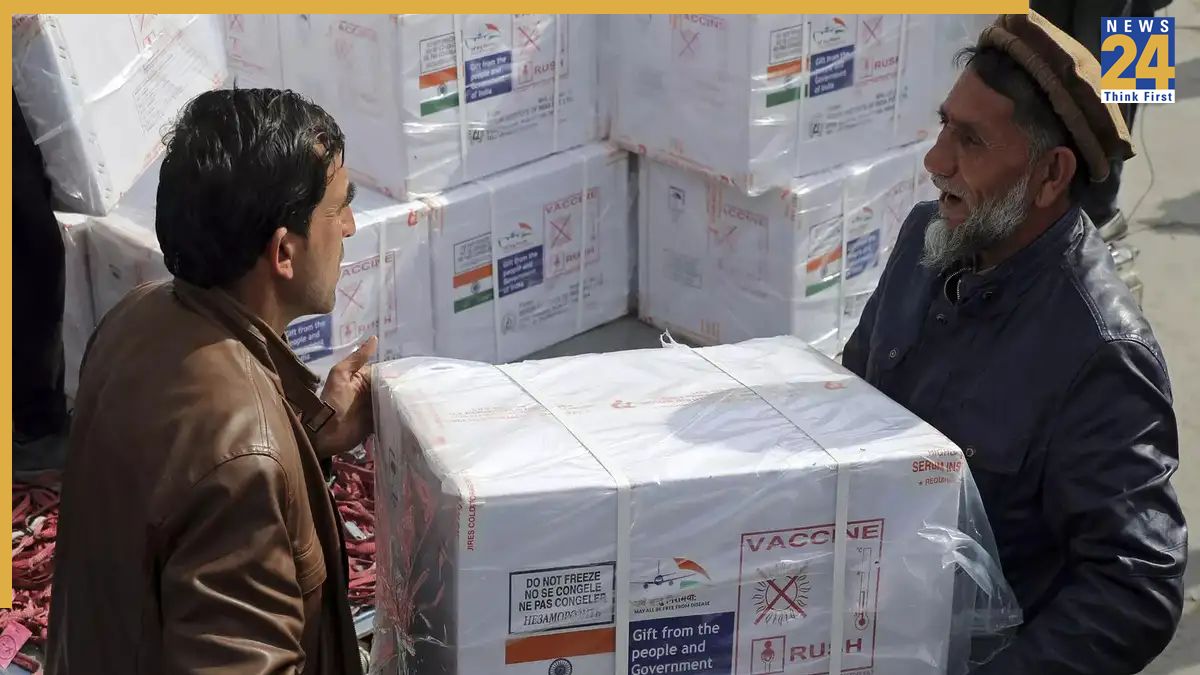


Afghanistan has given Pakistan another major blow by moving closer to India in the field of trade and investment. India and Afghanistan have signed a big 100 million USD agreement to boost cooperation in the pharmaceutical sector. The deal was finalised just days after Taliban Industry and Commerce Minister Alhaj Nooruddin Azizi completed his high-profile visit to India, where he pushed for stronger economic ties.
The MoU was signed in Dubai between Afghanistan’s Rofi International Group of Companies and India’s well-known pharmaceutical giant, Zydus Lifesciences. The agreement is being viewed as an important step in helping Afghanistan rebuild its medical and drug manufacturing capabilities while expanding India’s presence in the Afghan healthcare market. The signing took place at the Afghan Consulate in Dubai, in the presence of senior Afghan diplomats and officials.
What’s in the deal?
As per Afghanistan’s Ministry of Industry and Commerce, Zydus Lifesciences will first start by exporting medicines to Afghanistan. Later, the company will shift its representative office to Afghanistan and begin producing medicines locally. Officials have confirmed that the transfer of technical knowledge and manufacturing data has already begun, which will help Afghanistan slowly develop its own pharmaceutical industry.
Why the timing matters
The timing of this deal is very significant. The Taliban recently restricted trade with Pakistan and instructed Afghan companies to cut ties with Pakistani pharmaceutical suppliers within three months. Because of this, the new India-Afghanistan agreement is being widely seen as a direct hit to Pakistan, which has long been Afghanistan’s main trade and transit route.
During his recent visit to India, Minister Azizi called for a big expansion in trade, investment and diplomatic cooperation between the two countries. He also assured full security for Indian companies and diplomats working in Afghanistan, saying the country is ‘open for business.’
This 100 million USD MoU is the first concrete result of that outreach. It clearly shows Kabul’s intention to diversify its trade partners, strengthen its strategic relationship with India and reduce dependence on Pakistan, marking a major shift in regional trade dynamics.