

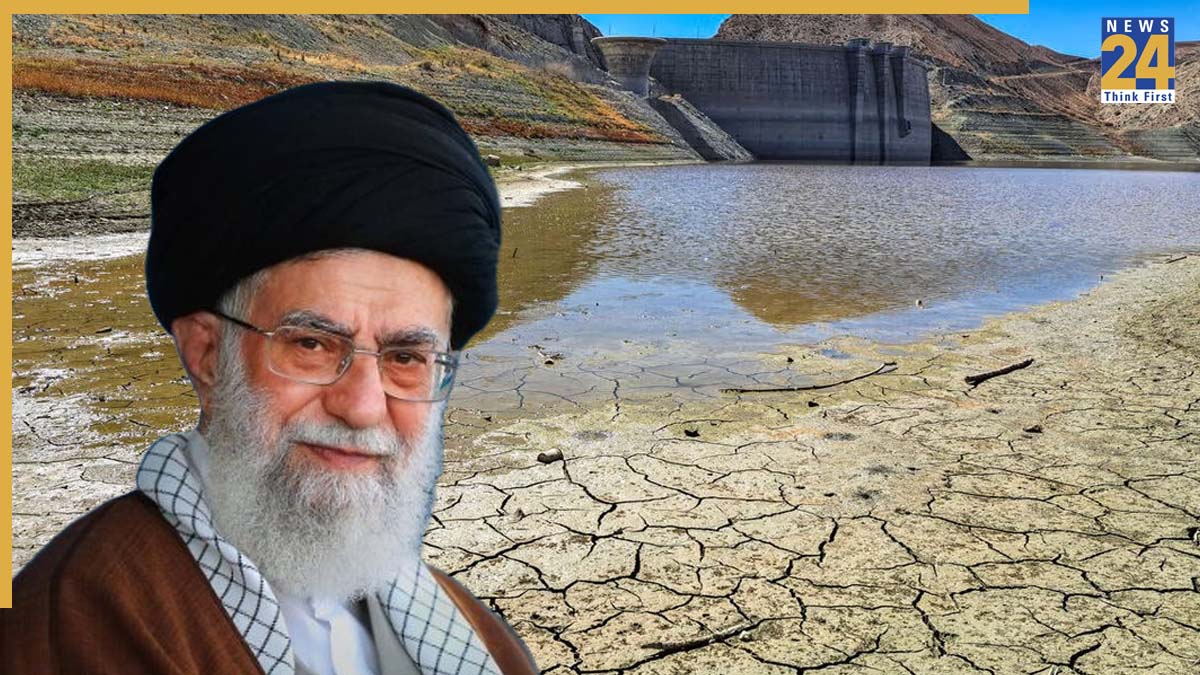


Iran is facing one of its worst droughts in decades. Water levels in lakes and dams have dropped so drastically that the government has now begun cloud seeding in an effort to induce artificial rain. On Saturday, Iranian officials carried out cloud-seeding operations over the Urmia Lake basin, once Iran’s largest lake, now mostly transformed into a vast salt plain due to extreme drying. According to the state news agency IRNA, similar operations will soon take place in the East and West Azerbaijan regions.
Rainfall across the country has reached record lows. President Masoud Pezeshkian warned last week that if rains do not come soon, Tehran may have to reduce its water supply, and in a worst-case scenario, authorities may even need to evacuate people from the capital.
How Cloud Seeding Works?
Cloud seeding involves releasing chemical salts such as silver iodide or potassium iodide into clouds. This can be done using aircraft or ground-based generators. The chemicals help speed up the formation of water droplets, increasing the chances of rainfall. The technique has been used for decades in various countries, including the UAE, to manage water shortages.
Sharp Decline in Rainfall?
Iran’s meteorological agency reports that this year’s rainfall is 89% below the long-term average. The agency declared that the country is experiencing its driest autumn in 50 years. Officials also said they are preparing to impose fines on households and businesses that consume excessive water.
According to reports, Ahmad Vazifeh, head of Iran’s National Center for Climate and Drought Crisis Management, stated that water levels in dams in Tehran, West Azerbaijan, East Azerbaijan, and Markazi provinces have become “alarming,” with some falling into single-digit percentages.