

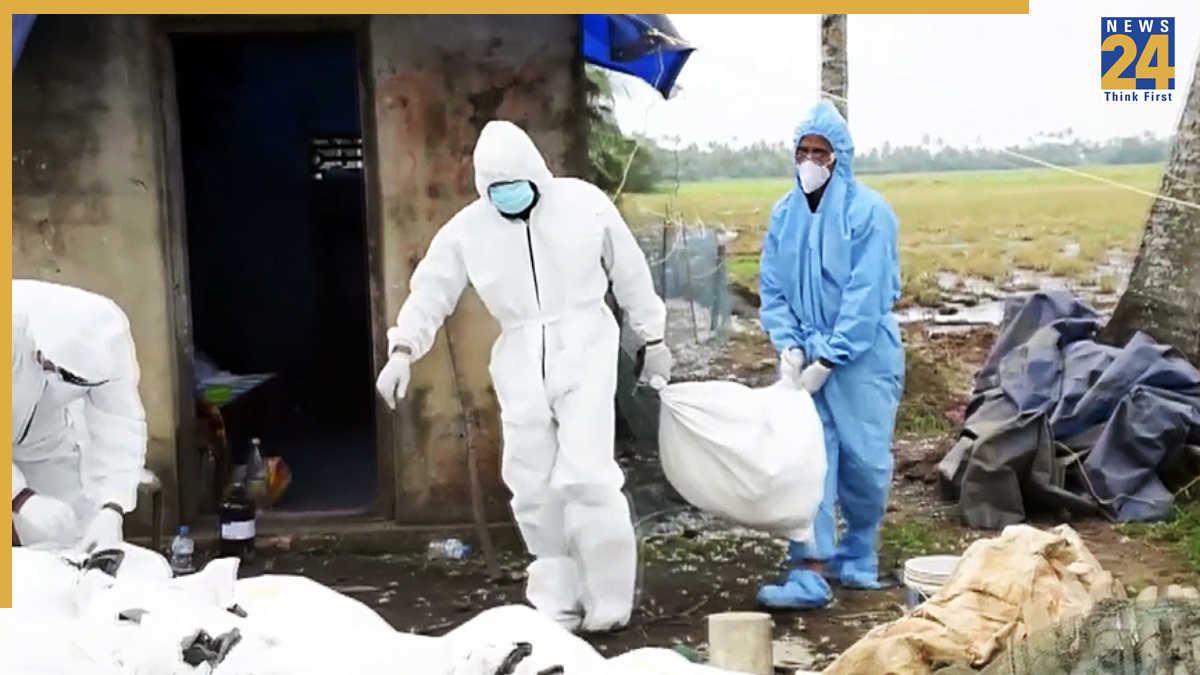


A man in the US has become the first human confirmed to be infected with the H5N5 strain of bird flu, health officials reported last week. The patient, an older adult with pre-existing health issues, was hospitalised in early November after showing avian influenza symptoms, according to the Washington State Department of Health. Tests confirmed the virus as influenza A H5, and further analysis identified it as the H5N5 subtype, a strain previously seen only in birds and animals and never before in humans.
The man keeps a mixed backyard flock of domestic poultry that has contact with wild birds. Health officials say the infection likely came from either his domestic birds or nearby wild birds, though the exact source is still under investigation.
What Is Avian Influenza?
Avian influenza, commonly called “bird flu,” is a disease caused by Influenza A viruses that mainly infect birds, according to the Centers for Disease Control and Prevention (CDC). These viruses are naturally found in wild water birds, which act as carriers. Influenza A viruses are classified based on two surface proteins: hemagglutinin (H) and neuraminidase (N). There are many subtypes, such as H5N1, H5N5, H5N8, and others, which fall under the A (H5) group.
Influenza A (H5) viruses have a lot of genetic variety and can mix their genes, creating new versions, according to the World Organisation for Animal Health. Although the current risk to humans is low, there is a need for caution, especially in animals where these viruses are common, as they could potentially cause a pandemic.
How H5N5 Spreads
In birds, the virus spreads through their saliva, nasal secretions, and droppings. Humans usually become infected by close, unprotected contact with sick birds or contaminated environments, such as poultry farms and live bird markets. The virus can be transmitted through respiratory droplets, dust, or by touching surfaces contaminated with bird secretions and then touching the eyes, nose, or mouth, according to the World Health Organization.
Symptoms in Humans
In people, H5N5 symptoms can range from none (asymptomatic) to mild or severe. Common signs include fever, cough, sore throat, shortness of breath, fatigue, muscle aches, and sometimes vomiting or diarrhea. Eye infections (conjunctivitis) have also been reported. In serious cases, the infection can cause pneumonia, acute respiratory distress, or even death.
Prevention
- Avoid close contact with sick or dead birds.
- Wear protective gear such as masks and gloves when handling poultry or cleaning coops.
- Do not consume raw or undercooked poultry, eggs, meat, or raw milk from potentially infected animals.
- Public health authorities emphasize continuous monitoring and rapid detection of new human cases.