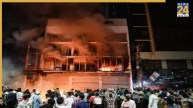


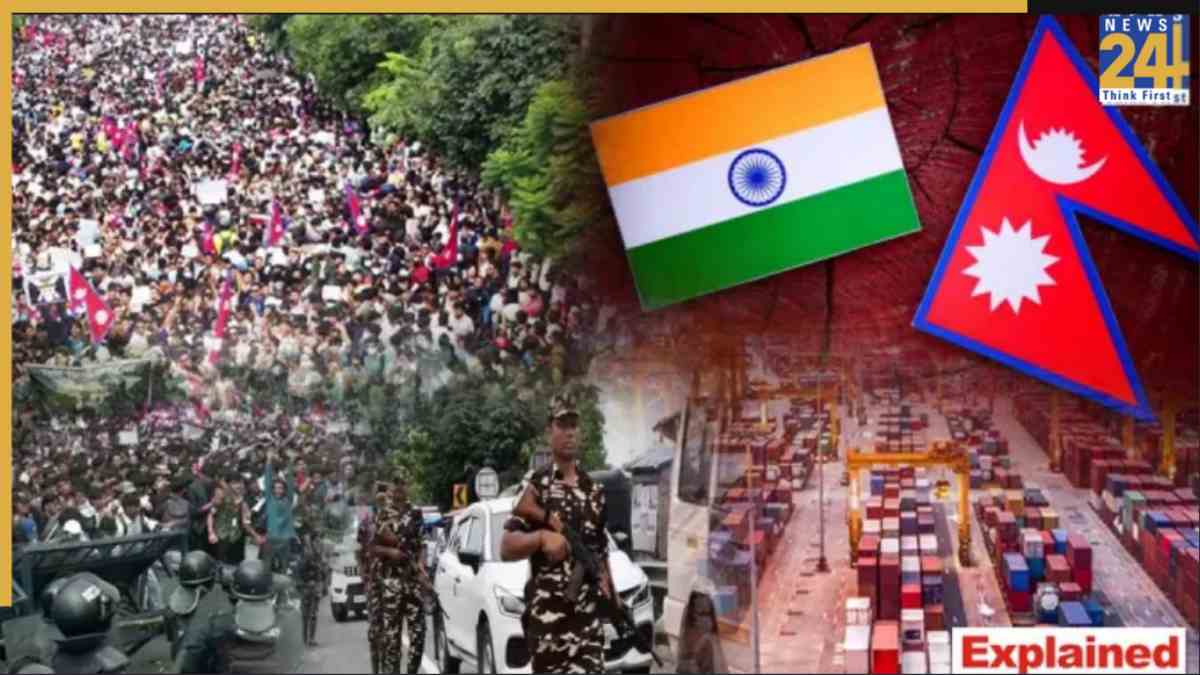


The swift turn of events in Nepal that forced the elected political leadership of the country to scurry for safety stunned the world and brought the focus back on the region. The scale of violence unleashed by the people scarred the country, some two decades after the revolt against the monarchy.
Ironically, there were protests advocating the return to monarchy, which was looked down on by many observers as regressive. However, just as the anti-monarchy movement that led to the establishment of a new political order, the protest this time was against the entrenched model of governance in which the gap between those tasked to govern and the ordinary kept growing. The disenchantment grew over economic hardships.
Gen Z led the backlash a day after the former PM K.P. Sharma Oli government imposed a ban on social media. As protesters against the ban took to the streets, the situation aggravated after police adopted lethal methods to control the protestors, killing 19 citizens and injuring hundreds. The protests seeking a return to monarchy came after Oli joined hands with the Nepal Congress last year to oust his Communist opponent, Puspha Kamal Dahal.
Undercurrents of the sullenness among the vast majority of the people was directed against the political class, amid a growing perception that corrupt practices continued and flourished due to an understanding among the leaders from either side of the political fence.
The opulent lifestyles of the leadership and their kin stood in contrast to the misery suffered by a large section of the people. Former PM Oli, considered to be tilting towards China, resigned, while many former leaders had to face the wrath of the people.
Growing instability in Nepal can offer China an opportunity to expand its economic and political influence in the country. Beijing has a presence in infrastructure through its Belt and Road Initiative and energy sectors. With India sharing a long and open border with Nepal, the challenge deepens.
Besides pushing Chinese President Xi Jinping’s flagship BRI, in the landlocked Nepal, Beijing is expanding its presence through projects like airports and even the Parliament building, which was torched on September 9.
Unlike in Bangladesh, where the association of the United States was greater, in Nepal, a freeze on funds by the new administration led to some key projects getting stalled. The lack of resources and trickling of funds led to a perception of Washington being an unreliable partner.
Indian Response
The development in Nepal will have broader geopolitical implications for India’s development. The volatile nature in the neighbourhood, first witnessed in Sri Lanka, then in Bangladesh last year, and now in Nepal, injects new challenges.
India remains on guard, and several state governments sharing the border with Nepal have put up additional security measures. The effort to ringfence the citizens in these border areas and maintain peace in the contiguous regions.
Did India miss early warning signals about the changing ground realities? Protests favouring the return of monarchy, the controversy over Lipulekh trade routes, and deep-rooted resentment of the youth against the establishment. The current violent nature of agitation and the extensive dependence of the youth or Gen Z on social media to spread their message were not reflected in regular reportage from the area.
The youth have challenged the entrenched elites, and in the absence of any clear alternatives yet, there is uncertainty over the future path. New Delhi, which vigorously pursues the ‘Neighbourhood First’ policy, will have to engage in deft diplomacy, reach out to prevent any drift and reclaim its role as a time-tested neighbour who can be depended upon at all times.