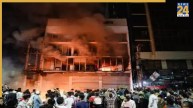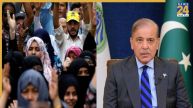

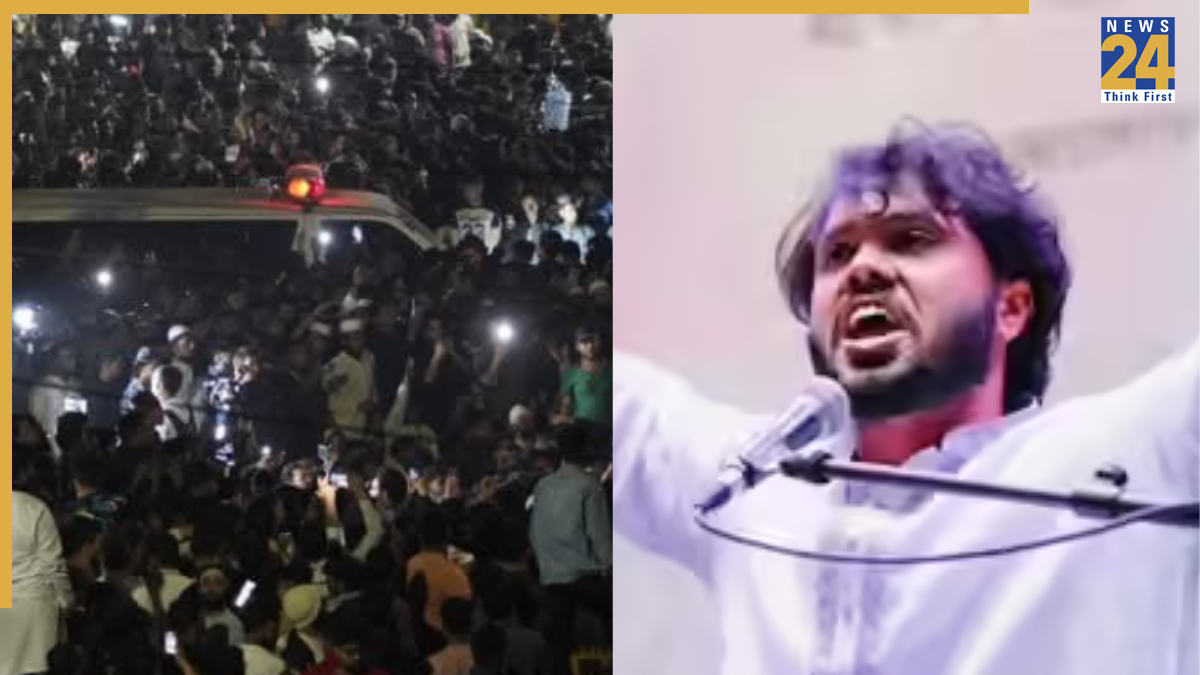


Rising political unrest and growing diplomatic tensions have sparked new anti-India protests in Bangladesh, with demonstrators moving toward Indian diplomatic missions. Dhaka has repeatedly demanded the extradition of former Prime Minister Sheikh Hasina, as the country heads into national elections amid a volatile political atmosphere under the interim government.
Protests target Indian missions in Rajshahi and Dhaka
On Thursday, dozens of protesters tried to march to the Assistant Indian High Commission in Rajshahi, demanding the “repatriation of all the killers, including Sheikh Hasina.” Police stopped the march, assuring demonstrators that their concerns would be forwarded to authorities. A similar protest took place a day earlier in Dhaka, targeting the Indian High Commission, marking a sharp rise in anti-India sentiment.
India summons Bangladesh envoy
India’s Ministry of External Affairs summoned Bangladesh High Commissioner M. Riaz Hamidullah in New Delhi to express concerns over threats from extremist groups and the worsening security around Indian missions. New Delhi reminded Dhaka of its diplomatic obligations and stressed that the safety of Indian missions must be ensured at all times.
Strained ties since Hasina fled to India
Relations have been tense since Sheikh Hasina fled to India following last year’s student-led uprising. Bangladesh has repeatedly sought her extradition for alleged crimes, while India has said it is reviewing the request. Hasina, 78, was sentenced to death in absentia last month for crimes against humanity. The upcoming elections on February 12 will take place without her Awami League, which has been banned from contesting.
NCP leader issues a provocative threat
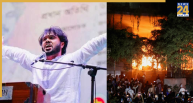
Tensions rose further after Hasnat Abdullah, a leader of Bangladesh’s National Citizen Party (NCP), warned that Dhaka would “give refuge to separatists of the Seven Sisters” if India attempted to destabilize Bangladesh. He claimed Bangladesh could isolate India’s Northeastern states, which rely on the narrow Siliguri Corridor. Abdullah, 27, became prominent during the 2024 protests and is known for his confrontational statements.
India rejects extremist claims
India has dismissed these remarks, calling them a false narrative pushed by extremist elements. The MEA reiterated that India supports peace and stability in Bangladesh and expects the interim government to ensure the security of Indian missions.