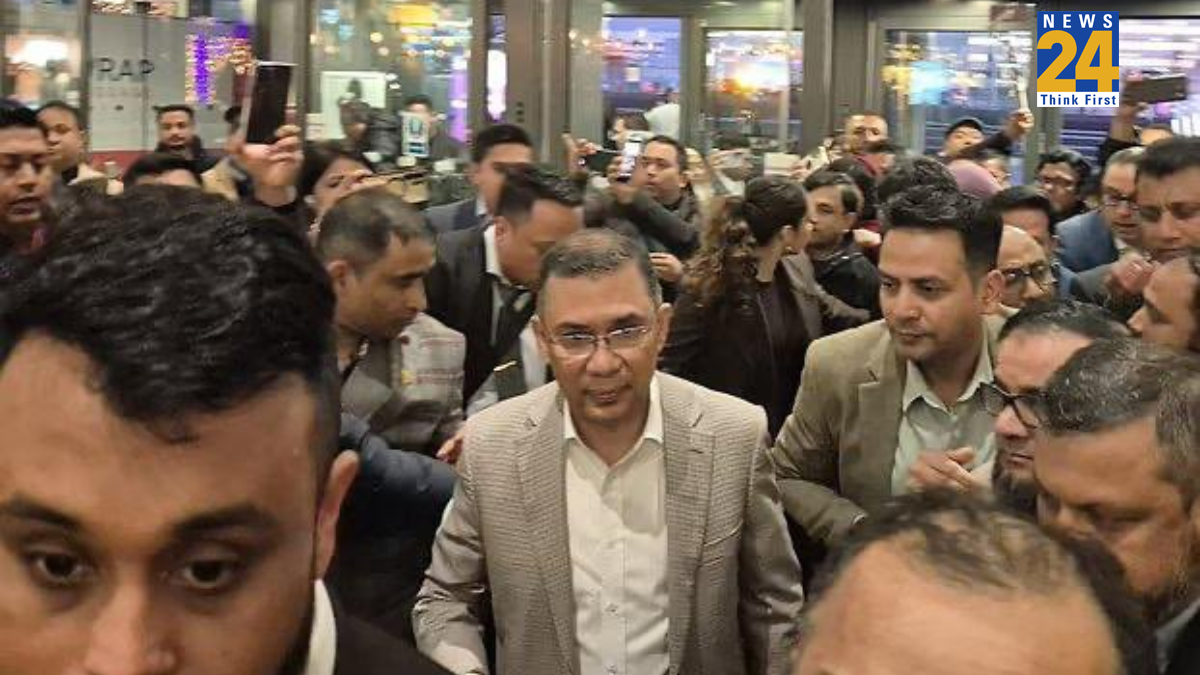


Bangladesh Nationalist Party (BNP) acting chairman Tarique Rahman, a key opposition leader, lands in Dhaka on Thursday, ending over 17 years of self-exile in the UK. His departure from Bangladesh began in 2008, when he left for medical treatment amid rising legal and political pressures at home. Rahman, the eldest son of former Prime Minister and BNP chairperson Khaleda Zia, is seen as the main face of the party ahead of the parliamentary elections scheduled for February 12. His return is especially significant as Khaleda Zia remains unwell, leaving Rahman to take center stage in the electoral campaign.
Rising political tensions
Since former Prime Minister Sheikh Hasina’s ouster, Bangladesh has experienced recurring violence. The recent killing of youth leader Osman Hadi, a key figure in Hasina’s ouster, has further intensified political tensions. Hadi’s brother has alleged that the murder was aimed at “sabotaging polls.”
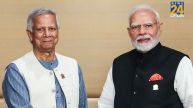
Rahman’s homecoming has been facilitated by the interim government. Earlier this month, foreign advisor Md Touhid Hossain said the government could issue a “one-time” travel pass within a day if Rahman chose to return. Chief advisor Muhammad Yunus also discussed Rahman’s return in a recent meeting.
Steps to rejoin politics
BNP leaders confirmed that Rahman will complete the formalities to become a registered voter on December 27, enabling him to actively participate in electoral politics. Rahman previously told BBC Bangla, “For some reasonable reasons my return has not happened… but the time has come, and I will return soon… I am running in the election [as well].”
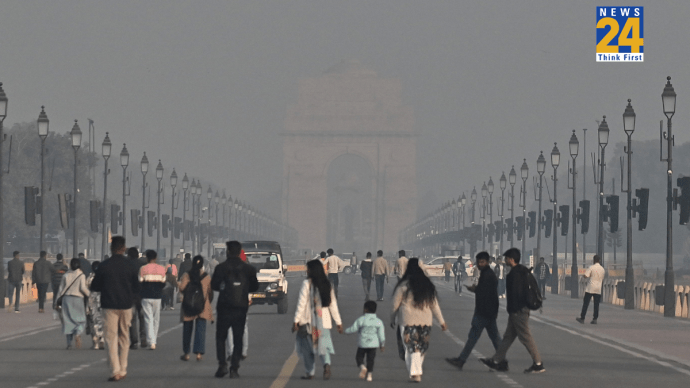
A thin layer of haze covered Anand Vihar, and while visibility remained fairly clear, the Air Quality Index (AQI) registered 292, categorizing it as “poor.” Similar light haze was also observed this morning around Dhaula Kuan, Akshardham, and India Gate.
Who is Tarique Rahman?
Tarique Rahman, 58, is the eldest son of former Prime Minister Khaleda Zia and the acting chairman of the Bangladesh Nationalist Party (BNP). He has been living in self-exile in London since 2008, after leaving Bangladesh following multiple criminal convictions, including money laundering and allegations related to a plot to assassinate then-Prime Minister Sheikh Hasina.
In the past year, Bangladesh’s higher courts have acquitted him in all major cases, including the 2004 grenade attack and the Zia Orphanage Trust corruption case, removing the legal barriers to his political comeback. Considered the BNP’s de facto leader, Rahman has now announced his plan to return to Bangladesh and contest the February 2026 general elections.
Sheikh Hasina’s removal
Bangladesh’s political landscape has been reshaped following the 2024 uprising and Sheikh Hasina’s removal. With the Awami League barred from elections, old alliances like the BNP-Jamaat partnership have fractured. The rise of the student-led National Citizen Party adds more uncertainty.
As his mother, former Prime Minister Khaleda Zia, battles health issues, the BNP is banking on Tarique Rahman as its main leader. His decision to contest signals an attempt to unite the party, reclaim the Zia family’s political legacy, and present the BNP as a strong governing alternative. Analysts see him as a frontrunner and a possible prime ministerial candidate if the party wins a majority.
Bangladesh’s leadership over the last three decades has alternated between Sheikh Hasina and Khaleda Zia. Zia, the country’s first female prime minister, served from 1991–1995 and 2001–2006. Her tenure remains well remembered, especially by factions critical of Hasina. She faced allegations of corruption and discrimination against minorities, and in 2018, she was sentenced to five years in prison for graft.
Rahman’s initial schedule
BNP leaders will receive Rahman at the airport before he heads to a reception on the July Expressway (300 Feet Road), where he is expected to address the nation. He will visit Khaleda Zia at the hospital and return to his residence in Gulshan-2.
On Friday, December 26, Rahman plans to visit the grave of BNP founder Ziaur Rahman at Sher-e-Bangla Nagar and the National Martyrs’ Monument in Savar.
On Saturday, December 27, he will complete national ID procedures to become a registered voter, visit the grave of martyred Osman Hadi at Dhaka University, and meet those injured in the July uprising at the National Orthopaedic Hospital in Shyamoli.