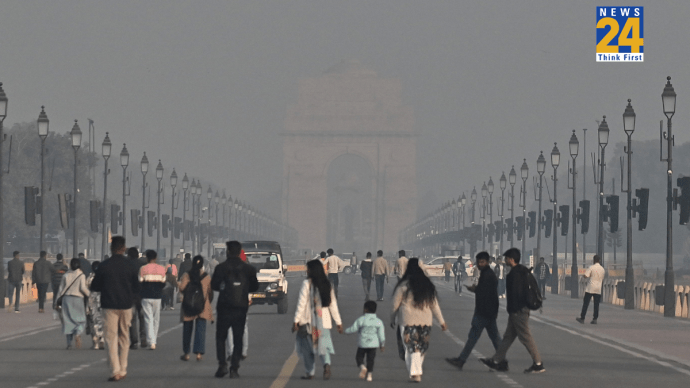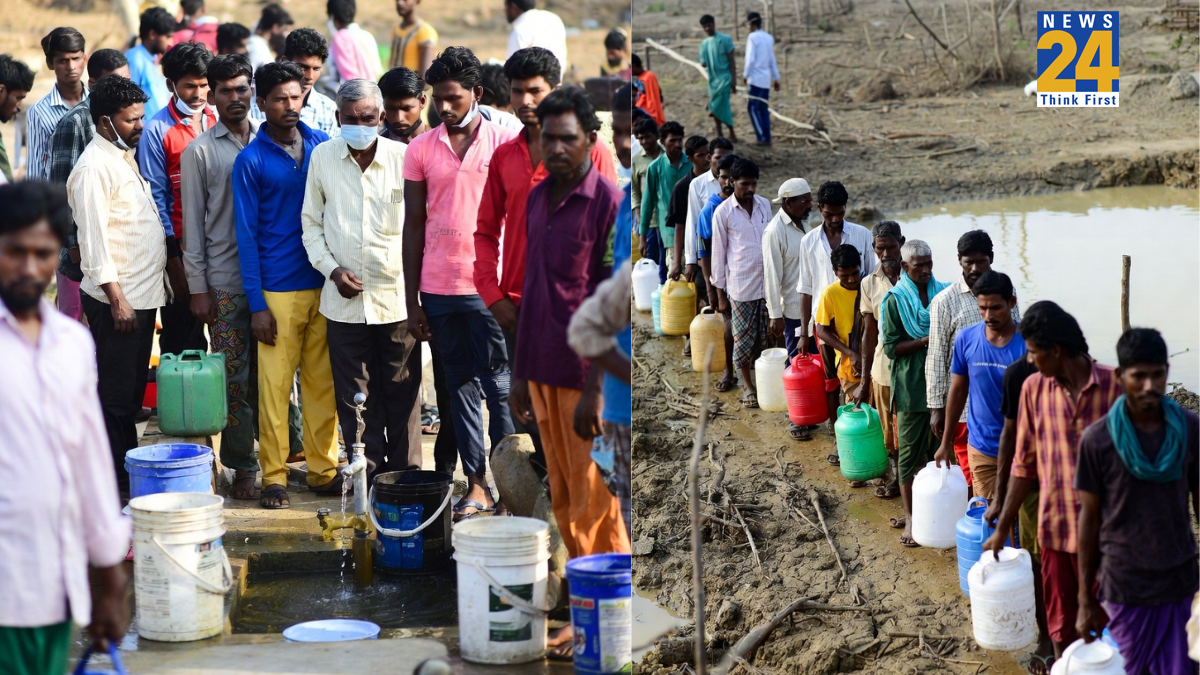


Bangladesh, already struggling with religious violence and political unrest, has finally received some hopeful news. The country, one of the most crowded in the world, often suffers from floods and droughts. Clean drinking water is very scarce, especially in coastal areas where the groundwater has turned salty. Now, scientists say nature has given Bangladesh an unexpected gift. Researchers from the Columbia Climate School have discovered a huge underground reservoir of fresh water beneath the coastal region. This water was stored hundreds of meters below the surface and is believed to be around 20,000 years old, formed during the Ice Age.
This discovery could provide safe drinking water to millions of people who currently rely on water contaminated with salt and arsenic.
What did scientists find beneath Bangladesh?
Researchers from the Lamont-Doherty Earth Observatory at Columbia Climate School discovered a vast supply of freshwater beneath the Ganga–Brahmaputra delta near the Pusur River. These underground reservoirs hold billions of liters of water protected under layers of salty groundwater. The study, published in Nature Communications, matters because many coastal areas of Bangladesh have salty groundwater, and about 41% of people still lack safe drinking water. This discovery could change that.
Scientists used a special scanning method called deep-sensing magnetotelluric soundings. It measures electrical currents beneath the ground. Because freshwater conducts electricity less than salty water, the technique allowed researchers to map where freshwater and saltwater were located before any drilling took place.
During the last Ice Age, sea levels were much lower, and this land was dry. Rain and floods filled underground aquifers with freshwater. Over time, rivers such as the Ganga and Brahmaputra brought layers of fine mud that acted like a seal. When sea levels later rose, and salty seawater covered the region, the freshwater below stayed locked and protected, preserving it for thousands of years.
How big is the water reserve?
They identified two large reservoirs:
- Northern reservoir: about 800 meters deep, stretching roughly 40 km
- Southern reservoir: about 250 meters deep, also about 40 km long
Early estimates suggest nearly 10 billion cubic meters of water — equal to about 4 million Olympic-size swimming pools.
This amount can supply coastal regions where people rely on rainwater or arsenic-contaminated wells.
How is this water 20,000 years old?
During the last Ice Age, sea levels were much lower, and this land was dry. Rain and floods filled underground aquifers with freshwater. Over time, rivers such as the Ganga and Brahmaputra brought layers of fine mud that acted like a seal. When sea levels later rose, and salty seawater covered the region, the freshwater below stayed locked and protected, preserving it for thousands of years.
Is it safe to extract?
Scientists warn that this water must be used carefully. If it is pumped too quickly, salty water from above could move downward and mix with the freshwater, ruining the supply. Proper water-management plans are needed so that extraction is slow, controlled, and sustainable. Experts also note that natural processes could slowly turn the water salty over thousands of years, so thoughtful use is essential.
Could similar hidden reserves exist elsewhere?
Researchers believe discoveries like this may not be limited to Bangladesh. Other coastal deltas that went through similar geological changes, such as regions in India, Vietnam, and China, may also hold deep reserves of freshwater trapped beneath layers of salty groundwater. The finding opens new possibilities for countries struggling with water shortages, especially in climate-vulnerable regions.