
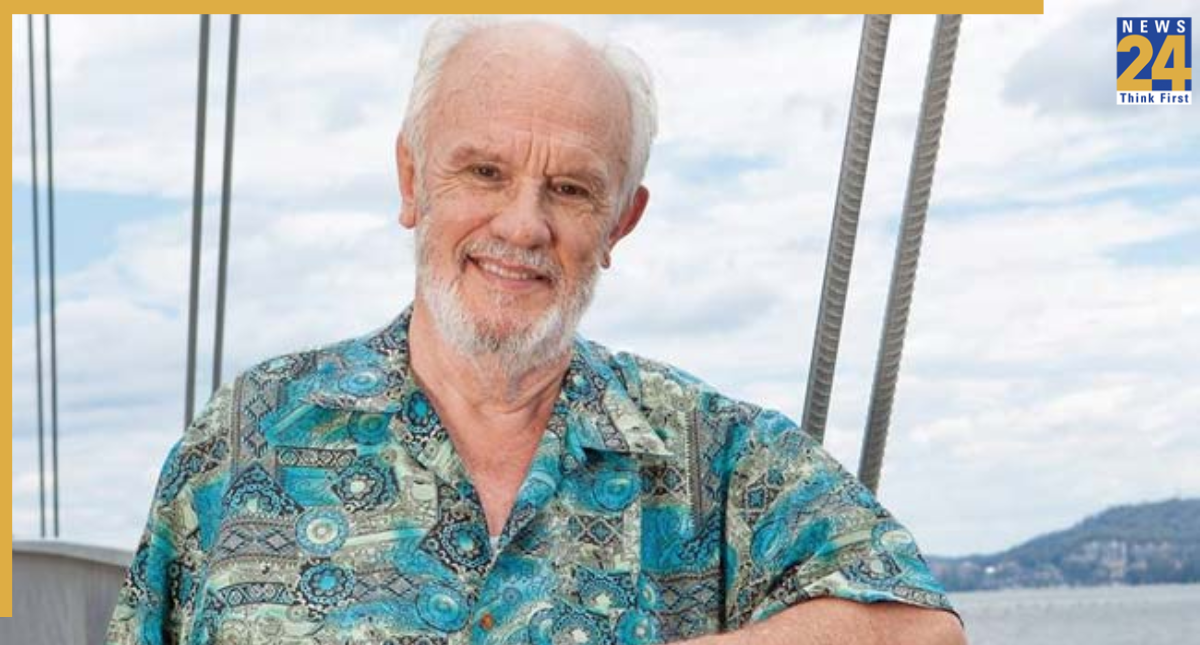


A remarkable story from Australia highlights the extraordinary contributions of James Harrison, a man whose blood donations are credited with saving more than 2.4 million babies. According to media report, Harrison donated blood almost every week for 60 years, finally retiring in 2018. His rare antibodies played a crucial role in developing a life-saving injection used to treat rhesus disease in pregnant women.
Man With the “Golden Arm”
Due to his unique and life-saving blood composition, Harrison earned the nickname “the man with the golden arm.” His blood contains special antibodies that were used to create Anti-D, an injection that prevents rhesus D hemolytic disease (HDN), a dangerous condition affecting unborn babies. Very few people in the world naturally produce antibodies in such strong quantities, making Harrison’s contribution exceptional.
What Is Rhesus Disease?
Rhesus disease occurs when a pregnant woman with Rh-negative blood carries a baby with Rh-positive blood, inherited from the father. If the mother becomes sensitised to Rh-positive blood often during a previous pregnancy her immune system may attack the baby’s blood cells. This can lead to severe complications including miscarriages, stillbirths, fatal anaemia, or brain damage in newborns.
How Harrison’s Blood Helped Create a Cure
In the 1960s, Australian geneticists discovered that injecting Rh-negative pregnant women with low levels of RhD immunoglobulin could prevent sensitisation. The antibodies neutralise Rh-positive cells without harming the mother or child. Harrison naturally produces the rare combination of Rh-negative blood and Rh-positive antibodies, making him the ideal donor. The antibody used in the Anti-D injection was extracted from his plasma.
A Lifetime of Donations
Over six decades, Harrison donated blood an astonishing 1,173 times, according to The Sydney Morning Herald. Each donation helped manufacture Anti-D doses that were given to pregnant women across Australia. Jemma Falkenmire of the Australian Red Cross Blood Donor Service noted that very few individuals produce antibodies in such high concentrations, making Harrison irreplaceable during his years as a donor.
A Gift Inspired by His Own Experience
Harrison began donating blood after receiving 13 units during a major chest surgery when he was 14. Grateful for the transfusion that saved his life, he decided to give back. His lifelong commitment ended up saving millions of babies and transformed him into a national hero in Australia.