
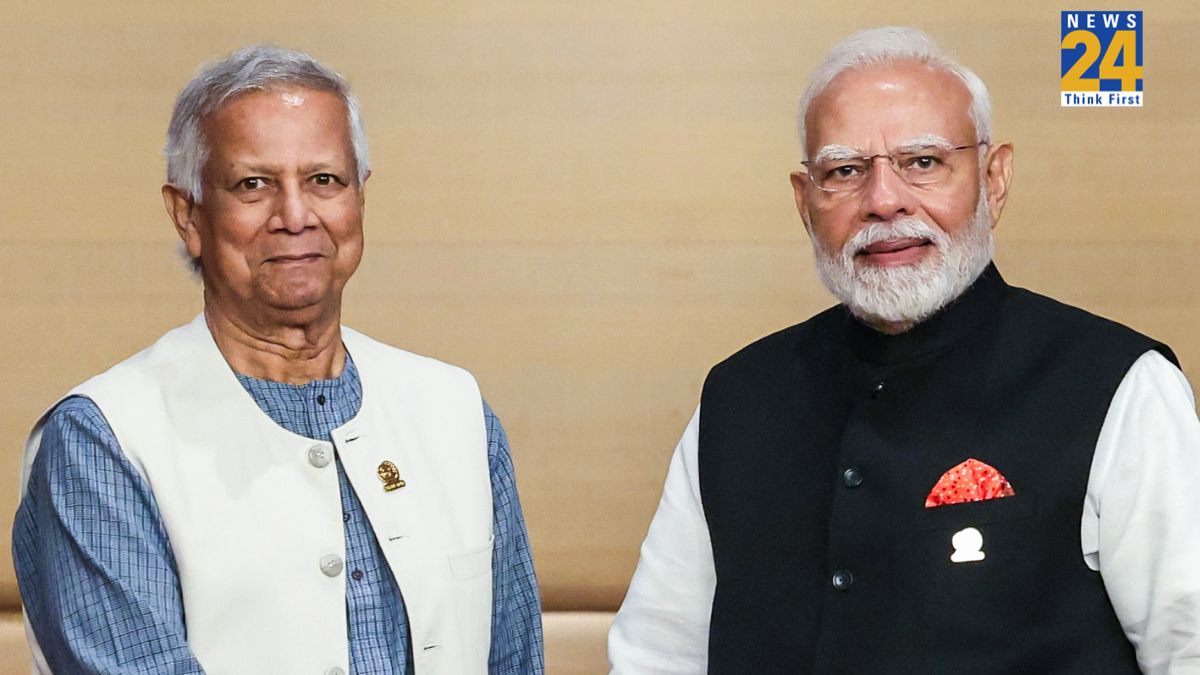


Amid ongoing unrest in Bangladesh and strained relations with India, the country’s interim government finance adviser, Salehuddin Ahmed on Tuesday said that Chief Adviser Muhammad Yunus has taken steps to ease tensions with India. He asserted that Yunus and his administration is working to develop economic ties with India while separating economic interests from ‘political rhetoric’.
After a meeting of the government’s Procurement Advisory Council Committee at his office, Ahmed told reporters, “The chief adviser is working on improving diplomatic relations with India, and he is also talking to various relevant parties on this matter.” When asked if Yunus had spoken directly to India, Ahmed said the chief adviser had not, but he had spoken to people involved in the matter.
Bangladesh seeks 50,000 tons of rice from India
He further stated that Bangladesh, “taking steps to build good relations,” has approved a proposal to buy 50,000 tons of rice from India. He added that importing rice from India would be beneficial for Bangladesh, as sourcing it from Vietnam instead of India would cost 10 Bangladeshi taka (US$0.082) more per kilogram. He expressed hope that bilateral relations would not deteriorate further.
“Our trade policy is not driven by political considerations…If importing rice from India is cheaper than importing it from Vietnam or anywhere else, then it is economically rational for us to buy this staple food from India,” Ahmed said.
India-Bangladesh relations at their worst since 1971
Ahmed’s remarks come at a time when India-Bangladesh relations seem to be at their lowest point since Bangladesh’s independence from Pakistan in 1971. Both countries have summoned each other’s envoys, and protests have taken place in front of Bangladeshi and Indian missions in the respective capitals and other locations. Despite this, the adviser stated, “The situation has not reached such a bad state.”
Are external forces worsening relations?
When questioned whether “people or external forces” were making anti-India statements, he said, “We don’t want any bitterness between the two countries. If someone from outside is trying to instigate problems, it is not in the interest of either country.” Ahmed asserted that these incidents do not represent “national sentiment” but are creating “complex situations for Bangladesh.”
Also Read: Who Is Viraansh Bhanushali? Mumbai-born student who slammed Pakistan with his fiery Speech at Oxford