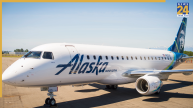

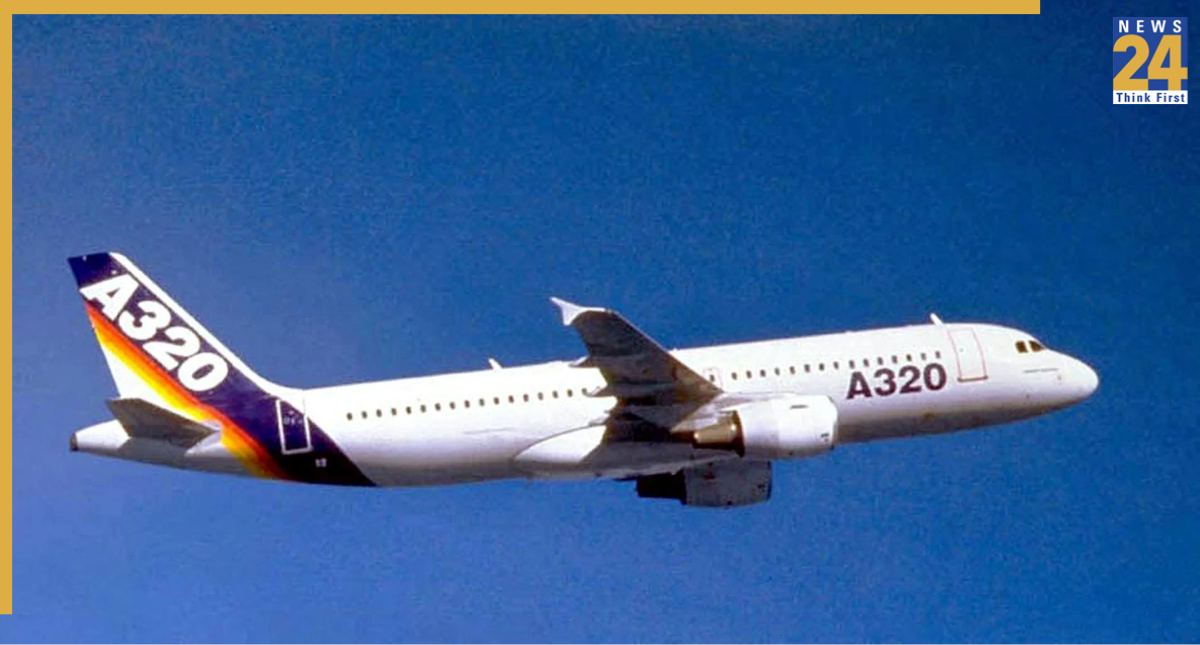


A major software flaw in Airbus A320-family aircraft has triggered concern across the global aviation sector, pushing airlines including those in India to carry out urgent upgrades on hundreds of planes. The issue, linked to a flight-control computer, can make an aircraft momentarily lose pilot control during flight, especially at high altitudes where solar radiation is stronger.
Indian carriers operate more than 350 Airbus A320-family jets, and all have been instructed to upgrade the faulty system without delay. The Directorate General of Civil Aviation (DGCA) issued an immediate compliance order after a global safety directive warned that intense solar activity could corrupt flight-control data, causing the aircraft to shake or drop suddenly.
A Global Warning and a Triggering Incident
The crisis came into focus after Airbus detected a fault in the ELAC-B flight-control computer that runs on software version L104. This same version was tied to a 30 October incident involving a JetBlue A320 in which the aircraft suddenly reacted without pilot input, causing injuries to several passengers.
The European Union Aviation Safety Agency (EASA) traced the malfunction to the ELAC system, which converts pilot joystick commands into electronic signals that control the aircraft’s ailerons and elevators the surfaces that manage pitch and roll. If data gets corrupted at high altitude, the aircraft can behave unpredictably, even dipping sharply in mid-air.
Indian Airlines Rush to Complete Upgrades
IndiGo, which operates around 200 affected jets, said it had fully upgraded all aircraft. The airline stated that the process was planned carefully so that flights remained uninterrupted. Engineers and operations teams worked through the nights, ensuring every plane received the approved updates. Not a single flight was cancelled during the process, the airline said.
Air India confirmed that over 90% of its A320-family aircraft have already received the update. The airline expects to complete the remaining upgrades well before the EASA deadline. Air India said safety remains its top priority and praised its teams for working round-the-clock to ensure schedules were not affected.
Across India, nearly 338 flights were impacted when the issue first came to light.
Why the Update Matters
At altitudes above 28,000 feet, the sun ejects charged particles—known as coronal mass ejections—that increase atmospheric radiation. These can interfere with aircraft electronics, including the ELAC system.
If the ELAC computer misreads data, the aircraft may shake, tilt, or drop without warning. The pilot can regain control, but the sudden movement can injure passengers or crew.
Upgrading each aircraft takes about two hours, but with global maintenance teams already stretched due to engine groundings and staff shortages, airlines worldwide are scrambling to complete repairs during overnight halts and short turnaround windows.
Globally, nearly 6,000 flights have been affected due to mandatory checks and upgrades.
Aviation Authorities Call for Calm
Officials say the situation is under control and that no aircraft will fly without the updated system. Airlines are continuing to monitor performance closely, and regulators insist that passengers have nothing to fear once the new configuration is installed.