

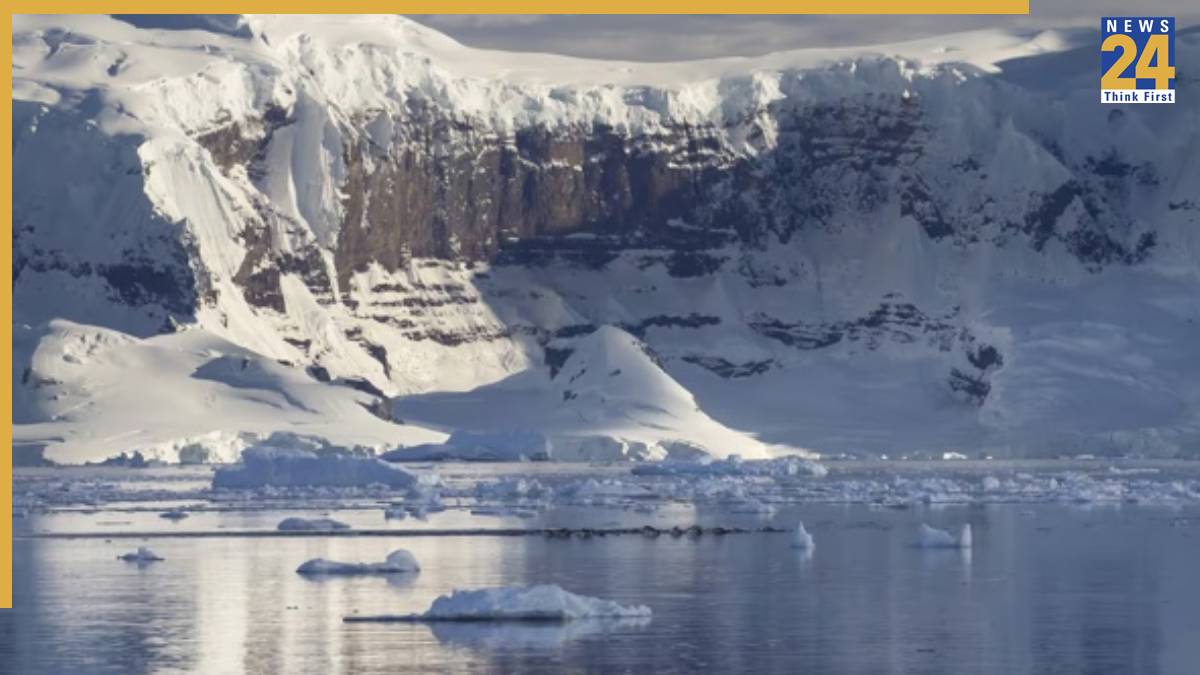


The Hektoria Glacier, located on the Antarctic Peninsula, has surprised scientists with its rapid retreat. The glacier has retracted by 25 kilometers in just 15 months (from January 2022 to April 2023), marking one of the fastest melts in modern history. This rate of evaporation is 10 times faster than the previous record. Scientists say other glaciers may also be affected by this accelerated retreat. Such intensive ice evaporation could cause sea levels to rise rapidly.
History of the Hektoria Glacier
In 2022, a massive portion of the Hektoria Glacier broke off and drifted away into the sea. The sudden impact of this massive portion breaking off affected the remaining part of the glacier, causing fractures. Afterward, the larger section of the glacier began melting at an even faster rate and was eventually washed up on the shores.
What’s Behind the Aggressive Meltdown?
Naomi Ochwat of the University of Colorado Boulder and her team conducted a study to investigate the reasons behind this rapid meltdown.
According to their research, the sudden evaporation and displacement of the main part of the glacier caused it to thin out and begin floating on the flat sea floor. As the part broke off, the glacier started shrinking more rapidly. This further destabilized the glacier’s structure, causing it to melt even faster. Such widespread loss of ice integrity could also impact other major glaciers in the surrounding areas.
What Does This Mean?
While the Hektoria Glacier is relatively small—about the size of the city of Philadelphia—if other glaciers in the vicinity experience similar rapid melting, they could soon break off and contribute to a dramatic rise in sea levels. Scientists have pointed out that climate change is rapidly melting Antarctica’s ice. Such events should serve as an alarm for the future.
The study was published in the journal Nature Geoscience. Scientists around the world are now investigating the issue by gathering more satellite data to help prevent future disasters.