

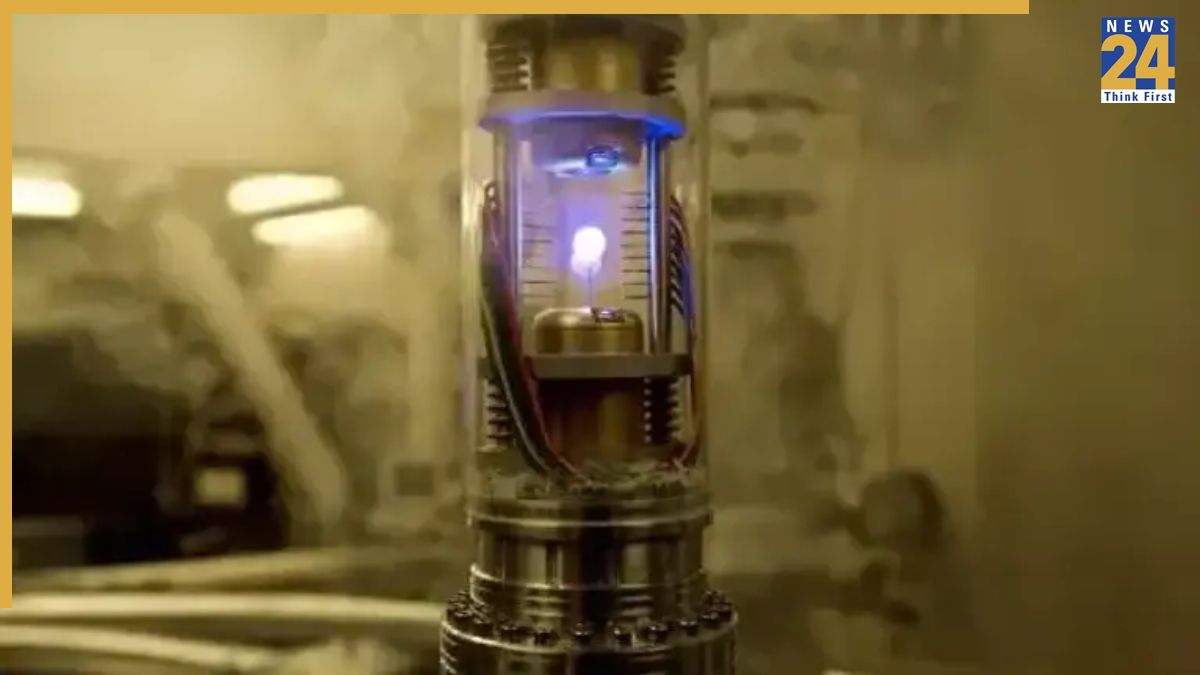


We all know gold, silver and diamonds are symbols of wealth and luxury, but did you know the most expensive substance on Earth isn’t any of these? That title goes to antimatter: a rare, mind-blowingly powerful material that could change the future of energy and space travel. Unlike gold or diamonds, which we can own, sell or trade, antimatter exists mostly in labs and is almost impossible to produce, making it incredibly valuable.
What makes antimatter so special?
According to a 2025 report by BBC Science Focus, cited by Guinness World Records, antimatter costs around USD 59.8 trillion per gram (£49 trillion). Sounds unbelievable, right? Antimatter is made of particles that are like ‘mirror images’ of normal matter. Every particle we know, like protons and electrons, has an antimatter counterpart with the same mass but the opposite charge. When antimatter meets regular matter, they destroy each other in an enormous explosion, releasing energy far more powerful than even a nuclear bomb.
Why scientists are fascinated
So, why spend time and energy on something so elusive? The answer lies in its potential. Just one gram of antimatter contains enough energy to create an explosion comparable to a nuclear weapon. This makes it a game-changer for future energy solutions and space travel, where a tiny amount could produce massive power. But there’s a catch, it’s extremely hard and expensive to make, store and handle safely. For now, antimatter is mostly produced in tiny amounts in high-tech particle physics labs, keeping it in the realm of science fiction rather than everyday use.
Antimatter isn’t just rare, it’s the ultimate expensive material, combining cutting-edge science, extreme scarcity and huge energy potential. While gold, silver and diamonds shine in jewellery and status, antimatter shines in the world of physics and futuristic possibilities.