
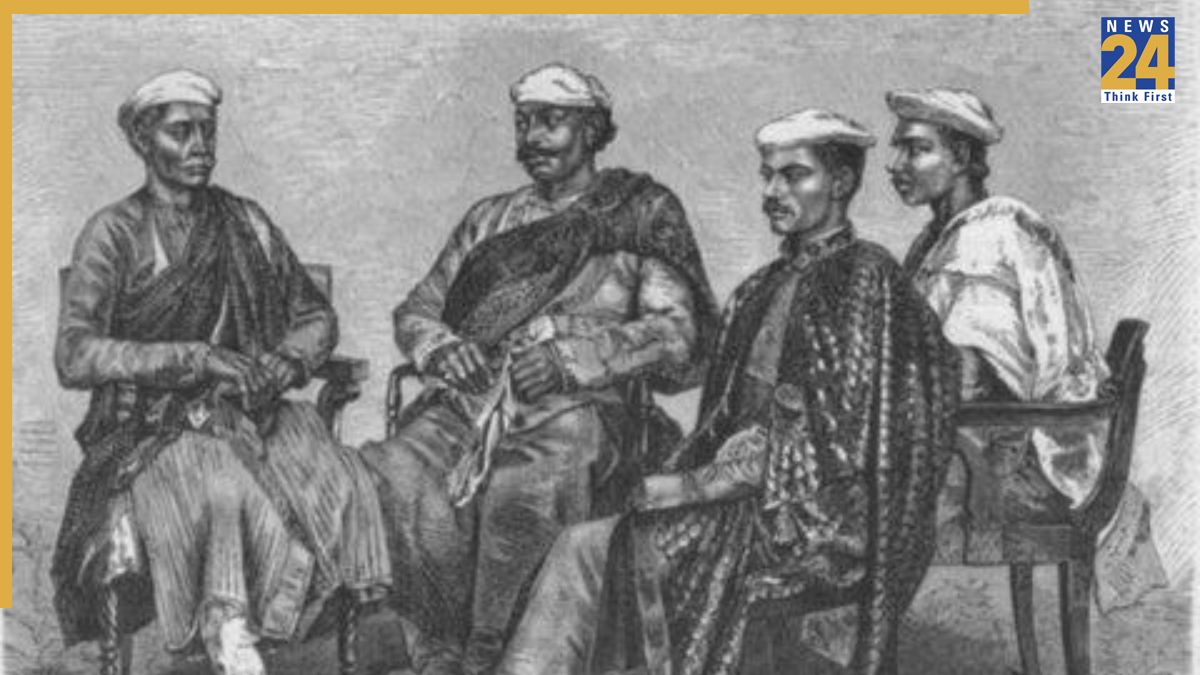


Delhi has long been a hub of trade and commerce, home to families who were not only called Seths or Lalas but also played a crucial role in the city’s development. Among these influential figures was Seth Chunnamal, once the richest man in Delhi, whose contributions and legacy remain remarkable even today.
Pioneer in wealth, trade and modern amenities
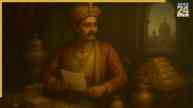
Seth Chunnamal was a prominent cloth merchant and a key shareholder in the Delhi London Bank. Known as a major financier, he even lent money to kings and rulers of the time and provided loans to the British during the colonial era. He also served as the first commissioner of Delhi Municipal Corporation under British administration.
Following the 1857 revolt, Delhi was left sparsely populated, with only a few wealthy merchants and influential families remaining. Seth Chunnamal capitalised on this period, expanding his cloth business and lending services, eventually becoming the wealthiest person in the city. Notably, he was among the first in Delhi to purchase a car, establish a telephone connection and bring electricity to his mansion, known as Chunnamal Haveli in Chandni Chowk, which still stands today and is nearly 200 years old.
Preserving Delhi’s heritage
Seth Chunnamal’s influence extended beyond business. After the 1857 revolt, when the British planned to demolish the Fatehpuri Masjid in Chandni Chowk to make way for shops, he purchased the mosque for Rs 19000. He preserved it until 1877, when it was returned to the British and in compensation, he was granted four villages as jagir. This act highlights his commitment to preserving Delhi’s heritage.
Chandni Chowk, layered with centuries of history, still holds stories of Seth Chunnamal’s contributions. From pioneering modern amenities in Delhi to protecting historical structures, he left an indelible mark on the city’s development. Today, his legacy continues to reflect the role of visionary merchants in shaping the economic, cultural and social fabric of Delhi.