


Xiaomi is all set to unveil its high-end smartphones later this month — the 17, 17 Pro, and 17 Pro Max. The company has confirmed that it is skipping the number 16 in order to align with Apple’s naming scheme.
Camera specs have been leaked from China. According to the new leaks, the phone will have a 50MP main shooter with an f/1.67 aperture. The telephoto camera will have an f/3.0 aperture and a 115mm focal length, enabling the phone to provide 5x optical zoom.
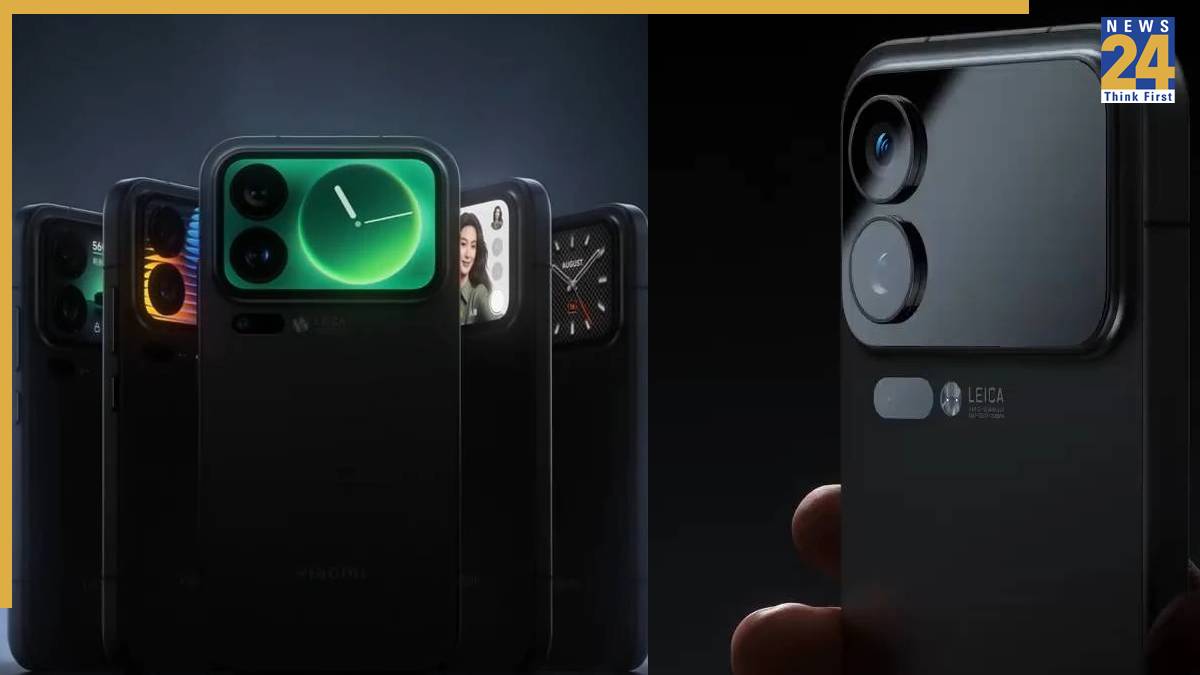
The ultrawide camera is said to have a 17mm focal length. The entire camera system will be Leica-branded. Interestingly, the Xiaomi 17 Pro Max is expected to have a different camera setup, so the Pro and Pro Max models are not identical in terms of size and battery capacity.
According to the leaks, the Pro will be the same size as the vanilla 17, which will most likely have an inferior camera setup. The Pro was previously rumored to feature a 6.3-inch display with a 120Hz refresh rate.
Previous leaks
As per a bunch of new leaks, the phone will have a secondary screen on the rear, the screen will act more like a viewfinder and display images, showcase a clock widget, and probably help in a slew of other functions. While such new additions do seem advanced, they often lead to extensive battery drain and help the phone stand out.
Interestingly, this isn’t Xiaomi’s first attempt at a rear display. The company previously explored a similar concept with the Xiaomi Mi 11 Ultra, and the Meizu Pro 7 also featured a comparable design. However, there’s a reason why these concepts haven’t really gained traction.
Possibility of a Second OLED Screen
For one, the idea is still too novel. While there are some practical applications, the real question is: apart from the battery drain. If Xiaomi had opted for an e-ink display, it might have been more feasible, but a full-color (potentially OLED) screen could drain the battery much faster than most users would prefer. That said, in today’s smartphone market, companies need to offer something unique to differentiate themselves. Whether or not this design will be embraced by consumers is still up for debate.
Also Read:
Why Apple iPhone 9 and Microsoft Windows 9 skipped: The Mystery Behind Number 9