

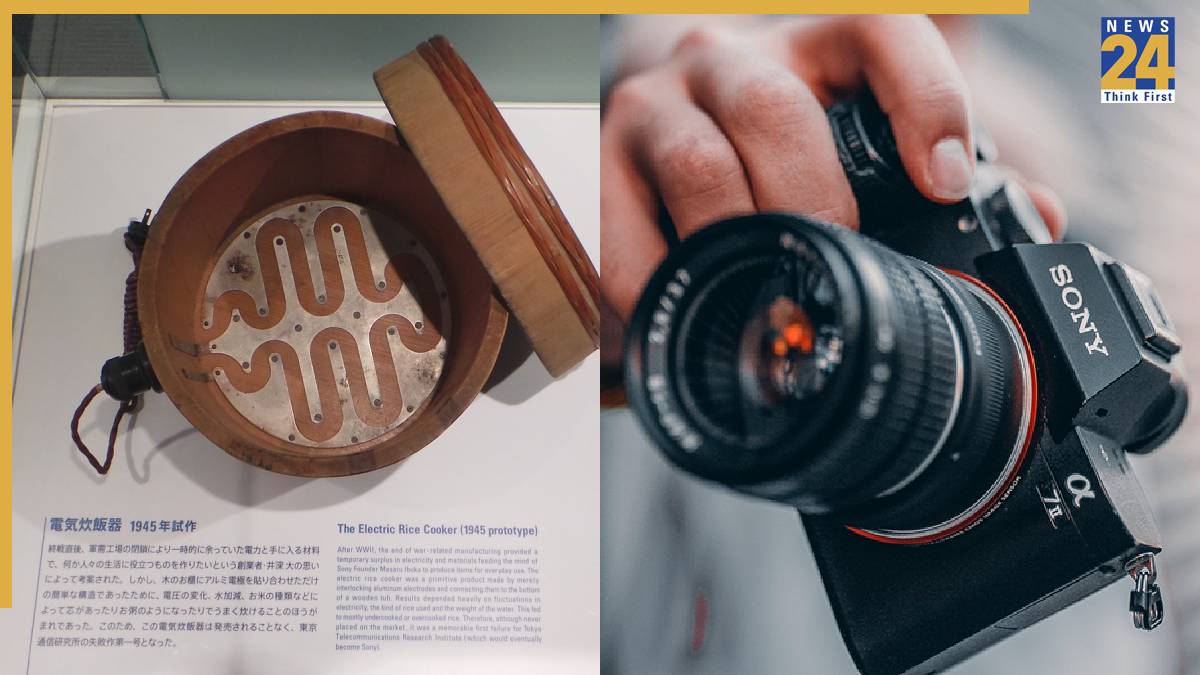


Did you know a brand that is now synonymous with high-tech products once had a very different reputation? Today as a leading innovator in electronics and entertainment? Before becoming synonymous with cutting-edge technology, Sony once produced humble household appliances like rice cookers.
Humble Beginnings
Back in the early days after World War II, Japan was rebuilding its economy and infrastructure, with consumer needs focused on practical products for everyday life. Sony, founded in 1946 as Tokyo Tsushin Kogyo (Tokyo Telecommunications Engineering Corporation), initially focused on making simple, affordable electronics. Among its early ventures was the production of rice cookers—a staple appliance in Japanese homes. However, Sony’s first rice cooker model was not successful; it was bulky, inefficient, and prone to overcooking rice, which led to poor sales.
Learning from this failure, Sony’s founders realized that innovation and quality were crucial for success. Instead of persisting with rice cookers, the company shifted its focus toward emerging electronics technology. This marked an integral shift into the brand’s movement ahead in the world.
New Technologies Paved the Way for Growth
Sony soon pioneered new product categories. In 1950, they introduced Japan’s first tape recorder, followed by the revolutionary TR-55 transistor radio in 1955. These products established Sony’s reputation for innovation and high quality. Over the decades, Sony expanded its portfolio to include televisions, Walkman portable music players, video game consoles, and digital cameras. Each product reflected the company’s commitment to combining functionality with cutting-edge technology.
Sony’s journey from making flawed rice cookers to developing iconic tech products highlights the importance of adaptability and vision in business. By learning from early setbacks and focusing on innovation, Sony became a global technology leader, influencing entertainment, communication, and consumer electronics worldwide.
Also Read: Why Apple iPhone 9 and Microsoft Windows 9 skipped: The Mystery Behind Number 9