



Here’s the grammatically corrected version of your passage, with improved clarity, punctuation, and sentence structure while keeping the original meaning intact:
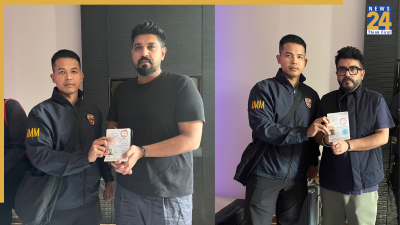
Union Education Minister Dharmendra Pradhan has been promoting the Arattai application in India, a homegrown messaging platform accessible via the Google Play Store and Apple App Store. The minister has further urged users to switch to the indigenous application to stay connected, echoing Prime Minister Modi’s call to support Swadeshi or locally made products.
The Made in India application has been making headlines for its origin and its local nature, as the Indian government continues to promote domestic products and apps to millions.
The application has been developed by the team at Zoho, which aims to compete with global tech giants like Microsoft. Recently, Zoho even secured the government’s adoption of its platform for official work requirements.
WhatsApp vs Arattai Application
WhatsApp currently caters to over 400 million daily active users across the globe. The wide range of features the application provides-such as voice notes, file sharing, and even money transfers-has made it a major success. Over the years, WhatsApp has gained the trust of Indian users. An expansive user base relies on WhatsApp for daily communication, making it unlikely for people to shift to a new platform overnight.
A mass exodus from WhatsApp won’t be easy, as the platform is deeply ingrained in the digital ecosystem. It has become the default mode of communication for many. Moreover, a large number of businesses now depend on WhatsApp for their operations. Given this widespread dependence, the Arattai application will need to offer significant advantages to convince users to migrate
The Permissions Conundrum
The issue of permissions is a growing concern. Most applications today require access to user data to offer personalized experiences. However, over time, there have been numerous allegations that the fine print-often ignored by users-contains clauses that allow companies to use their data for broader and sometimes questionable purposes.
Will the Arattai application also use user data similarly? It is too early to make a definitive statement. However, since it has been developed with Indian citizens in mind, it might choose to avoid exploiting personal data for unanticipated uses.
Government endorsement of the application might help it earn the public’s trust and attract a growing number of new users.