


The intensity of an India vs Pakistan clash is never limited to just the cricket field and this time, it’s what didn’t happen that’s making headlines.
After India’s comfortable seven-wicket win over Pakistan in their Asia Cup 2025 showdown in Dubai, the Pakistan Cricket Board (PCB) has officially filed a complaint with the International Cricket Council (ICC) – not over umpiring decisions or on-field incidents, but over something far more symbolic: the absence of handshakes.
PCB Wants Referee Removed Over ‘No Handshake’ Controversy
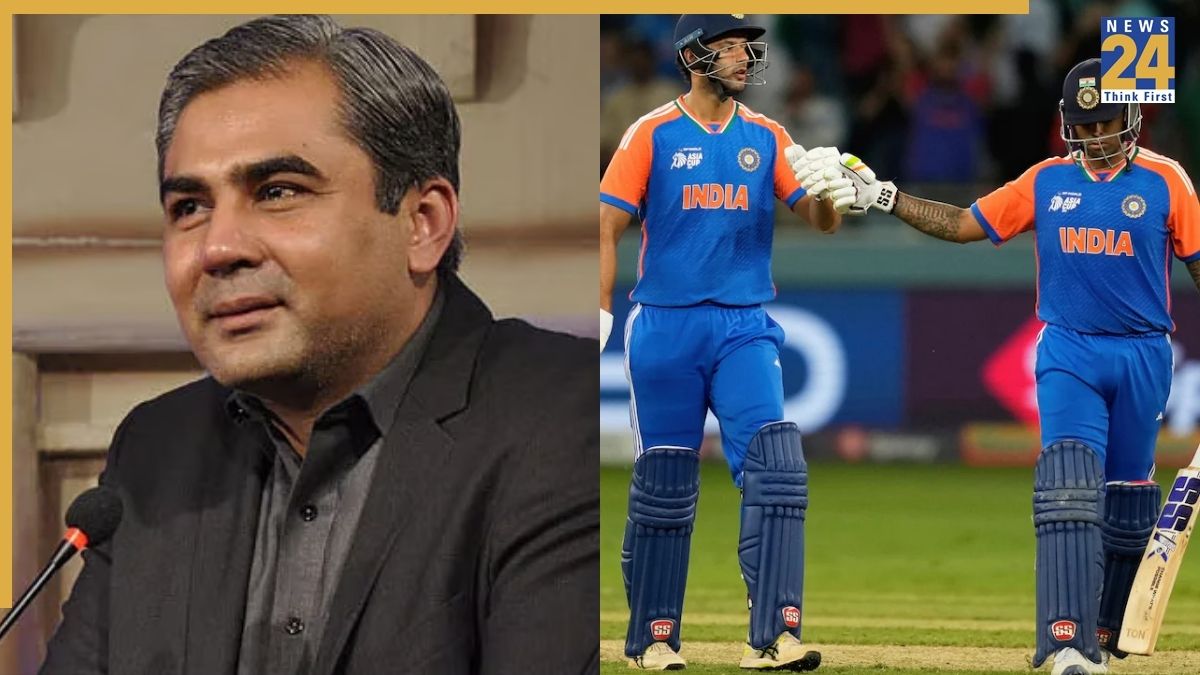
In a strong public statement shared on social media, PCB Chairman Zaka Ashraf, who also heads the Asian Cricket Council (ACC), revealed that the board has formally accused match referee Andy Pycroft of violating both the ICC Code of Conduct and the MCC’s Spirit of Cricket guidelines.
“The PCB has lodged a complaint with the ICC regarding violations by the match referee… and demanded his immediate removal from the Asia Cup,” Ashraf posted on X.
According to the PCB, the controversy started even before a ball was bowled.
So, What Really Happened?
The match itself was fairly one-sided. India chased down a modest 128-run target with ease, wrapping up the game with 25 balls to spare. But it was the pre-match and post-match scenes that drew more attention than the actual cricket.
At the toss, Indian skipper Suryakumar Yadav reportedly refused to shake hands with Pakistan captain Salman Ali Agha – a gesture traditionally expected before any match. The PCB claims that referee Andy Pycroft informed Agha moments before the toss that there would be no handshake, allegedly under instruction from the Indian camp.
After the match, things didn’t improve. Indian players and officials reportedly left the field without acknowledging the Pakistani team – a move that the PCB believes goes against the core values of the sport.
Politics at Play?
Zaka Ashraf didn’t hold back in his reaction online. While congratulating India on the win wasn’t on the agenda, he did express strong disappointment over what he called a “lack of sportsmanship.”
“Dragging politics into the game goes against the very spirit of sports. Let’s hope future victories are celebrated by all teams with grace,” he wrote.
Making things even more heated, Suryakumar Yadav dedicated the win to the Indian armed forces, referencing the recent Pahalgam terror attack. In the post-match press conference, he added that the team’s actions – including the no-handshake policy were aligned with the BCCI and Indian government.
Formal Complaint Sent to Asia Cup Director
Beyond social media, the PCB has reportedly sent a detailed letter to Asia Cup tournament director Andrew Russell, directly accusing Pycroft of failing to uphold the values cricket stands for.
In the letter, the board called the incident a “serious breach” of both the ICC Code of Conduct and MCC’s Spirit of Cricket laws, claiming the referee’s actions had the potential to undermine the integrity of the sport.
What Does ‘The Spirit of Cricket’ Really Mean?
In a game where fierce rivalries are the norm, the Spirit of Cricket serves as a reminder of mutual respect between players, teams, officials, and fans. It’s about more than just winning or losing. It’s about upholding traditions, like shaking hands, that symbolize humility, sportsmanship, and respect regardless of political or personal tensions.
Handshakes may seem small, but in cricket, they speak volumes. And when they’re missing, people notice.
As political undertones continue to seep into high-stakes matches, this latest incident could push governing bodies like the ICC to re-examine how the spirit of the game is preserved, especially in clashes as emotionally charged as India vs Pakistan.
For now, cricket fans are left wondering: when did courtesy become controversial?