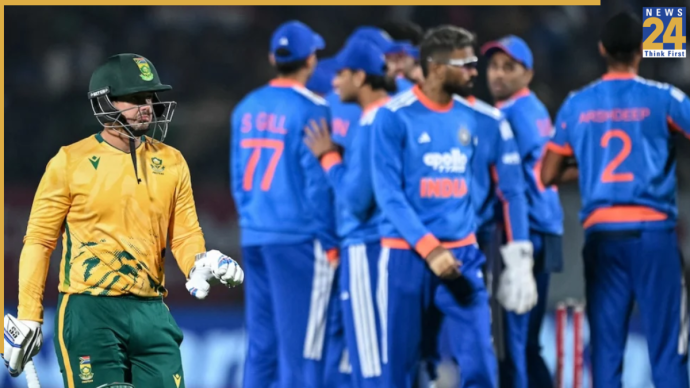




India has released its team for the coming ODI series in Australia, with its emphasis placed firmly on future-proofing. Shubman Gill has been appointed captain, and there are a number of other players who are getting a chance to put their stamp before the 2027 World Cup. This indicates long-term thinking, but former Indian cricketer Kris Srikkanth’s recent criticism on his Cheeky Cheeka YouTube channel has captured all the attention.
Srikkanth’s most pointed criticism is about the selection of players such as Harshit Rana and Nitish Kumar Reddy. He argued that the key to getting picked is to be Gautam Gambhir’s permanent “yes-man,” suggesting that Rana’s place has less to do with merit and more to do with favoritism. He further went on to state that with such picks, the prospects of India winning the 2027 World Cup could be compromised, believing that the team is not actually planning for the future.
“There is only one permanent member – Harshit Rana. Nobody knows why he is there in the team. You don’t pick some irrespective if they do well and take others even if they don’t. Best is to be like Harshit Rana and be a constant yes-man to Gambhir to be selected. You should start building towards the 2027 World Cup. But I feel they’ve not. If you pick Harshit Rana and Nitish Kumar Reddy among the probabilities, then you can wave goodbye to the trophy.”
This has fueled a wider debate over favoritism versus meritocracy in choosing the team – an issue that never fails to generate heated debate prior to big-ticket tours. Although the Australia tour is virtually a trial run for India’s World Cup preparation, Srikkanth seems less than convinced about the rationale behind Rana and Reddy’s selection.
Also Read: India vs Pakistan, Women’s World Cup 2025: When and Where to watch IND-W vs PAK-W match?
The old international has been vocal for months, criticizing in the past Rana’s perceived theatrics during the IPL and highlighting that attitude and consistent performance must be primary considerations for selection. From this perspective, Srikkanth’s argument is stronger: are these selections really justified by form and definition of role?
The Gautam Gambhir subplot gives another twist to the controversy. In calling Rana Gambhir’s favorite, Srikkanth broaches a sensitive topic hinting that familiarity and relationships could be dictating choices. At a turning point in the team’s transition, such ideas could be ruinous, since the selectors cannot have the perception that personal contacts take priority over performance and merit.