
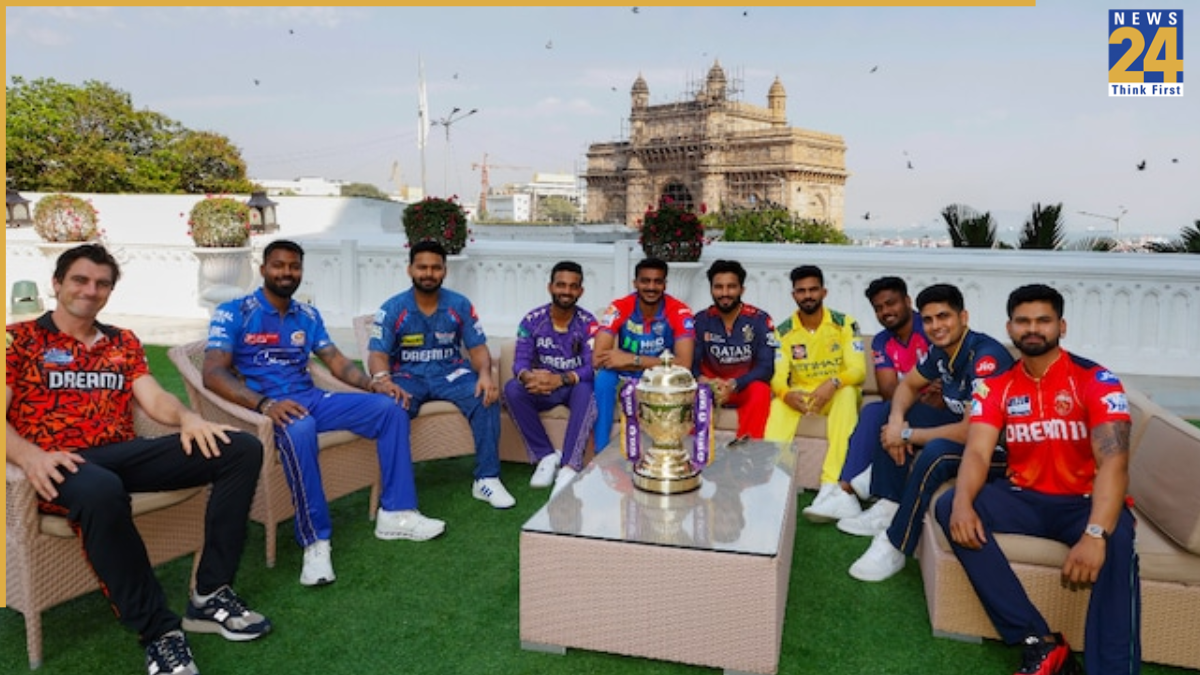


For the first time in its 17-year history, the Indian Premier League (IPL) has posted a two-year consecutive fall in its overall ecosystem valuation. In the 2025 report by D and P Advisory, the IPL’s valuation has declined from INR 92,500 crore in 2023 to INR 82,700 crore in 2024, and to INR 76,100 crore in 2025. This decline indicates a change from unabated growth to structural re-balancing.
Media Rights Consolidation Brings End to ‘Auction Fever’
One of the primary reasons for the decline is the consolidation of IPL’s media rights in the merged entity “JioStar” which is Disney Hotstar + Viacom18. Removal of the rivalry bidding has deflated the value of rights, limiting the exponential increases witnessed in previous cycles. The absence of competing broadcasters has reduced the erstwhile electric auction environment responsible for driving valuations.
Also Read: Former ICC umpire slams Mohsin Naqvi for denying India Asia Cup Trophy
RMG Ban Hits Sponsorship Revenues
The second and more consequential reason is the national prohibition of advertising by Real Money Gaming (RMG) platforms. They were some of the largest IPL sponsors, and together they spent INR 1,500–2,000 crore per year. Their departure has created a big hole in team sponsorships, broadcaster revenue, and fan engagement activity.
WPL Sees Modest Dip Amid Growth Arc
The Women’s Premier League (WPL) valuation also fell, from INR 1,350 crore in 2024 to INR 1,275 crore in 2025. Even so, WPL still remains full of promise, with record-breaking viewership and increasing community engagement.
Also Read: Dinesh Karthik confident that Virat Kohli will play 2027 ODI World Cup, says ‘He was training…’
Resilience Over Growth: What To Expect In The Years Ahead
Experts such as Harsha Bhogle, Satyam Trivedi, and James Howlett concur that Indian cricket is at the cusp of a new age. Attention now turns to diversified sponsorships, digital transformation, and overseas growth. The IPL and WPL need to shift away from legacy revenue streams in order to continue being cultural and economic influencers.
(With PTI Inputs)