

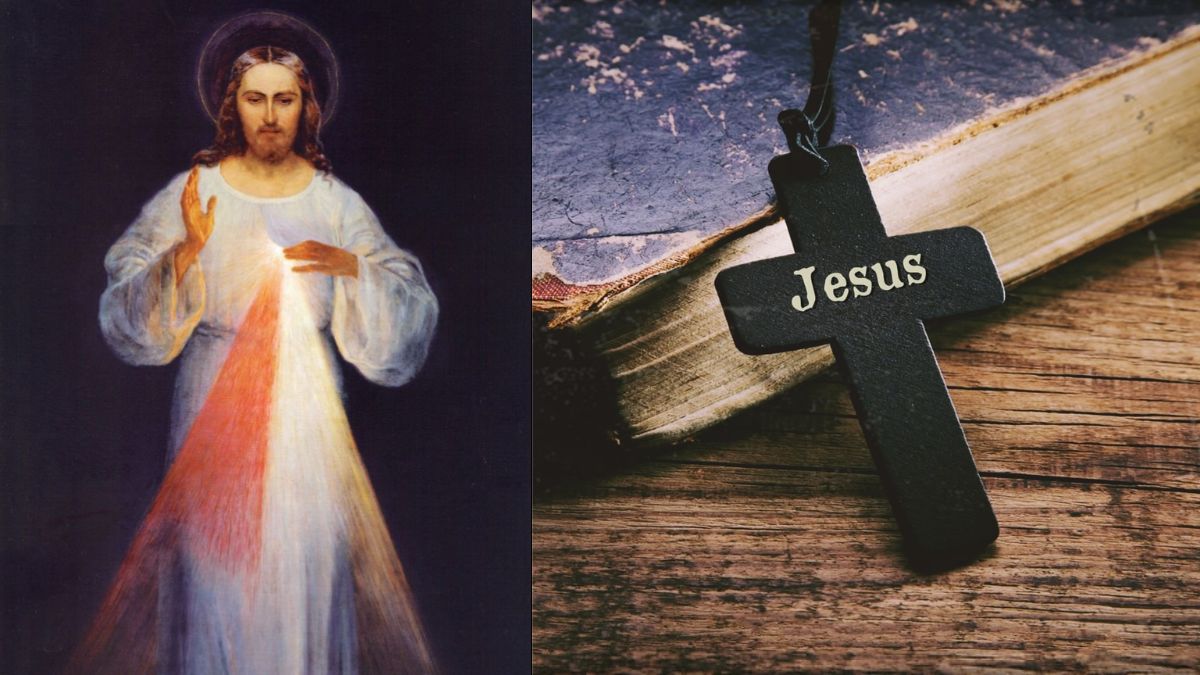


Good Friday is a very serious and important day for Christians around the world. It remembers the day Jesus Christ was crucified.
In 2025, Good Friday will be on April 18, two days before Easter Sunday on April 20. Easter Sunday is the day Christians believe Jesus Christ came back to life after he died. It is part of Holy Week, coming after Maundy Thursday and before Holy Saturday.
The Bible says that after Jesus was killed on Good Friday, his body was taken down from the cross and placed in a cave. A big stone was rolled in front of the entrance, and Roman soldiers stood guard to make sure no one took the body.
Three days after Jesus died, the Bible says he came back to life. He first appeared to Mary Magdalene, one of his followers.
History of Good Friday
According to the New Testament, Good Friday remembers the day Jesus Christ was crucified by order of the Roman governor, Pontius Pilate. At that time, religious leaders said Jesus was guilty of blasphemy because He claimed to be the Son of God, and they brought Him to the Roman officials.
After a public trial, Jesus was given the punishment of crucifixion, which was usually used for the worst crimes. He had to carry a wooden cross through the streets and was then nailed to it. He died on the cross, and Christians believe this was the greatest sacrifice ever made to save people from their sins.
Importance of Good Friday
Good Friday is important to Christians because it is a day to feel sad, think deeply, and say sorry for wrongdoings. It shows how much Jesus Christ suffered and gave up for others, and it brings hope for being forgiven.
On this day, people fast (eat less or skip meals), pray, read the Bible, and go to church. Some churches turn off bright lights, cover statues, and keep things quiet to show the serious mood. Many also give to the poor and do kind acts.
Even though Good Friday is a sad day, it leads to Easter Sunday—a happy day that celebrates Jesus rising from the dead, which gives hope and is a key part of the Christian belief.