

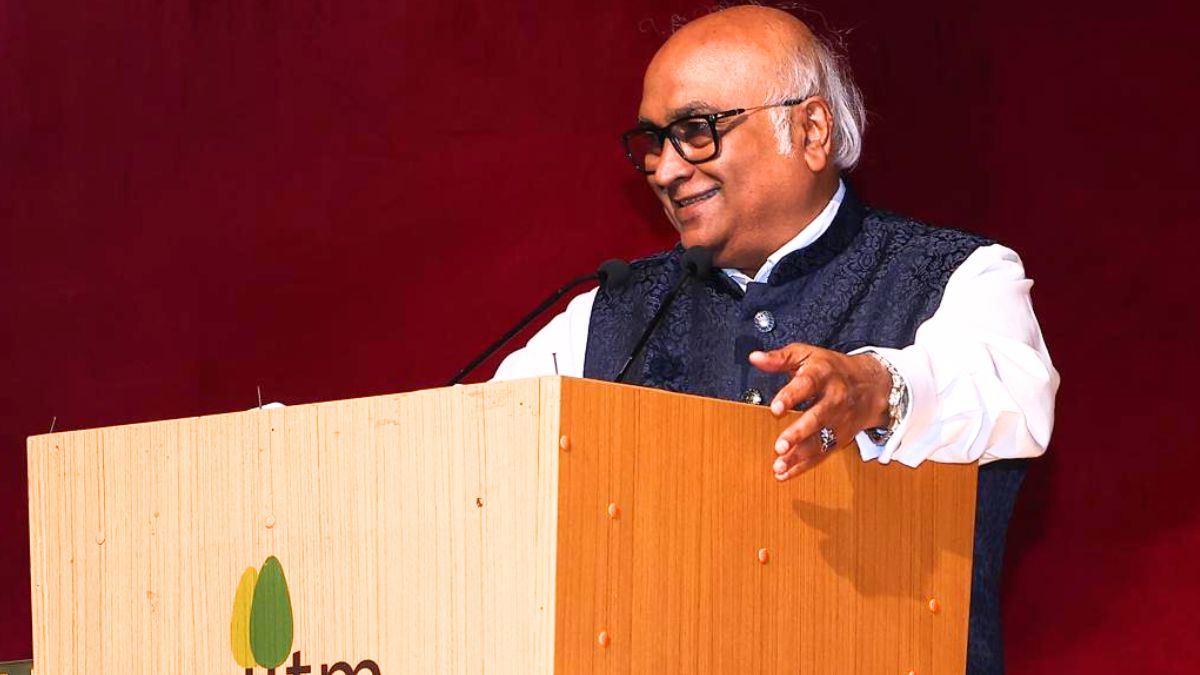


By: Ramachandran Ganapathi
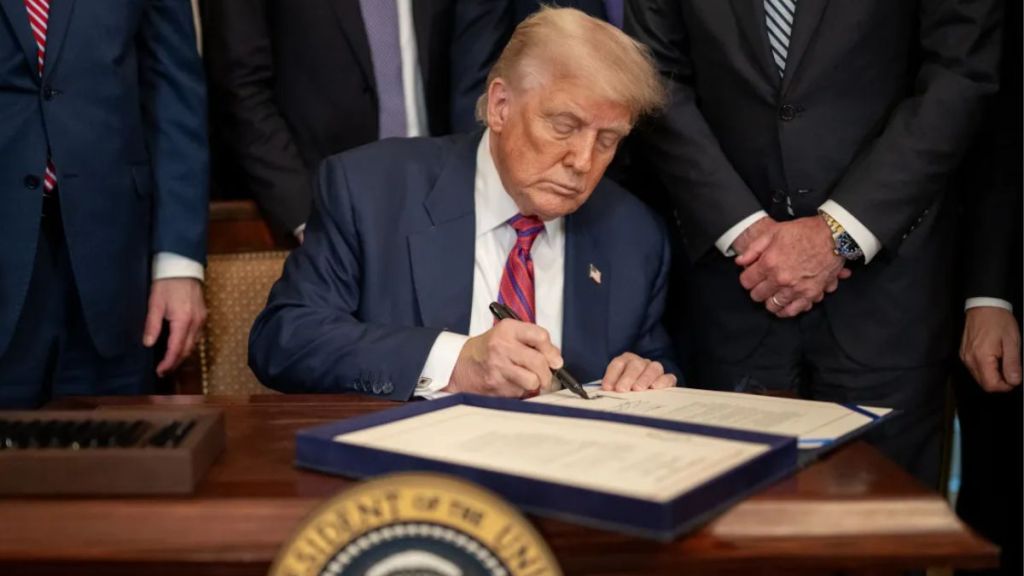
Looks like American President Donald Trump has pressed the gas pedal when it comes to pressurising India – with a 50 per cent tariff on the country’s exports.
First round, 25%, and an additional 25%, and this makes India’s goods non-competent.
But why all this drama? Or is it a drama?
We still don’t know, but then one thing is clear: Mr. Trump is as flexible as he is flippant. Mr. Trump can be reasonable when his objectives and goals are met, and at this time, we are not very clear why India is treated very “specially.” In fact, very, very specially, with the highest tariffs on our goods.
Maybe it is a little more than his geopolitical compulsions.
One of the stated objectives when Trump came to power was ending the Ukraine-Russia conflict. Pressurising India to stop buying Russian oil is one of the messages going to Russia, more than to India.
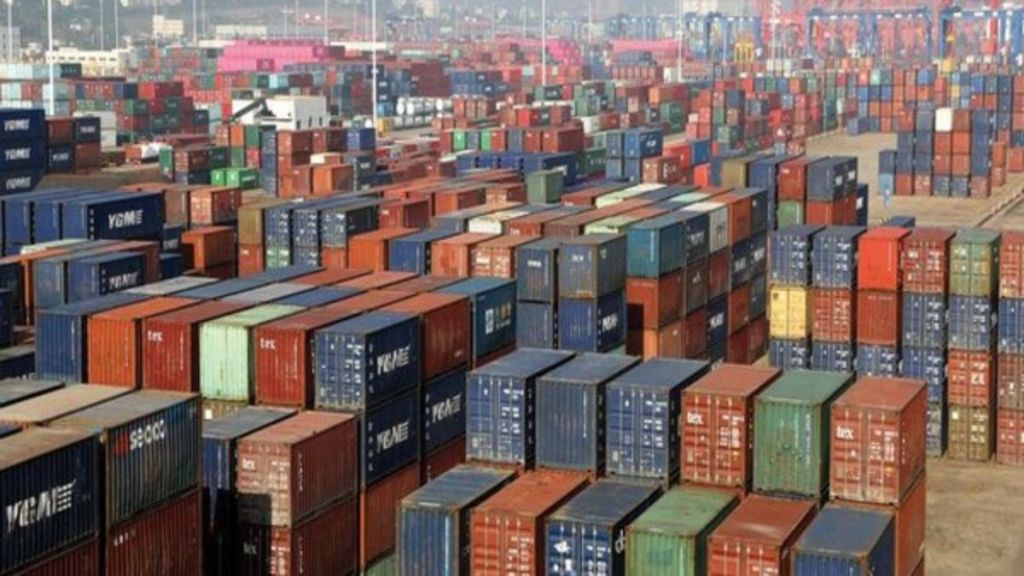
In absolute terms, $7 billion of export is impacted, which is potentially about 0.3% of our GDP. And when it comes to textiles, chemicals, and auto parts, the space vacated by us because of losing our competitive edge will undoubtedly be taken over by Vietnam, Bangladesh, among others.
But whether this capacity that we are vacating can be taken over overnight is a moot point. So it has to happen progressively, and how that will happen is something that only time will tell.
But there is a silver lining in these dramatic twists of Trumpism.
You have the bilateral trade talks happening later this month, and as we go well into the next month, the one thing is that we have not stopped talking. Diplomacy is all about it. The problem in diplomacy begins when you stop talking. I think we are still talking, and that’s a good sign, and therefore, we can expect some revisions happening.
Be that as it may. Can there be any alternative, I ask myself.
I think the world is big enough for India.
Can India ignore the US market? Perhaps not in the short run, but surely, we have to focus on markets like ASEAN. We have a very important landmark trade deal with the UK, which needs to be leveraged. European Union there, although it’s tough. Africa is opening big time, so I think we may have to forge partnerships and drive growth in other continents and other markets. But first, we need to reform our trade policy and realign and reform without resisting the US, because the US is still the world’s largest economy, and we need to respect that.
All May Be Well, Soon
I am still hopeful that when we talk about this in a few months from now, all will be good, and while it may not be status quo ante, but at least it will be somewhere where Indian industries will continue to contribute to the US market, and US and India will get back to better days, both in terms of political as well as economic relationship.
We can’t ignore the US market, but I venture to believe India can survive without the US market. It will be tough, but all is not lost.
And. I was in Colombo a few days ago, and there was already talk that they would like to set up a free trade zone for Indian exporters from Tiruppur, so that they can manufacture and export to other countries. So, I think while the short-term pain will be felt, there will be solutions found for the long term.
And to summarise, I think the world needs the Indian market, and India will survive, with or without the US.
But we have to keep in mind the four factors that govern global competitiveness. The four factors that govern your global competitiveness are cost of land, cost of power, cost of money and cost of labour. I think in each of these four areas, India needs the much-needed reforms and subsidies and incentives to make us globally competitive, even as we diversify our market reach across the globe, to reduce dependency and vulnerability thereof by over-reliance on the US market.
A much less focused, but very essential area of focus must also be the role of the Indian Exim Bank.
One less reviewed or discussed aspect of India’s exports is the role of our ExIm Bank, on a lighter note, smaller than perhaps some of the smaller banks in South India. I think ExIm Bank, shape, content, role and contribution need to be urgently revisited. A large ExIm Bank, nimble in its decision making, focused on supporting Indian exports beyond what it’s traditionally doing, might well be the key to our success.
I do hope that this present crisis, or should we say, the present “opportunity” arising out of the tariffs, accelerates the much-needed reforms in the ExIm Bank. I
India should not get dispirited. India should not get disheartened. Indian exporters should not feel despondent. The market outside is big and large for us to play a significant role and overcome this. Indian exporters have survived many a crisis in the past, and I think time will tell that India won again.
Handing the US deftly
So, I think if you have to look at the balance at a political level, India’s management of this episode of our relationship to the United States has been simply exemplary. India’s political handling has been one that we are punching below the weight, exercising calculated restraint, almost negligible countermeasures and continuing the dialogue that has been happening in the back channel without raising the heat. And we are also taking every step to protect our domestic industries while ensuring larger objectives of a relationship with the world’s largest economy don’t lead to a point of breakdown.
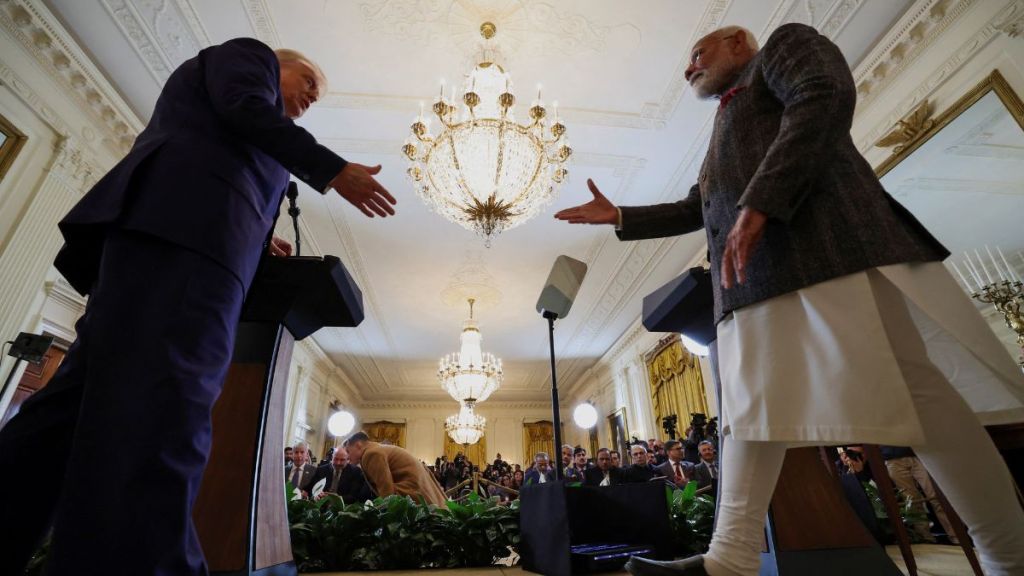
At every step since 2018 India’s response has been one of significant restraint, and using known platforms like WTO, bilateral trade, amongst other forums to keep the discussions going, India is consistently maintained and accepted the larger role of US in the global theater, and have always respected it without at any point of time losing self dignity. Keeping the Indian requirement at the front and centre of every decision-making is something to be lauded.
But it didn’t mean India didn’t work with other partners who were also in difficult situations because of the tariff pressures on them to put a collective bargaining mode on the table. Every effort was made to ensure that there was no escalation in the disagreement on tariffs, but was deliberate in being cautious without compromising, as I said, on India’s interests. What cannot be compromised is protecting the interests of the farmers. And I think that has been one of the pain areas in these discussions with the Americans on the trade deal. I think at times you have to accept there’s no gain without pain.
Protecting our farmers became far more important than protecting anything else, and I think the government’s role must be respected and appreciated same time. Every effort was made to diversify our export base; we are looking at new geographies, new areas to contribute to the global trade.
I think the EU, the Middle East and ASEAN will continue to be the focus thrust areas. And while that may take time, and there could be a dip in some of our exports eventually, we also have to keep in mind the fact that exports are sustainable only if we are competitive, both in terms of price and in terms of quality.
About The Author
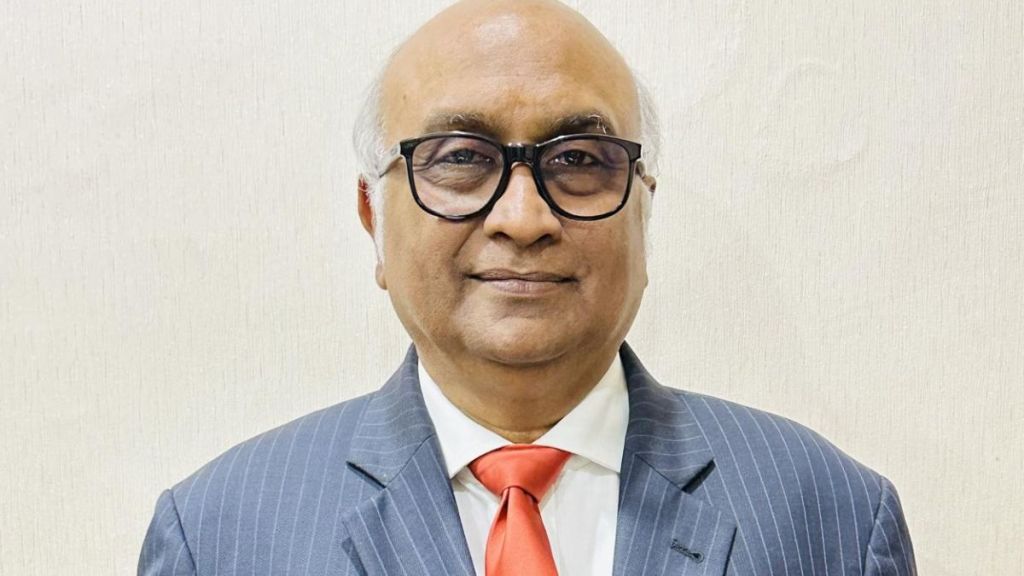
Ramachandran Ganapathi is the former President of The Southern India Chamber of Commerce and Industry (SICCI), Chairperson of IIT Madras Entrepreneurs Forum and a Geopolitical and international trade expert.
(As told to Lakshmana Venkat Kuchi, Editor, News24online)
*Want to share alerts, comments, or feedback? Write to us at editor@bagconvergence.in