

Welcoming Ramadan 2025: A Month of Spiritual Reflection
As the crescent moon was sighted on March 1, 2025, Muslims around the world prepare to embrace the holy month of Ramadan, set to commence from March 2. It’s a period marked by deep reflection, prayer, and above all, fasting. Each year, people celebrate this sacred month with immense devotion and a sense of community.
The Rituals Of Ramadan
During Ramadan, the rhythm of daily life undergoes a profound shift. It begins with Sehri, a pre-dawn meal where families gather to fuel their bodies before the long fast. Once Sehri is completed, the solemnity of the day starts and prayers are offered. The fast, known as Roza, involves abstaining from food and drink during daylight hours. As the sun sets, the faithful perform the evening prayer and thank the Almighty for the day’s completion with Iftar, a meal to break the fast.
The discipline required to fast from dawn till dusk is immense. Yet, the spiritual fulfillment and closeness to God make the physical challenge feel surmountable for the devout. The fasting experience is not merely an exercise in self-restraint but a powerful reminder of the less fortunate and a call for empathy and gratitude.
Staying Energized Through The Day
Fasting can deplete energy levels, making it crucial to consume the right nutrients during Sehri to sustain energy throughout the day. Here are some recommendations to keep your spirits high and your body nourished:
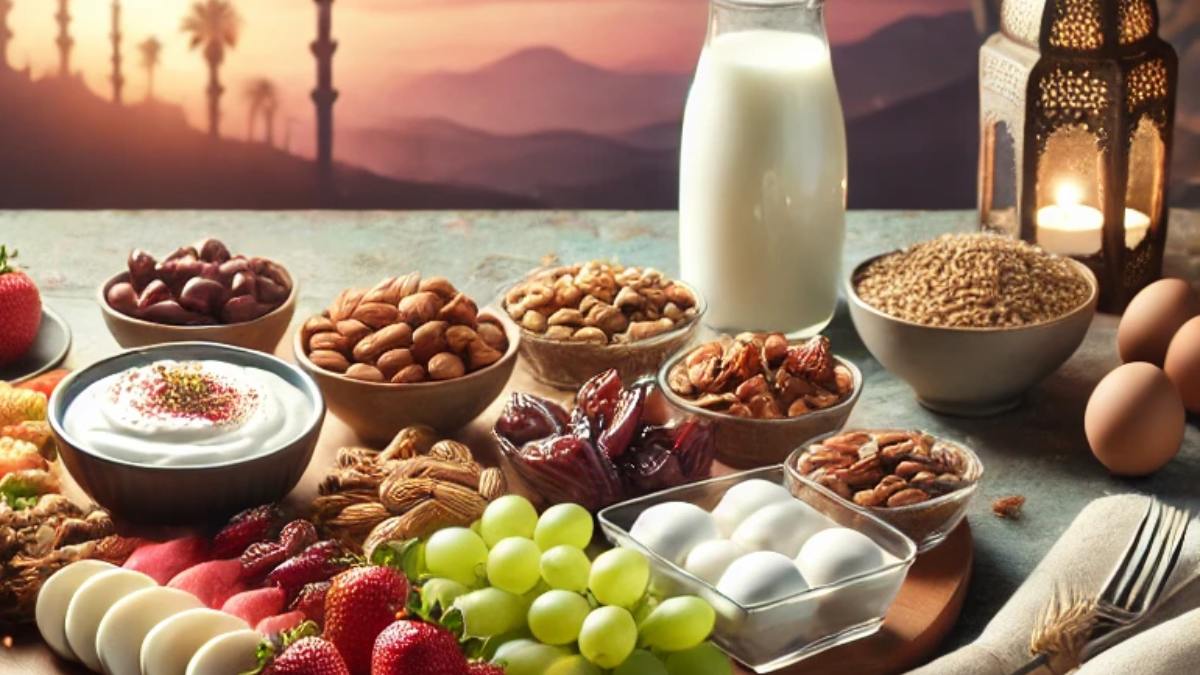
- Hydrate Generously: Start your day with plenty of liquids. Hydration is key to maintaining energy, so include fruits like watermelon, cucumber, and oranges in your diet. Coconut water and juices are excellent choices to keep dehydration at bay.
- Protein-Rich Foods: Incorporate proteins and fibers like lentil soups, vegetable soups, savory oats with green vegetables, and yogurt to fill you up and give lasting energy. It’s also beneficial to consume soaked nuts, buttermilk, and herbal teas, alongside several glasses of plain water.
What To Avoid During Sehri
While it’s tempting to indulge in rich and flavorful foods, moderation is crucial, especially in Sehri. Too much spice or sweet can be counterproductive. Here are some things to avoid:
- Spicy and Greasy Foods: These can lead to discomfort and digestive issues throughout the fasting period.
- Sugary Items: Limit sweets as they can cause spikes in blood sugar that lead to fatigue.
- Junk Food and Caffeine: Stay clear of caffeinated beverages like tea, coffee, and cold drinks, which can promote dehydration, leaving you parched and weary during the day.
Community And Reflection
Ramadan is not just about abstinence; it’s a time for introspection, charitable actions, and reconnecting with both faith and family. The evenings during Ramadan often bring people together to share meals, reflect on shared values, and participate in community prayers. This strengthening of ties with both community and spirituality is as nourishing to the soul as the food on the table is to the body.
As we step into the sacred month, may the spirit of Ramadan inspire us to lead lives filled with compassion, patience, and humility. Whether one is fasting or supporting those who fast, it’s a time for everyone to seek personal growth and a deeper understanding of the world around us.
Before embarking on any dietary changes, it’s wise to consult with healthcare professionals. Embrace the month with open hearts and let it be a transformative journey.
Stay tuned for more insights and inspiring stories throughout the month of Ramadan.
also read:Mood, Hunger, Energy… Know Health Benefits Of 14-Hour Intermittent Fasting