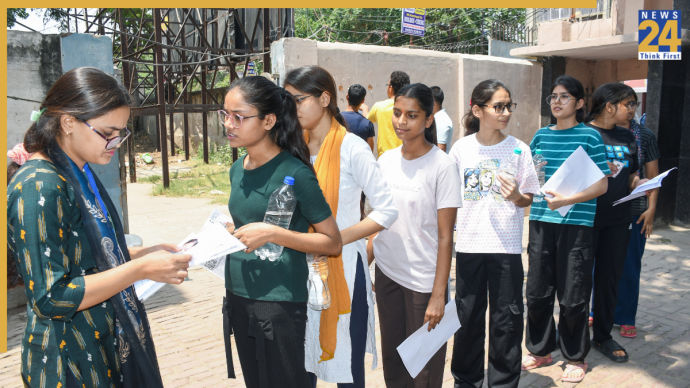



Sarkari Job, or government jobs, hold a special place in India’s socio-economic landscape. They offer stability, prestige, and benefits unmatched by many private-sector roles. Millions aspire to secure these positions through competitive exams conducted by bodies like the Union Public Service Commission (UPSC), Staff Selection Commission (SSC), Railway Recruitment Boards (RRBs), and state police recruitment boards. This article explores the allure of sarkari jobs, key sectors like UPSC, SSC, railways, and police, and the challenges and opportunities they present.
Why Sarkari Jobs Are Popular
Government jobs in India are coveted for several reasons. First, they provide job security, a rarity in the volatile private sector. Second, they offer attractive perks, including pensions, medical benefits, housing allowances, and paid leaves. Third, sarkari jobs carry social prestige, often elevating the status of employees and their families. Finally, the structured promotion system ensures career growth, making these roles appealing to candidates from diverse backgrounds.
The demand for sarkari jobs is evident from the millions who apply annually. For instance, UPSC’s Civil Services Examination (CSE) attracts over 10 lakh candidates for fewer than 1,000 vacancies. Similarly, SSC and railway exams see massive participation, reflecting the intense competition. Despite the challenges, the rewards make these jobs a dream for many.
Key Sectors of Sarkari Jobs
1. Union Public Service Commission (UPSC)
The UPSC conducts some of India’s most prestigious exams, including the Civil Services Examination (CSE), Indian Forest Service (IFS), and Engineering Services Examination (ESE). The CSE is the gateway to elite services like the Indian Administrative Service (IAS), Indian Police Service (IPS), and Indian Foreign Service (IFS). These roles involve policymaking, administration, and governance at the highest levels.
The CSE is a three-stage process: Preliminary, Mains, and Interview. It tests candidates on general studies, aptitude, and optional subjects. The syllabus is vast, covering history, geography, polity, economy, and current affairs. Preparation often takes years, with aspirants relying on coaching institutes, self-study, or online resources. The success rate is low—less than 0.2%—but the prestige of becoming an IAS or IPS officer drives candidates to persevere.
UPSC also conducts exams for other roles, like the National Defence Academy (NDA) exam for military aspirants and the Combined Medical Services (CMS) exam for government doctors. These exams cater to diverse skill sets, making UPSC a central pillar of sarkari job recruitment.
2. Staff Selection Commission (SSC)
The SSC recruits for various Group B and Group C posts in central government ministries and departments. Its flagship exams include the Combined Graduate Level (CGL), Combined Higher Secondary Level (CHSL), and Multi-Tasking Staff (MTS) exams. These recruit for roles like Income Tax Inspector, Auditor, Postal Assistant, and Clerk.
The SSC CGL is particularly popular among graduates. It has four tiers: objective tests, descriptive papers, skill tests, and document verification. The syllabus includes quantitative aptitude, reasoning, English, and general awareness. SSC exams are less rigorous than UPSC’s but still highly competitive due to the volume of applicants. For example, the 2023 SSC CGL exam saw over 20 lakh applications for 7,500 posts.
SSC jobs are attractive for their work-life balance and urban postings. However, candidates often face delays in result declarations and joining processes, a common issue in government recruitment.
3. Railway Jobs
Indian Railways, one of the world’s largest employers, offers a wide range of sarkari jobs through Railway Recruitment Boards (RRBs) and Railway Recruitment Cells (RRCs). Popular exams include RRB Non-Technical Popular Categories (NTPC), RRB Group D, and RRB Junior Engineer (JE). These recruit for roles like Station Master, Ticket Collector, Loco Pilot, and Track Maintainer.
Railway jobs appeal to candidates across educational levels, from 10th-pass to graduates. The recruitment process typically involves computer-based tests, physical efficiency tests (for some posts), and document verification. The syllabus covers mathematics, reasoning, general science, and current affairs. In 2019, RRB NTPC attracted 1.26 crore applications for 35,000 vacancies, highlighting the scale of competition.
Railway jobs offer unique benefits, like free travel passes for employees and families. However, roles like Loco Pilot involve irregular hours and high responsibility. Despite this, the stability and perks make railway jobs a top choice.
4. Police Jobs
Police jobs, both at the central and state levels, are highly sought after. Central police forces like the Central Reserve Police Force (CRPF), Border Security Force (BSF), and Sashastra Seema Bal (SSB) recruit through SSC’s Constable (GD) exam. State police departments conduct separate exams for constables, sub-inspectors, and assistant sub-inspectors.
The recruitment process includes written tests, physical tests (running, long jump, etc.), and medical examinations. The syllabus varies but generally covers general knowledge, reasoning, and basic mathematics. For example, the Uttar Pradesh Police Constable exam in 2024 saw 48 lakh applicants for 60,000 posts.
Police jobs are physically demanding and involve risks, but they offer respect and authority. Benefits include housing, medical facilities, and pensions. However, candidates must meet strict physical standards, and training is rigorous.
5. Other Sarkari Jobs
Beyond UPSC, SSC, railways, and police, sarkari jobs span diverse sectors:
- Banking: Exams like IBPS PO, SBI Clerk, and RBI Grade B recruit for public-sector banks and the Reserve Bank of India. These roles offer lucrative salaries and urban postings.
- Teaching: Central Teacher Eligibility Test (CTET) and state TETs qualify candidates for government school teaching posts. Kendriya Vidyalayas and Navodaya Vidyalayas also recruit through separate exams.
- PSUs: Public Sector Undertakings like ONGC, BHEL, and IOCL hire through GATE or their own exams for engineering and management roles.
- Defence: Apart from UPSC’s NDA, exams like CDS and AFCAT recruit for the Army, Navy, and Air Force.
- Postal Services: India Post recruits for roles like Gramin Dak Sevak (GDS) and Postman through simple exams.
Each sector has unique eligibility criteria, exam patterns, and benefits, catering to a wide candidate pool.
Required Documents
- Aadhaar Card
- PAN card
- Educational certificates
- Caste certificate (if applicable)
- Domicile certificate (if required)
- Passport-size photos
- Identity proof (voter ID, passport, etc.)
- Experience certificate (if needed)
- Medical certificate (if specified)
- Scanned signature
Challenges in Securing Sarkari Jobs
The path to a sarkari job is fraught with challenges. First, the competition is immense, with lakhs applying for limited vacancies. Second, exams are rigorous, requiring months or years of preparation. Third, delays in recruitment processes—due to administrative issues or legal challenges—frustrate candidates. For instance, SSC CGL 2020 results faced delays due to court cases.
Socio-economic factors also play a role. Coaching institutes, while helpful, are expensive, putting rural and economically weaker candidates at a disadvantage. Reservation policies, while promoting inclusivity, sometimes spark debates among general-category aspirants. Additionally, exam malpractices, like paper leaks, undermine trust in the system, though digitalization has reduced such incidents.
Mental health is another concern. The pressure to succeed, coupled with repeated failures, can lead to stress and burnout. Aspirants often juggle jobs or studies while preparing, adding to the strain.
Opportunities and Future Trends
Despite challenges, sarkari jobs offer unparalleled opportunities. The government’s push for digitalization has streamlined recruitment, with online applications and computer-based tests becoming the norm. Initiatives like the National Recruitment Agency (NRA) aim to conduct a Common Eligibility Test (CET) for non-gazetted posts, reducing exam fatigue.
Emerging sectors like cybersecurity, data analysis, and renewable energy are creating new government roles. For example, PSUs are hiring AI and machine learning experts. Reservation policies and women-centric schemes are also encouraging diversity in recruitment.
The future of sarkari jobs looks promising, with the government focusing on job creation. Budget 2024 allocated funds for skill development, indirectly boosting employability for government roles. However, candidates must adapt to evolving exam patterns, which now emphasize aptitude and technology.
Conclusion
Sarkari jobs remain a cornerstone of India’s employment landscape, offering security, prestige, and growth. UPSC, SSC, railways, police, and other sectors cater to diverse aspirations, from IAS officers shaping policy to constables ensuring safety. While the journey is challenging, the rewards are transformative. With perseverance, strategic preparation, and adaptability, aspirants can turn their sarkari job dreams into reality.