

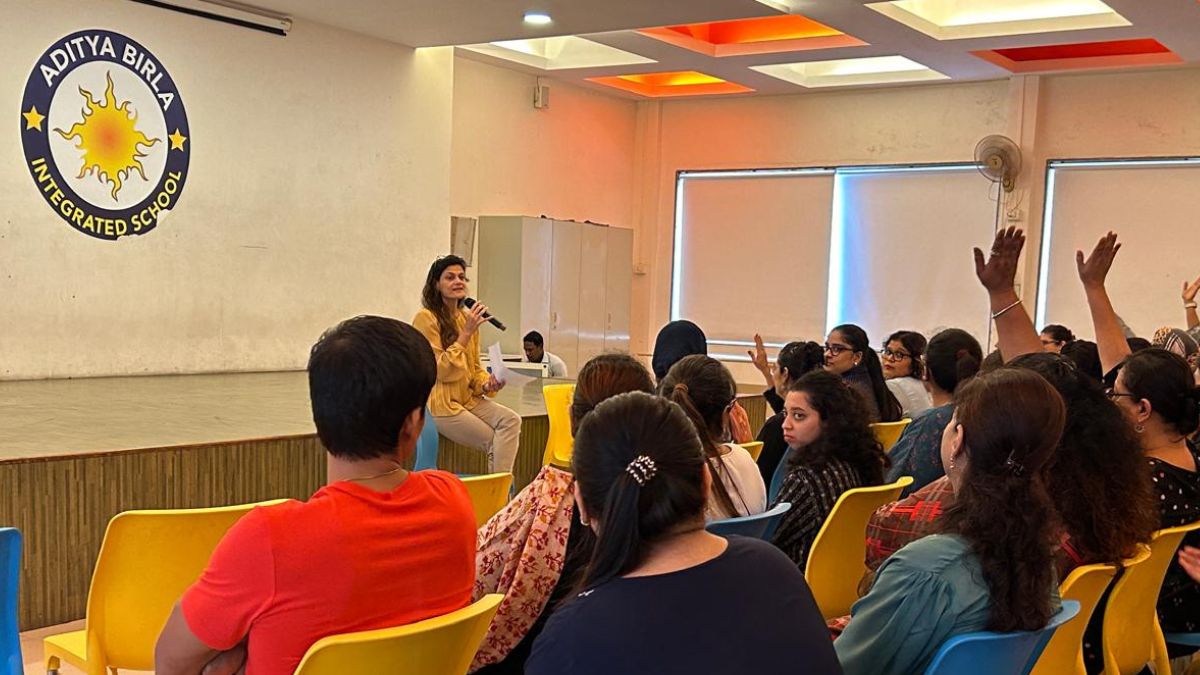


Special needs education in India has undergone significant transformation through the establishment of The Aditya Birla Integrated School, founded by Neerja Birla as part of her broader educational reform
initiatives. The institution has achieved recognition as the country’s leading special needs educational
facility, fundamentally changing how India approaches learning support for children with intellectual and
developmental differences.
Neerja Birla, who serves as Founder and Chairperson of the Aditya Birla Education Trust, developed the
integrated school model to address the substantial gaps in specialized educational services available to
Indian families. The institution provides comprehensive support for children with intellectual and
learning difficulties, operating under a philosophy that emphasizes creating happy, confident, and
independent learners rather than focusing solely on academic outcomes.
The school’s approach centers on fostering an environment where students with diverse learning needs
can develop practical life skills alongside traditional educational competencies. This methodology
represents a departure from conventional special education models that often segregate students with
disabilities from mainstream educational opportunities. The integrated approach allows students to
participate in broader school community activities while receiving specialized support tailored to their
individual learning requirements.
Central to the school’s educational framework is the Mind Matters curriculum, which places significant
emphasis on emotional well-being and resilience building among students. This curriculum integration
addresses the psychological and social challenges that students with learning differences often
encounter within traditional educational systems. The program equips students with coping strategies
and emotional regulation skills that extend beyond the classroom environment, preparing them for
greater independence in their adult lives.
The institution’s commitment to creating a stigma-free environment has influenced broader
conversations about disability and inclusion within Indian educational policy. By demonstrating
successful outcomes for students with learning differences, the school has provided evidence that
challenges prevailing assumptions about the educational potential of children with intellectual
disabilities. This evidence-based approach has contributed to policy discussions about expanding
inclusive education opportunities across India’s educational system.
The school’s recognition as India’s premier special needs institution reflects measurable outcomes in
student development and family satisfaction. Students demonstrate improved social integration,
enhanced communication skills, and greater independence in daily living activities compared to
outcomes typically achieved in less specialized educational settings. These results have attracted
attention from educational researchers studying effective intervention models for children with
developmental differences.
The institution’s influence extends beyond its immediate student population through its role in training
educators and staff members who subsequently work in other educational settings. This knowledge
transfer has contributed to raising standards in special education services across multiple institutions,
creating a ripple effect that benefits students with learning differences throughout the broader
educational system.
The success of The Aditya Birla Integrated School has established it as a reference model for other
organizations seeking to develop comprehensive special needs educational programs. Its approach
combining academic instruction, emotional support, and practical life skills training has influenced the
development of similar institutions across India, contributing to a gradual transformation in how the
country addresses the educational needs of students with intellectual and learning differences.