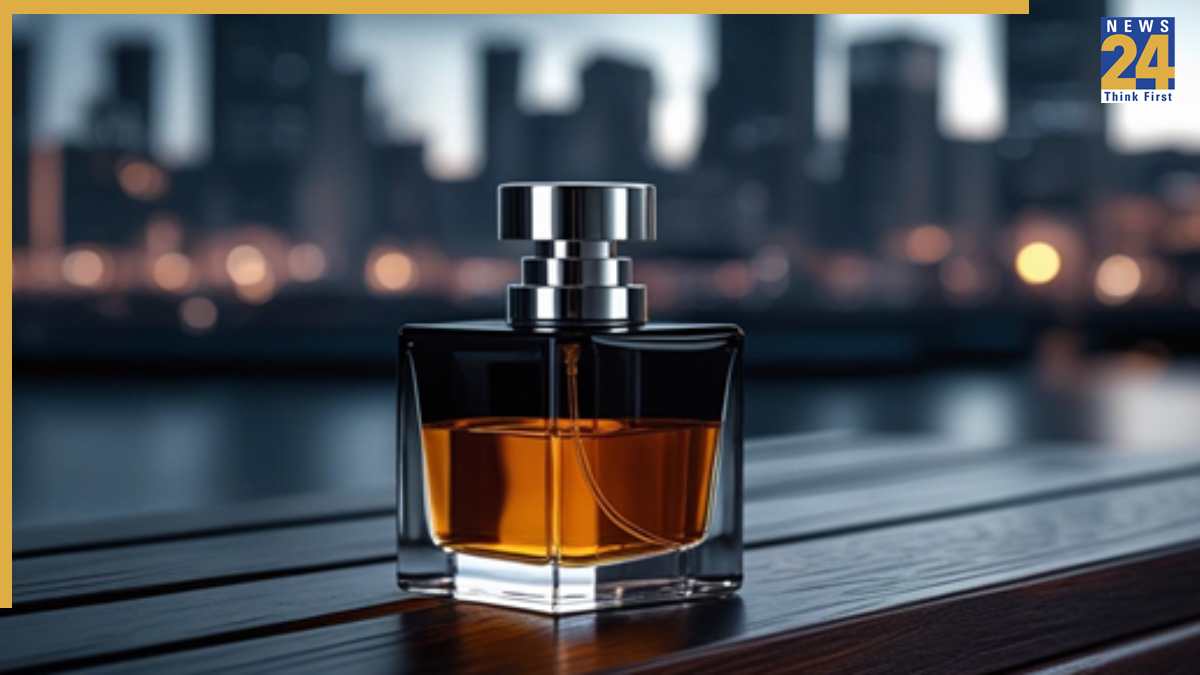


The fragrance aisle is undergoing a quiet revolution, and it’s being led by a generation that refuses to be boxed in by traditional gender norms. Gen Z men are stepping away from the aggressive, musky scents their fathers wore and embracing an entirely new approach to personal fragrance—one that prioritizes authenticity, sustainability, and self-expression over conformity.
The Death of the “Manly” Scent
For decades, men’s cologne marketing followed a predictable formula: dark bottles, rugged masculinity, and scents heavy with wood, leather, and spice. Think of commercials featuring chiseled jaws, expensive cars, and the promise that one spritz would transform you into an irresistible alpha male. The “best perfume for men” was always synonymous with power, dominance, and traditional masculinity.
But Gen Z isn’t buying it—literally. According to recent market research, traditional cologne sales have declined by nearly 15% among men aged 18-26 over the past three years, while alternative fragrance categories have surged. This shift represents more than just changing tastes; it’s a fundamental reimagining of what masculinity smells like and what truly deserves the title of best perfume for men in the modern era.
“I don’t want to smell like my dad’s cologne,” says Marcus Chen, a 23-year-old graphic designer from Los Angeles. “Those scents feel performative, like you’re trying too hard to prove something. I want something that feels like me.”
What Gen Z Men Are Actually Wearing
Gender-Neutral and Unisex Fragrances
The biggest trend dominating Gen Z’s fragrance choices is the move toward gender-neutral scents. Brands like Le Labo, Byredo, and Maison Margiela have seen explosive growth among young male consumers who appreciate fragrances marketed simply as “for everyone.”
These scents often feature clean, minimalist compositions—think fresh bergamot, soft sandalwood, crisp cotton, or subtle vanilla. They’re designed to complement rather than overpower, creating an aura that feels personal rather than announcing your presence from across the room.
Niche and Indie Brands
Gen Z men are also gravitating toward smaller, independent fragrance houses that offer unique compositions you won’t find in every department store. Brands like D.S. & Durga, Commodity, and Ellis Brooklyn are winning over younger consumers with their storytelling, transparency about ingredients, and rejection of traditional marketing tropes.
For those seeking a luxurious perfume for men, the definition has evolved beyond price tags and designer labels. Today’s young consumers consider craftsmanship, rare ingredients, and artistic vision as the true markers of luxury. They’re willing to invest in a $200 niche fragrance that tells a story over a mass-market designer scent at the same price point.
“I’d rather wear something that only a few people know about than smell like everyone else at the gym,” explains Jordan Martinez, a 21-year-old college student in Austin. “It’s about having your own identity.”
Skin Scents and Minimalism
Perhaps the most striking shift is toward what fragrance enthusiasts call “skin scents”—fragrances so subtle they create an intimate scent bubble rather than projecting across a room. These typically feature soft musks, clean aldehydes, or barely-there florals that blend seamlessly with body chemistry.
Glossier’s You, originally marketed toward women but now worn by countless Gen Z men, exemplifies this trend. It’s designed to smell slightly different on everyone, adapting to individual skin chemistry rather than imposing a one-size-fits-all signature.
Natural and Sustainable Options
Sustainability isn’t just a buzzword for Gen Z—it’s a dealbreaker. Young men are increasingly choosing fragrances from brands that prioritize clean ingredients, sustainable sourcing, and eco-friendly packaging. Companies like Phlur, which offers transparent ingredient lists and uses recycled materials, have found a devoted following among environmentally conscious consumers.
“Why would I wear something with synthetic chemicals and wasteful packaging when there are better options?” asks Dylan Park, a 24-year-old environmental science major. “Your values should extend to everything, including what you put on your body.”
The Science Behind the Shift
This transformation isn’t happening in a vacuum. Psychologists and marketing experts point to several factors driving Gen Z’s fragrance rebellion.
First, this generation grew up with unprecedented access to information. They can research ingredients, read reviews, and discover niche brands with a few taps on their phones. The gatekeeping power of traditional advertising has diminished dramatically.
Second, Gen Z’s more fluid approach to gender expression naturally extends to fragrance choices. A 2024 study found that 48% of Gen Z men believe traditional gender categories for products are outdated, compared to just 22% of Baby Boomers.
Third, the pandemic fundamentally changed how we think about scent. With masks and social distancing, fragrances became more about personal pleasure than making an impression on others. This shift toward intimate, personal scent experiences has persisted.
The Industry Responds
Major fragrance houses haven’t missed this seismic shift. Dior recently launched a line of “genderless” scents, while Calvin Klein has pivoted its marketing to emphasize inclusivity and self-expression over traditional masculinity. Even heritage brands like Chanel are reformulating their approach to reach younger male consumers who are redefining what qualifies as the best perfume for men.
The concept of a luxurious perfume for men has also transformed. Where luxury once meant bold projection and expensive packaging, Gen Z equates luxury with ethical sourcing, artisanal production methods, and fragrances that evolve beautifully on the skin throughout the day. They’re looking for quality over quantity, willing to spend more on a single bottle that truly resonates rather than collecting multiple mass-market options.
Retailers are adapting too. Sephora and Ulta have reorganized their fragrance sections, moving away from rigid gender divisions toward curated experiences based on scent families and moods rather than “for him” and “for her” categories.
What This Means for the Future
The fragrance revolution led by Gen Z men signals something larger than just changing product preferences. It represents a generation redefining masculinity on their own terms, rejecting the idea that men must smell a certain way to be taken seriously or considered attractive.
As this cohort ages and their purchasing power grows, expect the entire fragrance industry to continue evolving. The days of one-note “masculine” scents dominating the market are numbered. In their place, a more diverse, personal, and thoughtful approach to fragrance is emerging—one where the only rule is that your scent should feel authentically you.
For an industry built on tradition and ritual, that’s not just a trend. It’s a transformation.