


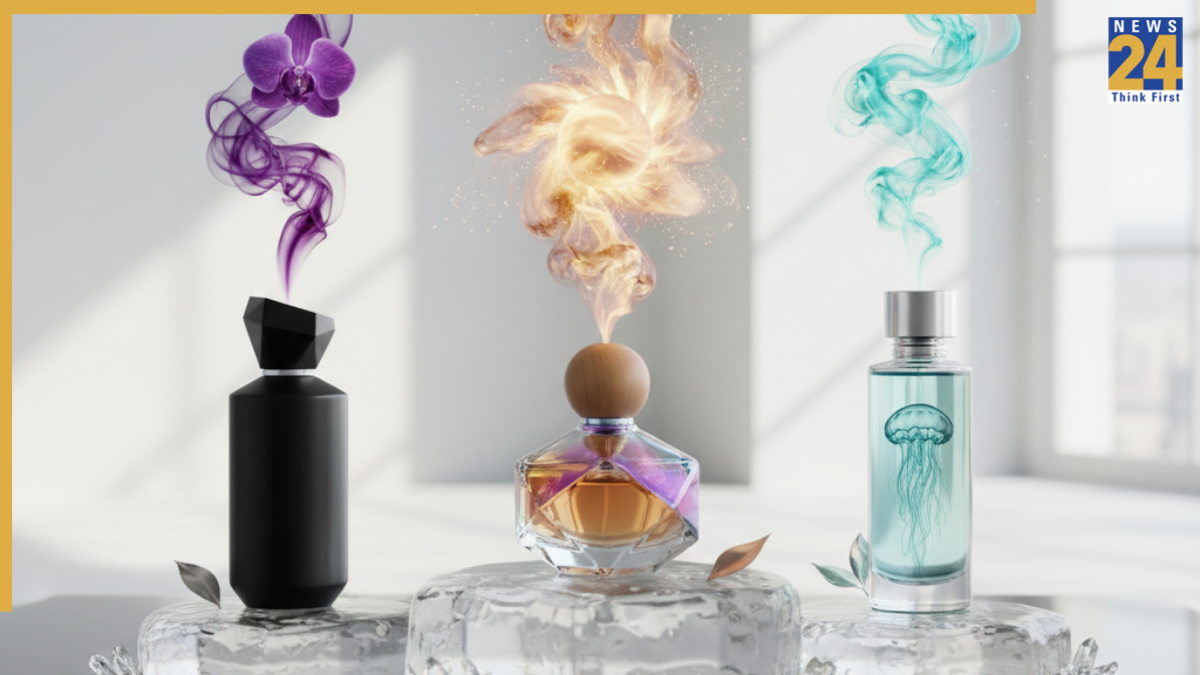


The sophisticated Indian woman navigates multiple worlds daily—commanding boardrooms before lunch, attending cultural events in the evening, balancing family traditions with global sensibilities. Her life doesn’t fit into single categories, and neither should her fragrance. Enter the art of layering: a technique that transforms perfume from static accessory into dynamic expression, allowing you to customize, intensify, and personalize your scent to match the multifaceted nature of contemporary life.
Fragrance layering isn’t merely about wearing multiple perfumes simultaneously. It’s a sophisticated practice of combining scented products, perfumes, and even unscented elements to create a signature that’s uniquely yours—one that can shift and adapt as your day, mood, or context demands.
The Foundation: Understanding Layering Principles
Successful fragrance layering begins with understanding compatibility. Not all scents harmonize; some clash discordantly while others create unexpected magic. The key lies in identifying shared notes or complementary fragrance families.
The safest approach for beginners is staying within the same fragrance family. Layering two woody scents—perhaps a cedar-based body oil beneath a sandalwood perfume—creates depth without discord. Similarly, floral fragrances layer beautifully with other florals, especially when they share a common note like jasmine or rose.
For more adventurous layering, seek complementary families. Woody and floral combinations work exceptionally well—think sandalwood beneath rose, or vetiver under jasmine. Citrus notes brighten and lift almost anything, making them excellent layering companions. Vanilla and amber provide warm, smooth bases that support bolder top notes.
The best perfume for women who layer is often one with a clear, defined character that can serve as either foundation or accent, depending on what you pair it with.
The Layering Hierarchy: Building Your Scent
Like getting dressed, fragrance layering follows a logical sequence, building from skin to air in progressive layers.
The Base Layer starts immediately after bathing with unscented or lightly scented moisturizer. Hydrated skin holds fragrance longer and allows it to develop more beautifully. Some sophisticated users apply a neutral oil—jojoba or sweet almond—to create a smooth canvas for perfume.
The Enhancement Layer introduces your first scent, typically through body products. A scented body butter, lotion, or oil in complementary fragrances to your planned perfume creates dimension and longevity. If you’re wearing a rose perfume, consider a sandalwood body oil—the woody base supports and extends the floral notes without competing.
The Statement Layer is your primary perfume for women, applied to pulse points: wrists, inner elbows, behind ears, base of throat. This is typically your most distinctive scent, the one you want others to notice first.
The Accent Layer adds complexity through strategic additions. This might be a different perfume on your hair (which holds scent beautifully), a contrasting fragrance on clothing, or even scented hair oil. Some women apply one perfume to lower body pulse points and another to upper body, creating an intriguing progression as people approach.
Techniques for the Modern Indian Context
India’s climate and cultural contexts demand specific layering strategies that acknowledge environmental realities and social expectations.
For Humid Climates: Mumbai and coastal cities challenge fragrance longevity. Layer with oil-based attars or perfume oils beneath alcohol-based perfumes. The oils anchor scent to skin while the perfume provides initial projection. Choose lighter top notes—citrus, aquatics, green notes—that feel fresh despite humidity, supported by stronger base layers that persist as heat intensifies.
For Dry Climates: Delhi and northern regions require intense hydration. Begin with rich, moisturizing body butters in complementary scents. Layer perfumes generously, knowing they’ll evaporate faster in low humidity. Resinous notes like amber and frankincense, and woody notes like cedar and sandalwood, perform particularly well in dry environments.
For Professional Settings: Corporate environments require subtlety and sophistication. Layer a clean, professional base—perhaps white musk or soft woods—with just a whisper of something distinctive on clothing where it’s less intense. This creates presence without overwhelming in close quarters.
For Evening Transitions: The woman who goes from office to dinner needs transitional layering. Apply your professional scent in the morning, then refresh for evening with a richer accent—perhaps oud on your wrists or jasmine on your hair—that transforms the scent from boardroom to social without requiring complete reapplication.
Advanced Layering: The Connoisseur’s Approach
Once you’ve mastered basic layering, advanced techniques offer even greater customization.
Seasonal Adaptation involves keeping a core signature year-round but adjusting supporting layers seasonally. Your beloved rose perfume might layer over coconut body butter in summer (tropical, vacation-ready) or sandalwood oil in winter (warm, cocooning).
Occasion Customization means maintaining olfactory consistency while varying intensity. The same base combination can feel appropriate for both yoga class and gala dinner by adjusting application points and concentration levels.
Personal Chemistry Enhancement acknowledges that perfumes smell different on different people due to skin pH, diet, and chemistry. Layering allows you to compensate—if florals turn soapy on you, anchor them with deeper woods or musks that ground the composition.
Strategic Product Selection
Building a layering-friendly collection requires thoughtful curation. Seek products specifically designed for layering: unscented or single-note body products, perfume oils in individual notes (pure rose, vetiver, sandalwood), and versatile fragrances that play well with others.
Avoid heavily scented shower gels or shampoos that compete with your carefully layered perfume. Instead, opt for neutral or very lightly scented cleansing products that won’t create olfactory chaos.
Invest in travel atomizers and sample sizes of perfumes you love for layering accents. You don’t need full bottles of every layering component—small amounts go far when used strategically.
The Art of Restraint
The most common layering mistake is excess. More isn’t better; strategic is better. Each layer should enhance, not overwhelm. You’re creating symphony, not cacophony.
Start subtle. Layer two elements, see how they interact on your skin over several hours, then consider adding more. Good layering should smell intentional, not accidental—like you’re wearing one complex, beautifully composed fragrance rather than several fighting for attention.
Your Signature, Amplified
Fragrance layering transforms perfume from commodity into creative medium. It acknowledges that you’re complex, your days are varied, and your scent should reflect that dynamism. For the sophisticated Indian woman navigating professional demands, cultural expectations, and personal expression, layering offers control—the ability to craft an olfactory identity as nuanced and multidimensional as the life you lead.
Master this art, and you’ll never again feel limited by a single bottle. Your entire fragrance collection becomes an palette, every combination a new possibility, every day an opportunity to express exactly who you are in that moment.