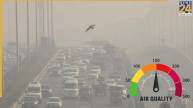

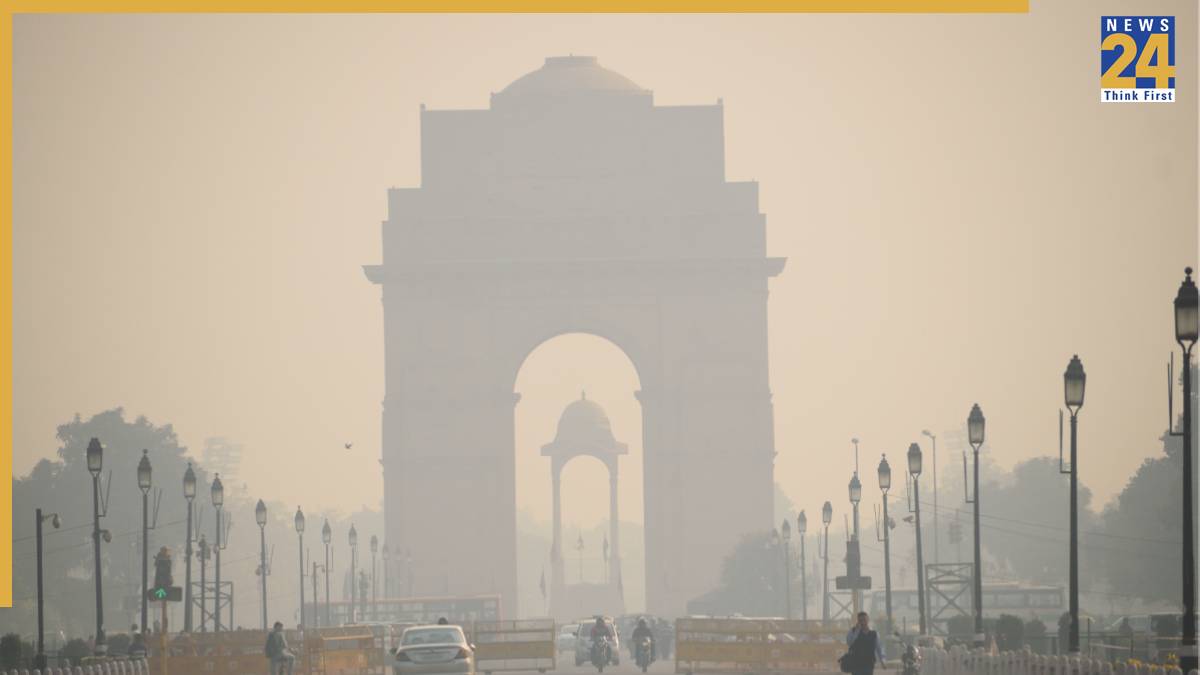


Data from the Central Pollution Control Board (CPCB) shows that Delhi’s 24-hour average Air Quality Index (AQI) jumped from 130 on October 1 to a staggering 428 by November 11, before sliding slightly to 327 on November 26—still in the ‘very poor’ category.
Farm Fires: A Seasonal Issue that Plagues Delhi
Stubble burning in Punjab and Haryana is often blamed for Delhi’s pollution crisis, but data from the Decision Support System under the Ministry of Earth Sciences paints a more complex picture.
In early October, farm fires had a minimal contribution to overall pollution. By October 17, their contribution rose to 2.62%, coinciding with the AQI crossing 250. The situation worsened in November.
As per CPCB, farm fires contributed 22.47% when AQI soared to 418. Between November 18-20, the contribution fluctuated between 5.4% and 2.8%, yet AQI stayed above 325. These numbers show that stubble burning is a major factor during peak smog days—but not the sole culprit.
Other Pollutants Contributing to Delhi’s Problems
Data from the DSS reveal other significant contributors to overall pollution. Cities surrounding the capital—including Gautam Budh Nagar, Gurgaon, Karnal, Meerut, and others—contribute 29.5% to Delhi’s toxic air. Transport contributes 19.7%, residential emissions 4.8%, peripheral industries 3.7%, and construction dust 2.9%.
Alarmingly, 34.8% of the pollution comes from unknown sources. Pollution cannot be effectively controlled unless these sources are identified.
Delhi’s AQI Snapshot: Far Above Safe Zones
On November 26, AQI readings across Delhi were still dangerously high:
- Rohini: 368
- Jahangirpuri: 365
- Wazirpur: 369
Even relatively cleaner areas like Dilshad Garden (259) and Mandir Marg (231) were far above safe limits.
Delhi’s toxic air is not just about farm fires—it results from a complex mix of regional pollution, vehicular emissions, industrial activity, and unknown factors. Without a coordinated strategy across states and sectors, the capital continues to choke.