

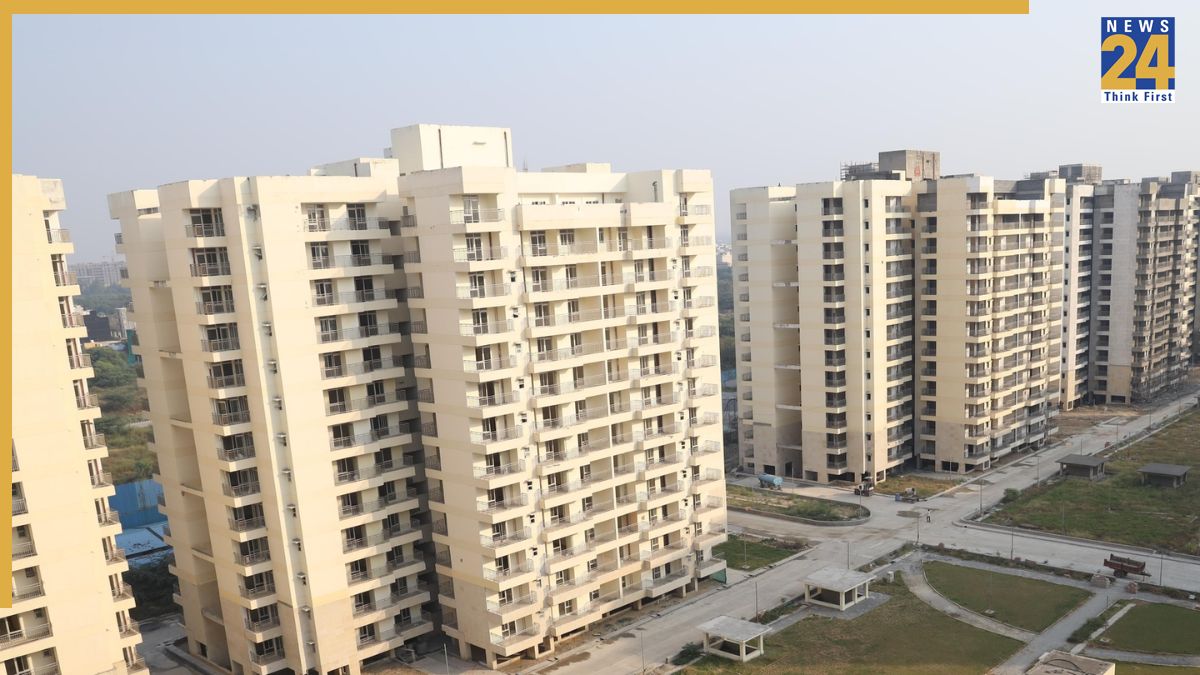


The Delhi Development Authority (DDA) runs one of the biggest government-backed housing programmes in the country, popularly known as the DDA Housing Scheme. Its main aim is to provide affordable homes to people living in Delhi, especially middle-class families, economically weaker sections (EWS) and lower-income households.
Under this scheme, DDA develops flats across different categories: HIG, MIG, LIG, EWS and Janta flats, in various parts of the city. Once the flats are ready, they are offered to the public through online applications and allotments. The idea is simple: build quality housing at reasonable prices and offer Delhi residents a fair chance at home ownership.
Most DDA flats come with essential facilities such as water supply, electricity, parking, parks and basic infrastructure. Popular locations often include Narela, Rohini, Dwarka, Jasola, Vasant Kunj and other upcoming residential zones.
How the scheme works and who can apply
DDA usually announces its housing schemes once or twice a year. Interested buyers must apply online, pay a booking amount and wait for the allotment process, either through a draw of lots or a first-come, first-served system, depending on the scheme.
Anyone who is a permanent Indian resident, 18 years or older and does not own a full residential property in Delhi generally qualifies to apply. EWS applicants have additional income criteria, while HIG and MIG categories are open to wider income groups.
Recently, DDA has been introducing special schemes, for example, the Karmayogi Awaas Yojana for government employees, offering additional discounts or reserved units. These new initiatives aim to make housing more accessible while boosting development in areas like Narela and Dwarka.
The DDA Housing Scheme remains one of the most trusted routes for owning a home in Delhi, offering affordability, transparency and long-term security to thousands of families each year.