


India is gearing up to take on Pakistan on the global stage. Multi-party delegations will soon embark on foreign visits, carrying India’s message to the world: ‘Terrorism will not go unanswered. On Tuesday, Foreign Secretary Vikram Misri gave an important update to members of different political parties who are going to visit other countries. He explained the main issues they should talk about during their visits. Seven delegations will visit the United Arab Emirates, Liberia, Democratic Republic of Congo, Sierra Leone, Indonesia, Malaysia, Japan, Singapore, South Korea, Spain, Greece, Slovenia, Latvia and Russia. Who will the delegations meet? What key issues are expected to be raised on the global stage? What’s the plan? Here’s what we know about India’s mission.
What’s The Plan?
The main aim is to change how the world sees the issue- India wants to rewrite the narrative which other countries view on the Pahalgam attack and Operation Sindoor – India will tell that its not just as a fight between India and Pakistan, but as part of a bigger discussion on global terrorism and the double standards some countries show. According to the MPs, the centre is supposed to hand over evidence-filled dossiers detailing Pakistan’s role in cross-border terrorism and assaults within India. Sources say Indian embassies abroad will coordinate plans for the multi-delegation, deciding when, whom, and where to meet. They are expected to engage with foreign parliaments, UN agencies, policy think-tanks, diaspora leaders and international human rights bodies.
MPs are expected to show pictures of the funerals of terrorists killed in Operation Sindoor. These funerals were attended by Pakistan’s army, sources said. Regarding New Delhi’s decision to pause the Indus Waters Treaty, Members of Parliament were informed that India had already attempted to engage Pakistan in talks to amend the treaty in light of evolving challenges such as climate change, even before the Pahalgam attack. However, Pakistan declined to participate in the discussions.
Who All Are Part Of The Delegation?
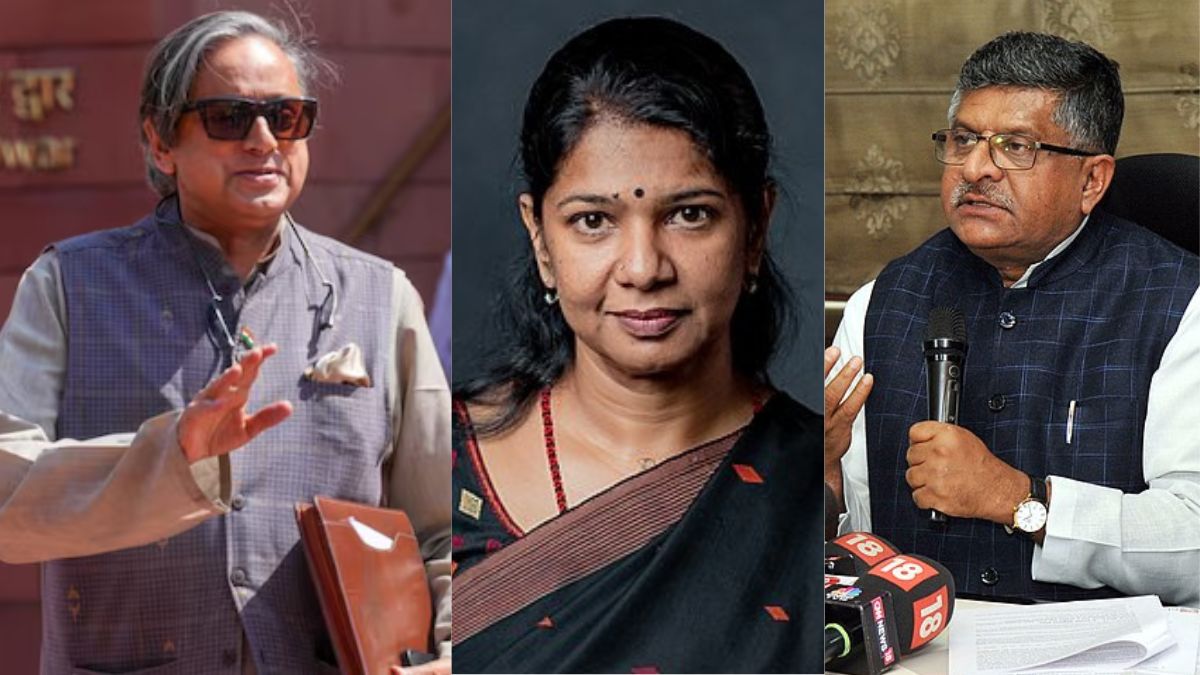
India announced that it will send seven delegations, comprising 59 members, across 32 nations to convey the country’s firm stance on terrorism. These members come from different political parties. The team has both young and experienced lawmakers. It also includes well-known leaders like Anand Sharma, Ghulam Nabi Azad, and V. Muraleedharan. Some retired diplomats are part of the team, too. Shashi Tharoor will be leading a delegation. He is a Congress MP from Thiruvananthapuram and was a diplomat. Senior Bharatiya Janata Party leader and former union minister, Ravi Shankar Prasad, will also lead a delegation of lawmakers to several European countries, including the UK and Italy, to talk about Operation Sindoor.
What Analysts Believe
In this context, analysts believe, a plural Indian voice carries far more weight than a government press statement or an official op-ed. The presence of Indian Muslims, Opposition MPs and regional leaders lends the initiative authenticity, particularly in the eyes of neutral observers or sceptical foreign governments. In European countries, foreign policy is often guided by liberal values. In the Gulf region, people are sensitive to anything that seems anti-Muslim. In these places, India’s diverse delegation acts in two ways. First, it protects India from being accused of favouring one religion over others. Second, it points out the double standards of countries that ignored cross-border terrorism when it benefited them.