

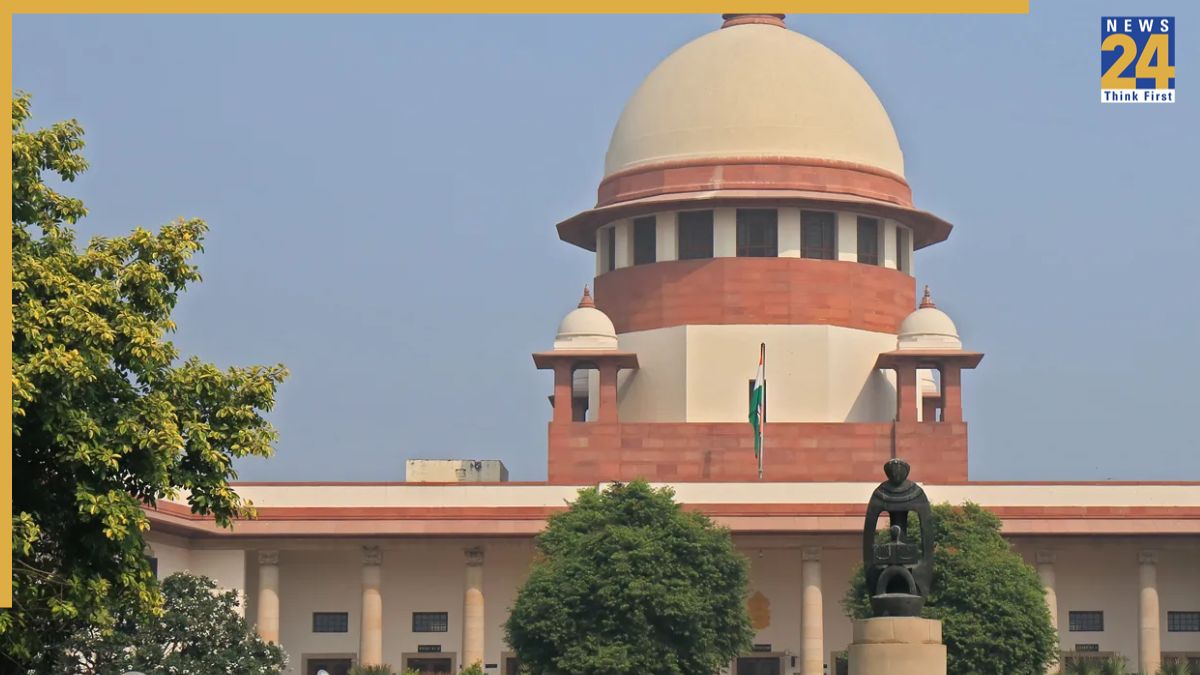


In a significant ruling, the Supreme Court on Friday held that lawyers cannot be summoned in criminal cases for questioning by investigating agencies. A bench comprising Chief Justice of India BR Gavai, Justice K Vinod Chandran and Justice NV Anjaria pronounced the decision in the suo motu case taken by the Court over the issue of investigating agencies arbitrarily summoning advocates representing accused.
The top court held that while lawyers are not immune from investigation, a distinction must be maintained between professional legal advice, which is protected, and instances where a lawyer may be involved in criminal conduct. According to the Live Law.in, The Court refrained from issuing any guidelines and ruled out the need for Magisterial supervision before the issuance of summons, it issued certain directions.
What the Top Court Said
According to a report by Hindustan Times, Justice Chandran clarified that no investigating agency shall seek details about a client from an advocate except in circumstances expressly permitted under Section 132 of the Bharatiya Sakshya Adhiniyam (BSA), which protects privileged legal communication.
The court clarified that the Section 132 protects confidential communications between an advocate and their client. It prevents disclosure without the client’s express consent. This privilege applies to all communications, content of documents, and advice given to a client in the course of professional service. The exception clause under this provision clarifies that the protection does not extend to communications made to further an illegal purpose or facts observed by the advocate that show a crime or fraud has been committed.
Suo Motu Case
The Supreme Court gave this judgment in a suo motu case it started on its own. The case began after lawyer groups like the Supreme Court Bar Association (SCBA) and the Supreme Court Advocates-on-Record Association (SCAoRA) complained. They said that investigating agencies, like the Enforcement Directorate (ED), were wrongly calling senior lawyers for questioning just because they gave legal advice to their clients. Senior lawyers Vikas Singh and Vipin Nair represented these lawyer groups in court.