
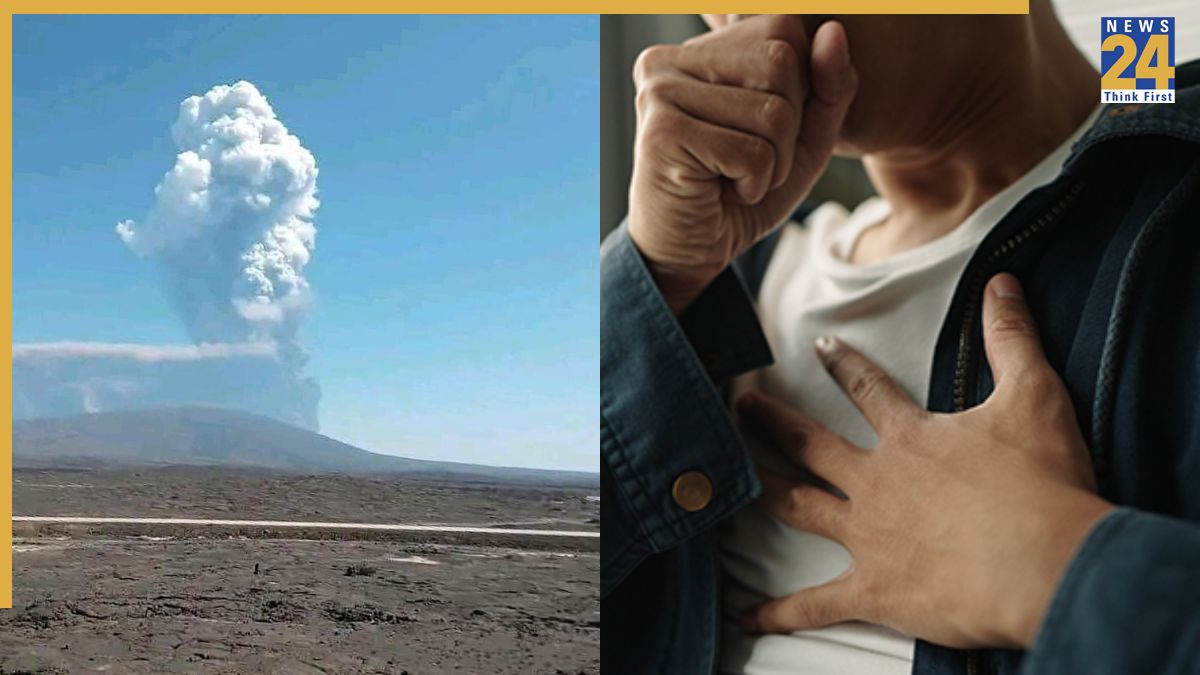


A viral Instagram reel has grabbed attention by linking the Ethiopian volcanic ash drifting over India with a rare, tongue-twisting lung disease: pneumonoultramicroscopicsilicovolcanoconiosis. As the ash plume passes over parts of the country, including North India, many viewers are now questioning whether this long and intimidating disease name poses a real threat. Experts, however, say the reality is far less alarming but precautions are still necessary.
What exactly is this 45-letter disease?
The 45-letter word is often cited as the longest word in the English language. It was coined in the 1930s as a technical-sounding term for a lung condition caused by inhaling extremely fine silica dust. Medically, it mirrors silicosis, a chronic disease typically found among workers exposed to years of silica dust in industries like mining or stone-cutting.
View this post on Instagram
For volcanic ash exposure, developing such a severe disease from short-term environmental contact is highly unlikely. Doctors emphasise that true cases of this condition require long-term, heavy exposure, not brief encounters with airborne ash drifting across regions. However, volcanic ash does contain microscopic particles that can irritate the respiratory system, especially for people with asthma, bronchitis, or existing lung problems.
What the ash cloud means for India and how you can stay safe
While the disease mentioned in the viral reel is not a realistic concern for the general public, the ash cloud can still affect health. Fine ash particles can worsen pollution levels, reduce visibility, cause throat irritation, trigger coughing and aggravate respiratory conditions.
To stay safe, experts advise: staying indoors, sealing entry points for ash, wearing an N95 mask outdoors, using protective eyewear, avoiding unnecessary travel and tracking official air-quality updates. These simple steps can significantly reduce your exposure and keep you protected.
In short, the viral video exaggerates the threat, but the ash cloud is still something to take seriously, with awareness, not fear.