



Parliament on Thursday passed a bill that seeks to increase the share of nuclear energy in the total energy mix of India, facilitate innovation in nuclear science and technology and provides statutory status to the Atomic Energy Regulatory Board.
Lok Sabha has already passed the bill
The Sustainable Harnessing and Advancement of Nuclear Energy for Transforming India Bill, 2025 (SHANTI Bill) was passed in the Rajya Sabha, a day after it was passed in Lok Sabha.
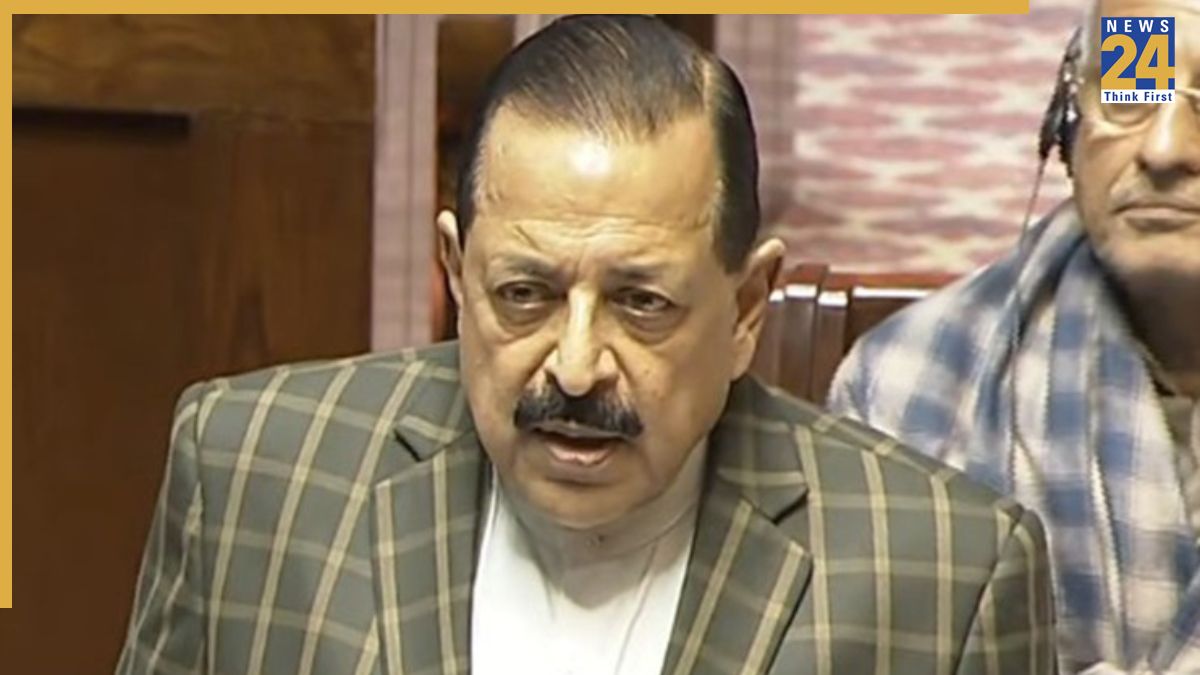
In his reply to the debate, Science and Technology Minister Jitendra Singh sought to allay the apprehensions of opposition members and said safety aspect has not been diluted.
The bill seeks to repeal the Atomic Energy Act, 1962 and the Civil Liability for Nuclear Damage Act, 2010.
New law to expand nuclear energy
Jitendra Singh said the new legislation is aligned to achieve the objectives of increasing the share of nuclear energy in the total energy mix of India, will facilitate innovation in atomic science and technology, expand its applications to non-power applications and continue to honour India’s obligations towards safety, security, safeguards and towards nuclear liability.
India has set an ambitious target to achieve energy independence with a roadmap for decarbonisation of the economy by 2070 and to achieve 100 Giga Watt of nuclear power capacity by 2047. The bill seeks to leverage the contribution of domestic nuclear energy to augment the global nuclear energy ecosystem.
Opposition seeks panel review of nuclear bill
Opposition members strongly demanded that the bill be referred to the standing or select committee, stating that it has wide-ranging implications and its impact will be felt for decades. They alleged that the government had diluted the liability clause and asked whether it was bringing the bill under any pressure. The amendments moved by the opposition members were negatived.
Jitendra Singh said that wide consultations were held before framing the bill.