
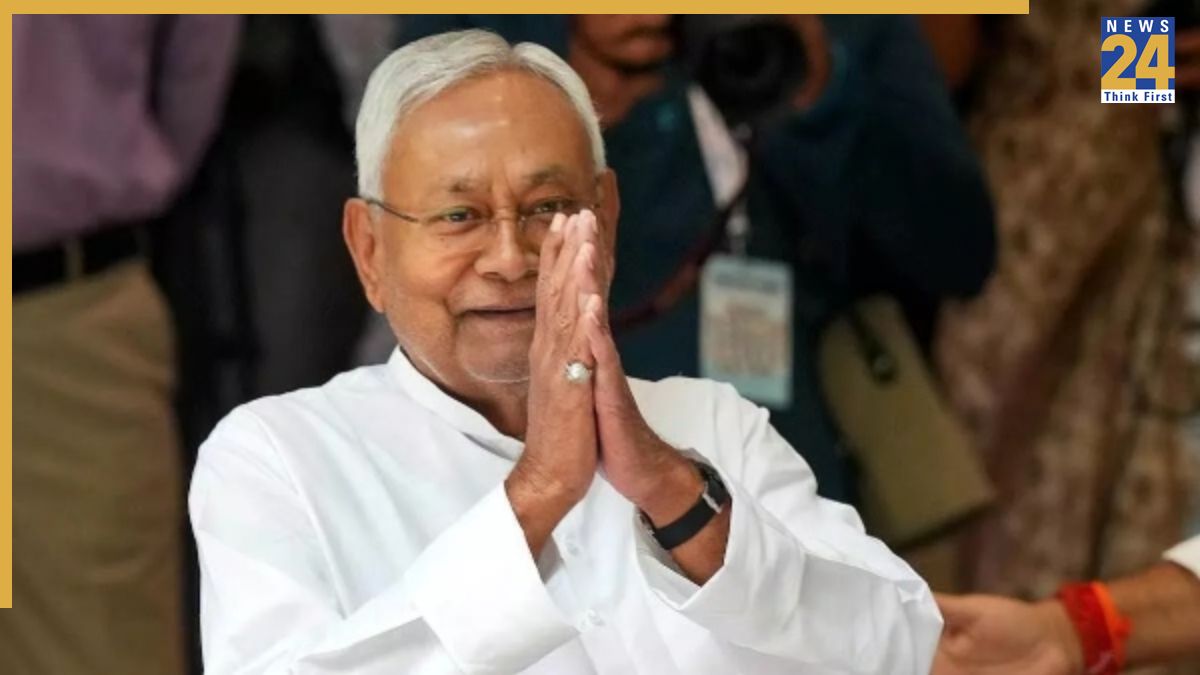


Nitish Kumar marks history today, as he takes oath as the Chief Minister of Bihar for the remarkable 10th time. This unprecedented political achievement underlines his long influence and staying power in Bihar’s politics. His comeback is drawing widespread attention, both because of his ability to navigate alliances and because people are once again curious about his background. As the state waits for him to step into office, many are asking: What makes Nitish tick? How educated is he and what does he actually make as the head of Bihar’s government?
From engineer to Bihar’s veteran leader
Nitish Kumar’s journey began in the classroom. He studied Electrical Engineering at the then-Bihar College of Engineering, which is now NIT Patna and graduated in the early 1970s. After college, he worked briefly at the Bihar State Electricity Board, gaining real technical experience before pivoting to a full-time political career.
This engineering foundation is often reflected in his leadership style. He’s known for taking a systems-based and logical approach to governance, whether it’s infrastructure planning, electricity supply or rural development. Many of his supporters believe his technical training gave him an edge when he began shaping policy and working on big development projects. Over time, his reputation as a leader with both educational strength and administrative skill has grown.
How much Nitish Kumar earns: His CM paycheck
As Bihar’s Chief Minister, Nitish Kumar’s official salary reportedly is Rs 2.15 lakh per month, which adds up to about Rs 25.8 lakh a year. This is the base salary, including allowances and standard pay for his top role.
But that’s not all. Alongside his salary, Nitish enjoys a suite of perks that come with being CM: a state-provided official residence, full security, staff support, a government vehicle and travel benefits. While these don’t strictly count as part of his ‘salary,’ they significantly boost his overall compensation.
Beyond his own pay, Nitish Kumar has shown a long-term commitment to improving wages and support for working-level government staff. Under his leadership, his government has doubled the honorariums for school support workers, such as cooks, night guards and physical education instructors, an indication that he cares about fair pay across the board.