

Rising COVID cases have been reported in many states in India now, and the severity of the new variant JN.1 is also not widely known. The COVID cases have been reported in the states of Kerala, Tamil Nadu, Maharashtra, Karnataka, and Delhi.
COVID-19 JN.1 Variant Detected Across Multiple States
According to reports, As of May 24, Maharashtra’s Thane has a total of 18 active cases, 273 in Kerala, Karnataka has 35 where 32 cases have been reported in Bengaluru alone and 23 cases have been registered in Delhi while Hyderabad and Noida have one case each.
Health Ministry on Alert
However, the official sources said the Union Health Ministry remains vigilant and, through its multiple agencies, is proactively monitoring the situation closely.
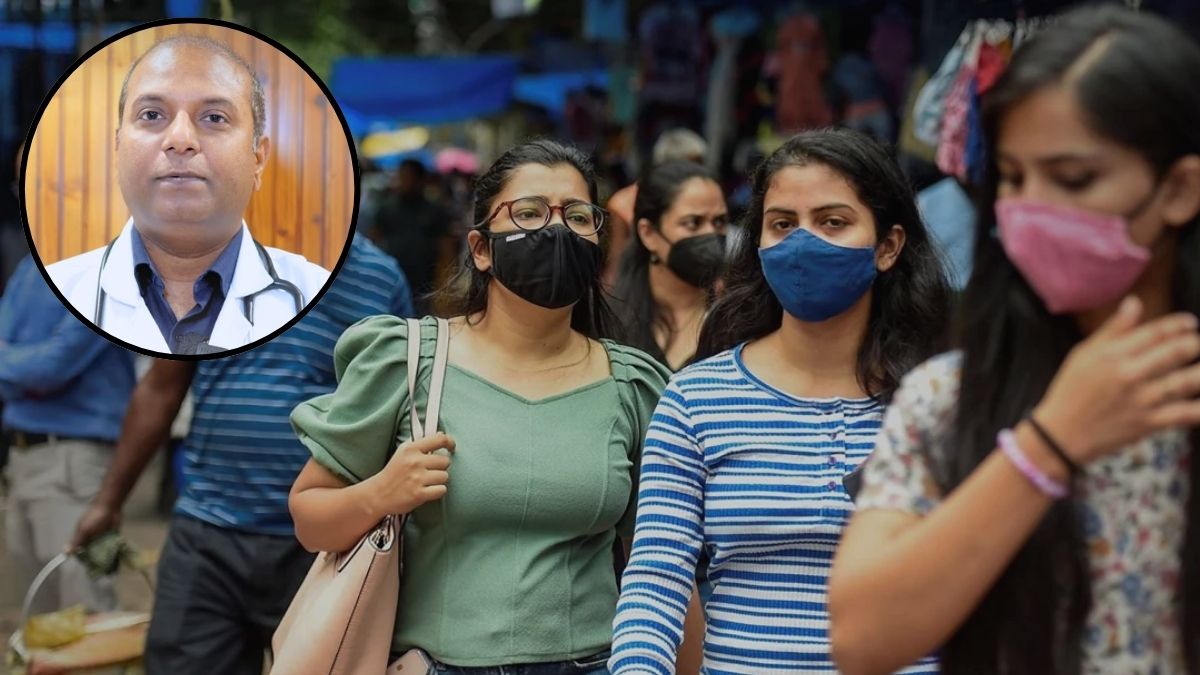
News 24 Speaks to Dr Gyan Bharti, Senior Consultant & Head of Pulmonology, Yashoda Super Speciality Hospital, Ghaziabad. Dr Bharti shares his expert insights on the emerging threat posed by the new Covid variant. In the conversation, he emphasises the importance of precautionary measures, particularly for individuals with weak immunity.
Here are the excerpts from the interview…
Q-What are the common symptoms of the JN.1 variant, and how do they differ from previous COVID-19 strains?
A-The JN.1 variant is a new form of the Omicron variant of COVID-19. Like Omicron, it spreads easily, but the JN.1 variant has an extra mutation in its spike protein. The spike protein is the part of the virus that helps it attach to and enter human cells. This change might affect how the virus spreads or how it reacts to the immune system. The common symptoms are Fever , Cough, Sore throat
Fatigue, Headache, Body or muscle aches. Mostly they are like the Covid-19 virus symptoms but in the milder form. The only difference is that gastrointestinal symptoms are more prevalent in JN.1
Q-How contagious is the JN.1 variant compared to earlier variants like Delta or Omicron, and should the public be more concerned?
A-The JN.1 variant appears to be more contagious than earlier variants like Delta or Omicron due to a specific mutation that allows it to spread more quickly. While it may infect more people in a shorter time, initial reports suggest that most infections linked to JN.1 remain mild, with severe cases being less common. This means that while the public should remain vigilant and follow public health guidelines, a heightened level of concern might not be warranted solely based on contagiousness.
Q-What are the most effective preventive measures individuals can take to protect themselves and their families from JN.1?
A-To effectively protect against JN.1, focus on basic preventative measures like masking in crowded places, practicing good hand hygiene, maintaining physical distance, staying home when unwell, and ensuring good indoor ventilation. These measures, coupled with regular testing when needed, help prevent the spread of the virus. Additionally, supporting your immune system through a healthy diet and lifestyle can strengthen your body’s ability to fight off infection.
Q-Is the current COVID-19 vaccination and booster coverage in India effective against the JN.1 variant?
A-While current COVID-19 vaccines, including boosters, likely offer some protection against the JN.1 variant, it’s crucial to understand that they may not be as effective as against earlier strains due to mutations in the virus’s spike protein. Fully vaccinated individuals, especially those with booster doses, are more likely to experience milder symptoms or hospitalization if infected with JN.1.
Q-What are the key public health precautions or guidelines that should be followed to reduce the societal spread of the JN.1 variant, especially in crowded or high-risk areas?
A-To mitigate the spread, the Ministry of Health recommends that high-risk groups, such as the elderly and immunocompromised, receive booster vaccinations. Additionally, the public is advised to practice standard precautions, including mask-wearing in crowded places, regular handwashing, and staying home when unwell.