

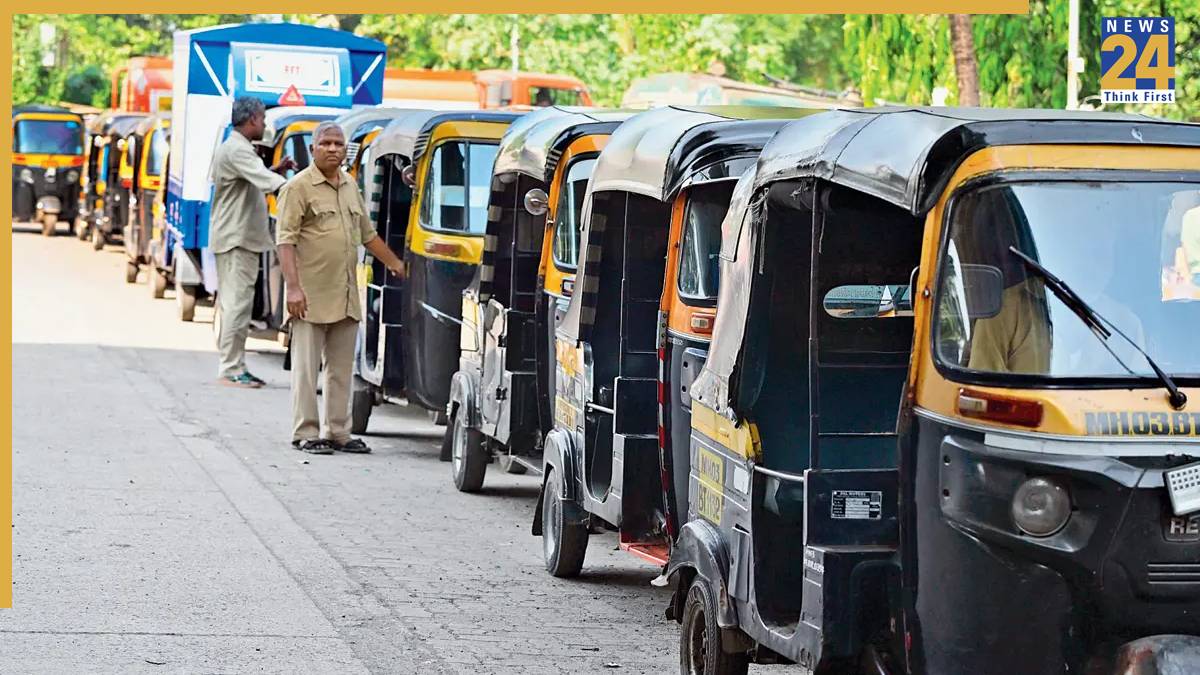


Taxis and cabs within Mumbai City and its close vicinity came to a halt as CNG pumps across Mumbai were unable to offer CNG refills to vehicles. Long queues extended ahead of the pumps for the second day straight on Tuesday, as supply disruptions caused by damage to a key gas pipeline continued to hamper the refuelling of the vehicles.
Manhar Gas Limited in a statement said that – “The rectification work is in progress and the restoration of gas supply is expected on Nov. 18, 2025, noon. The inconvenience caused is regretted.”
Mumbai is still struggling with gas supply two days after the MGL pipeline damage.
— Setu (@setusavla) November 18, 2025
Long queues at pumps show how fragile the city’s energy network can be.
Even with some improvement, full normalcy may take time as repairs and pressure balancing continue. pic.twitter.com/xgupMWpdzX
However, the CNG crisis continued till 3 p.m. As per the recent update, MGL’s total 389 CNG stations, only 225 CNG stations are operating. Gas supplies across MGL’s network will be normalized once the damage is rectified and the supply is restored to CGS Wadala.
Long Queues at CNG Pumps
Most CNG pumps, including those operated by Mahanagar Gas Limited, witnessed long queues from early morning. Vehicles heavily dependent on refueling such as taxis and cabs were seen struggling in front of the CNG stations. Several drivers told PTI their ordeal and said that they had been waiting for a refuel for more than three to four hours, compared to the usual waiting period of 15 to 20 minutes.
Out of 150 pumps that operate within the centre of the city, many remained non-functional since Monday morning due to low gas pressure, according to the Petrol Dealers Association.
A PTI report suggests that several cabs turned to petrol from CNG to operate, while most of the black-and-yellow taxis struggled and had to halt operations. CNG buses that operate within the city were halted as well; however, the officials maintained that the operations were unaffected.
MGL told PTI that it had prioritized supply to residential concerns and advised industrial and commercial users to shift to alternate fuels if possible. With Inputs from PTI