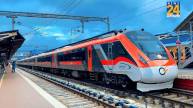

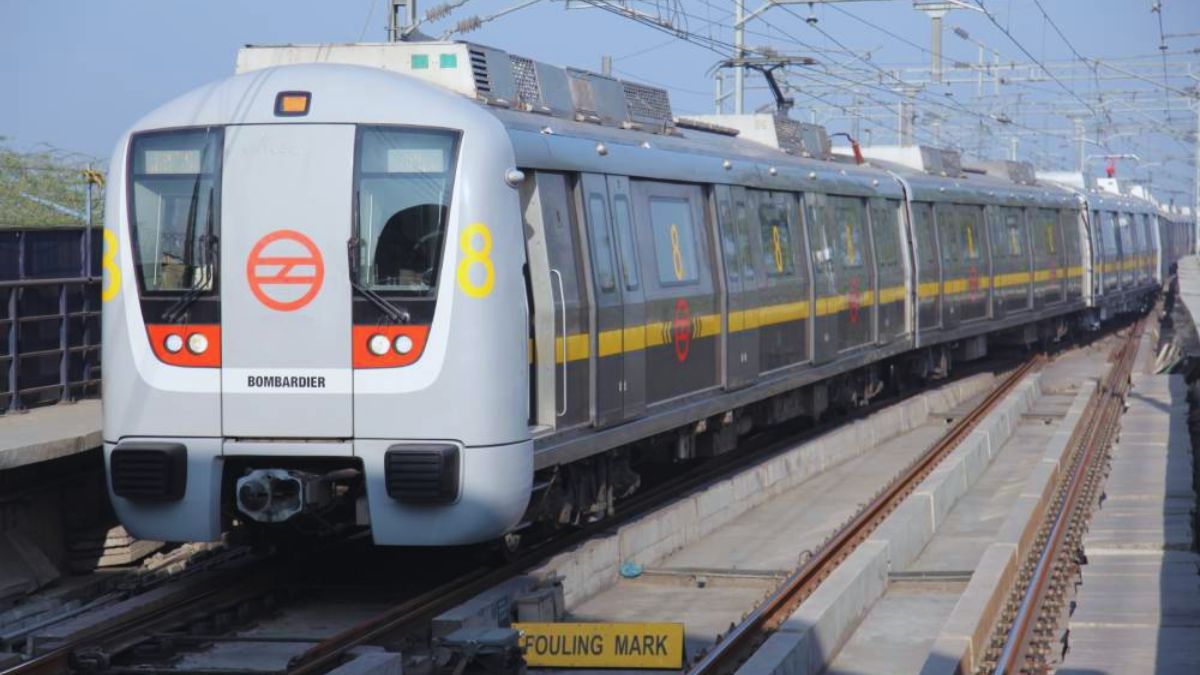


Tokhan Sahu, Minister of State for Housing and Urban Affairs, has approved the proposal to extend the Yellow Line of the Delhi Metro from Samaypur Badli to Sonipat. The Delhi Metro Rail Corporation (DMRC) is expected to commence work on the Detailed Project Report (DPR) shortly, an important next step in expanding the metro network in Delhi.
Sonipat is becoming a leading real estate hub on the northern edges of Delhi, as it has a rapidly developing industrial ecosystem and improving infrastructure, transforming the area from tier-2 to a preferred hub for investments and businesses. Moreover, recent enhancements to connectivity of expressways, such as the Kundli-Manesar-Palwal (KMP) Expressway, the proposed Rapid Rail Transit System (RRTS), and enhanced metro connectivity to Sonipat, have increased Sonipat’s attractiveness.
Delhi Metro Yellow Line: Route And Stations
The currently operational Yellow Line of Delhi Metro is a span of 47.2 km, connecting Samaypur Badli and Millennium City Centre in Gurugram; it has 37 stations and a total of 8 interchange stations with other metro services, improving connectivity across the National Capital Region.
New Metro Corridor: 21 Stations, 26.5 Km Route
A new metro corridor currently under construction will consist of 21 stations along a 26.5 km corridor starting from Rithala, passing through key localities including Rohini Bawana, and Narela, concluding at Nathupur. The new line will also have stations at Rithala, Rohini Sector 25, 26, and 31 among others, and will end at Nathupur.
Commenting on the city’s evolving landscape, Madhur Gupta, CEO of Hero Realty Pvt Ltd said, “Strategically located Sonipat with its excellent infrastructure is quickly emerging as a real estate powerhouse in the NCR region. The KMP Expressway and the upcoming Delhi-Mumbai Industrial Corridor, apart from Sonipat’s status as a major education hub in North India, are further driving its growth. The upcoming Rapid Rail Transit System will enhance connectivity, solidifying Sonipat’s position as a key player in the NCR real estate landscape.”
Yashank Wason, Managing Director, Royal Green Realty said, “Tier-2 cities such as Sonipat have seen the rise of an organized real estate market, leading to remarkable growth and development prospects for the city. In this changing environment, alongside the growing trend of remote work, Sonipat presents an appealing combination of affordability and quality of life.”
Commenting on the evolving market dynamics, Mohit Malhotra, Founder & CEO of NeoLiv, remarked, “NeoLiv embraces a forward-looking ethos, where innovation and opportunity intersect. We envision that new-age cities like Sonipat will become the crucibles of future economic dynamism. Their appeal lies in a harmonious mix of affordability, accessibility, and lifestyle amenities, offering new relaxed havens of living. As living preferences evolve and government initiatives take root, these cities are uniquely positioned to reshape the real estate narrative, attracting investors, homeowners, and businesses alike.”
Sonipat is enjoying the attraction of lower property prices and a more affordable cost of living, placing it an attractive place for affordable housing and commercial space development for middle-income brackets. Recent infrastructure upgrades, including smart industrial parks and logistics hubs planned as part of the Delhi-Mumbai Industrial Corridor (DMIC), are attracting significant investments.