

(Reported By Vinod Jagdale)
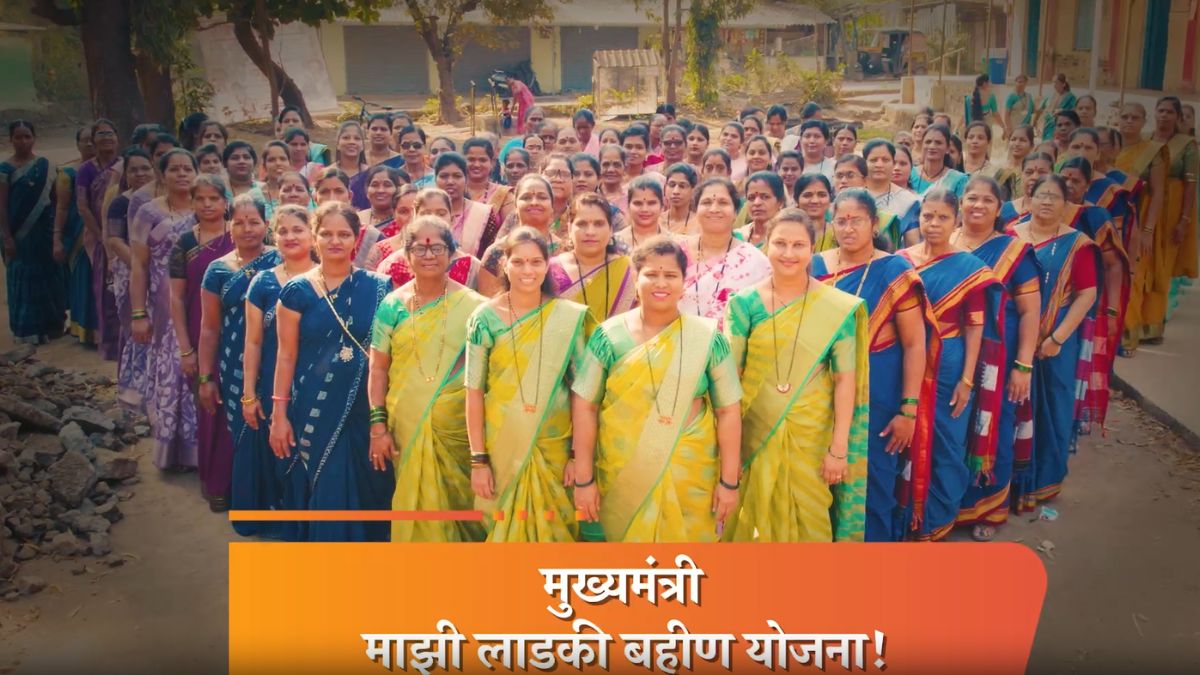
The Maharashtra government has once again been criticised after diverting a total sum of ₹335.70 crore from the Tribal Development Department’s budget. This substantial amount has been transferred to the Women and Child Welfare Department to facilitate the May installment of the ‘Mukhyamantri Meri Ladli Bahan’ scheme. Under this prevalent scheme, eligible women get a financial aid of ₹1500 every month. The official government resolution (GR) confirmed that this payment was issued on Friday, creating a stir among various social and political circles.
This is officially the second time in a row where such an instance has been happening of a large-scale diversion. Just last month, in April, a similar amount of ₹335.70 crore was similarly drawn off from the tribal welfare funds for the same scheme. While the ‘Ladli Bahan’ scheme targets to empower women by giving them direct financial aid, the back to back funding from a budget specially allocated for the upliftment of tribal communities is raising crucial concerns about the state’s priorities and the long-term influence on tribal development initiatives.
For the fiscal year 2025-26, the state budget had a portion of a total of ₹21,495 crore for Scheduled Tribes. Of this, the Tribal Development Department was specifically given ₹3,420 crore. The recent withdrawal of a notable portion from this allotted fund for the ‘Ladli Bahan’ scheme has scared people that crucial projects and welfare programs intended for the tribal population might get into trouble, leading to a potential setback in their progress.
The situation has not gone unnoticed within the government itself. Sanjay Shirsat, the Minister for Social Justice, has publicly shown his disapproval of the fund diversion. However, Ashok Uike, the Minister for Tribal Development, has quietly chosen to remain silent on the issue, despite his department being directly affected by the transfers.
Growing Demands for Legal Protection of Tribal Funds
The continuous diversion of funds has given rise to long-standing demands for the enactment of a specific law in Maharashtra to safeguard funds allocated for Scheduled Castes and Tribes. Inspired by similar legislation in states like Telangana and Karnataka, social activists and community leaders are vociferously advocating for such a legal framework. They argue that in the absence of a robust legal protection, schemes and budgets specifically designed for the betterment of marginalized communities will continue to be vulnerable to diversions, thereby hindering their development and perpetuating their disadvantages.