



Reported by – Aasif Suhaf
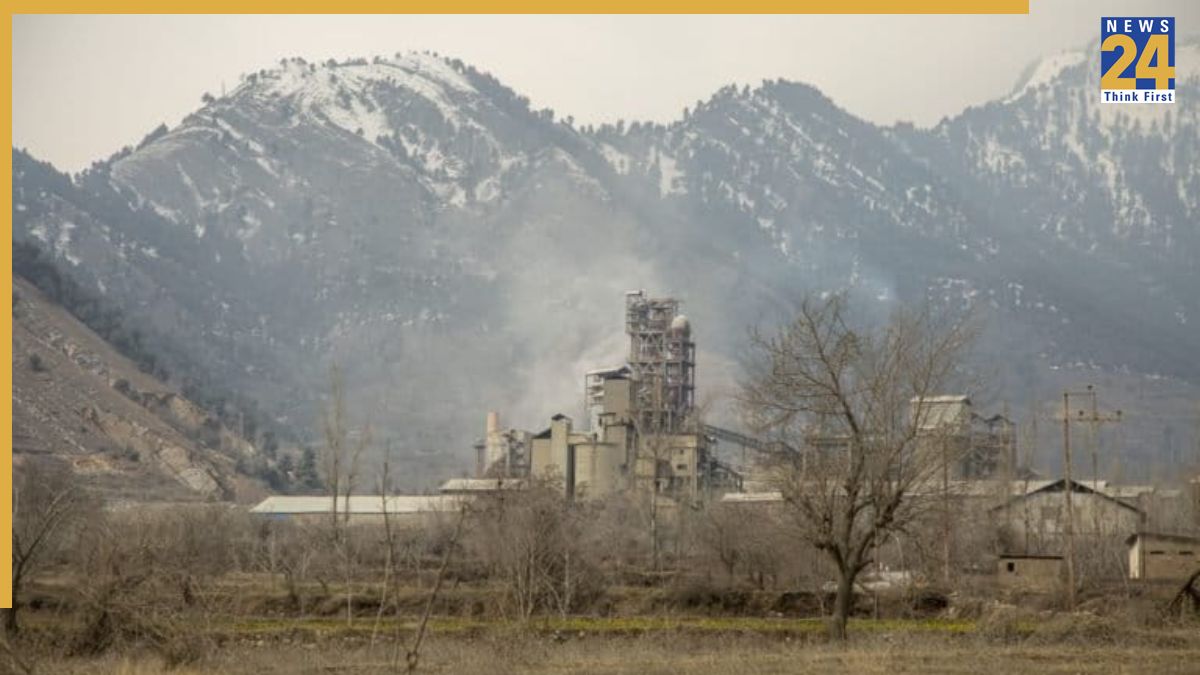
Kashmir’s famed mountain air has turned dangerously polluted this week, with the Valley’s Air Quality Index plunging into the ‘Severe’ category. Data from AQI.in recorded alarming pollution levels, with some parts of Jammu and Kashmir touching an AQI of 288 and Srinagar’s readings fluctuating between 147 (‘Poor’) and 172 (‘Unhealthy’) over the last 24 hours.
Pollution levels of PM10 and PM2.5 have surged well beyond the World Health Organization’s safe limits, with PM10 ranging from 136 to 243 micrograms per cubic metre and PM2.5 between 86 and 167 micrograms per cubic metre. Environmental researchers attribute the hazardous air quality to a combination of stagnant cold air, vehicle emissions, open burning and widespread use of firewood for heating, turning the Valley into what many call a ‘pollution bowl.’
Residents of Srinagar report burning sensations in their eyes and breathing difficulties, particularly during mornings and evenings. Javed ahmad of Srinagar said, ‘The air feels dusty and burns the eyes when we step out. You can even smell smoke in the breeze.’ Another resident, Gulzar Ahmad, added that his younger brother’s coughing has worsened this winter, reflecting the suffocating conditions.
Meteorological factors are worsening the scenario. Persistently cold temperatures near minus 4°C, accompanied by calm surface winds, trap pollutants near the ground. Independent weather forecaster Faizan Arif Keng explained that this ‘cold, dense air’ forms a stagnation layer, preventing pollutants from dispersing. Weak Western Disturbances have failed to bring cleansing rainfall or snowfall, prolonging the poor air quality.
The severe pollution is not isolated to Kashmir; Delhi has also reported ‘Very Poor’ air quality with an average AQI near 310, highlighting that hazardous air pollution is no longer only an urban issue.
Health officials are witnessing a surge in winter-related respiratory illnesses such as common cold, cough, fever and throat irritation. Doctors estimate more than 10% of daily outpatient visits relate to these seasonal ailments, which are aggravated by dry, cold conditions and increased indoor confinement. Dr Zahoor Ahmad Mir of south Kashmir’s district hospital noted that dry air causes viruses to survive longer and weakens nasal defences, leading to a constant influx of cold and flu patients.
Special attention is urged for vulnerable groups including infants, the elderly, pregnant women and those with chronic diseases. Doctors advise simple preventive steps such as ventilating homes properly, limiting use of smoke-emitting heating devices, wearing masks indoors and consulting doctors for flu vaccinations.
With the cold, dry spell expected to continue, authorities warn the public to remain cautious amid rising infections and persistent hazardous air quality. Medical experts emphasise that these winter pollution spikes and respiratory issues will likely worsen if weather conditions stay unchanged.